
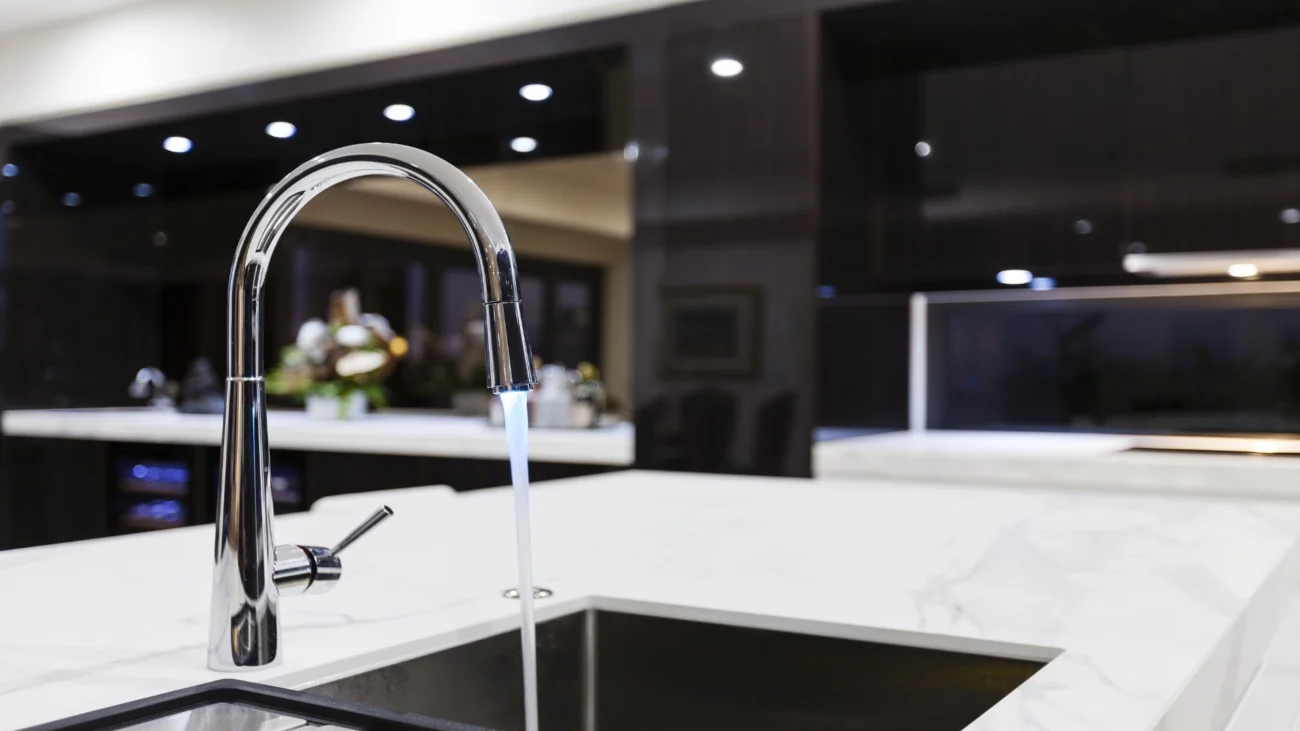
The kitchen is the heart of any home, a bustling hub where meals are prepared, family gatherings occur, and creativity is unleashed. Central to the functionality of this space is the plumbing system, which, when optimized, can significantly enhance the efficiency and sustainability of your kitchen. This article outlines practical steps to optimize your kitchen plumbing, reduce water waste, and ensure seamless operation, all while saving on costs and contributing to environmental conservation.
Assess Your Current Plumbing System
Before making any changes, it’s crucial to understand your existing plumbing setup. Start with a comprehensive assessment to identify any leaks, outdated fixtures, or inefficient layouts. Pay attention to the following:
- Leaks: Check under sinks, around the dishwasher, and near the refrigerator. Even minor leaks can result in significant water wastage and higher utility bills.
- Water Pressure: Monitor the water pressure to ensure it’s neither too high nor too low. High pressure can damage pipes and fixtures, while low pressure can reduce the effectiveness of kitchen appliances.
- Pipe Material: Old galvanized pipes may need replacement with more durable and reliable materials like copper or PEX.
Upgrade to Efficient Fixtures
Modern plumbing fixtures are designed with conservation and efficiency in mind. Consider upgrading to:
- Low-flow Faucets: These reduce water consumption without sacrificing performance. Look for models with aerators to maintain water pressure while using less water.
- Efficient Dishwashers: Newer models use less water and energy, significantly cutting down on utility costs over time.
- Smart Faucets: With touchless operation and precise temperature control, smart faucets can further reduce water waste and enhance convenience.
Optimize the Plumbing Layout
An efficient kitchen plumbing layout minimizes the distance water travels between the water heater and fixtures, reducing heat loss and improving water delivery speed. Consider:
- Strategic Appliance Placement: Position the sink, dishwasher, and refrigerator close together to streamline the plumbing layout. This arrangement not only optimizes water flow but also enhances the kitchen’s work triangle.
- Pipe Insulation: Insulate hot water pipes to prevent heat loss, ensuring water remains hot when it reaches the faucet or appliance.
- Direct Line Plumbing: Use direct routes for plumbing connections whenever possible to increase efficiency and minimize potential issues.
Maintain Your Plumbing System Regularly
Regular maintenance is key to preventing plumbing issues and ensuring long-term efficiency. Implement the following:
- Routine Inspections: Schedule periodic checks for leaks, corrosion, and other signs of wear and tear.
- Drain Cleaning: Prevent clogs by regularly cleaning drains and using strainers to catch food particles and debris.
- Water Heater Maintenance: Flush your water heater annually to remove sediment buildup, which can affect efficiency and lifespan.
Implement Water-Saving Practices
Beyond hardware upgrades, adopting water-saving habits can make a significant difference. Encourage household members to:
- Run Full Loads: Only run the dishwasher with full loads to maximize water use.
- Use a Basin for Rinsing: When washing produce or dishes by hand, use a basin instead of running water continuously.
- Fix Leaks Promptly: Address any leaks immediately to prevent water loss and potential water damage.
Consider Water Filtration Systems
Installing a water filtration system can enhance water quality and protect your plumbing system from mineral buildup. Options include:
- Under-Sink Filters: These systems provide filtered water directly from your kitchen faucet, improving taste and reducing contaminants.
- Whole-House Filters: For comprehensive water treatment, consider a whole-house filtration system to protect all water-using appliances.
Explore Renewable Energy Options
Integrating renewable energy solutions can further boost your kitchen’s plumbing efficiency. Consider installing:
- Solar Water Heaters: These systems use solar panels to heat water, reducing reliance on traditional energy sources and lowering utility bills.
- Heat Pump Water Heaters: These appliances are highly energy-efficient, transferring heat from the air to heat water, and significantly reducing electricity use.
Conclusion
Optimizing your kitchen plumbing for maximum efficiency is an investment in both your home’s functionality and sustainability. By assessing your current system, upgrading fixtures, refining your plumbing layout, and adopting water-saving practices, you can create a kitchen that is not only efficient and cost-effective but also environmentally friendly. Regular maintenance and the integration of modern technology further ensure that your kitchen remains a space of convenience and creativity for years to come.
