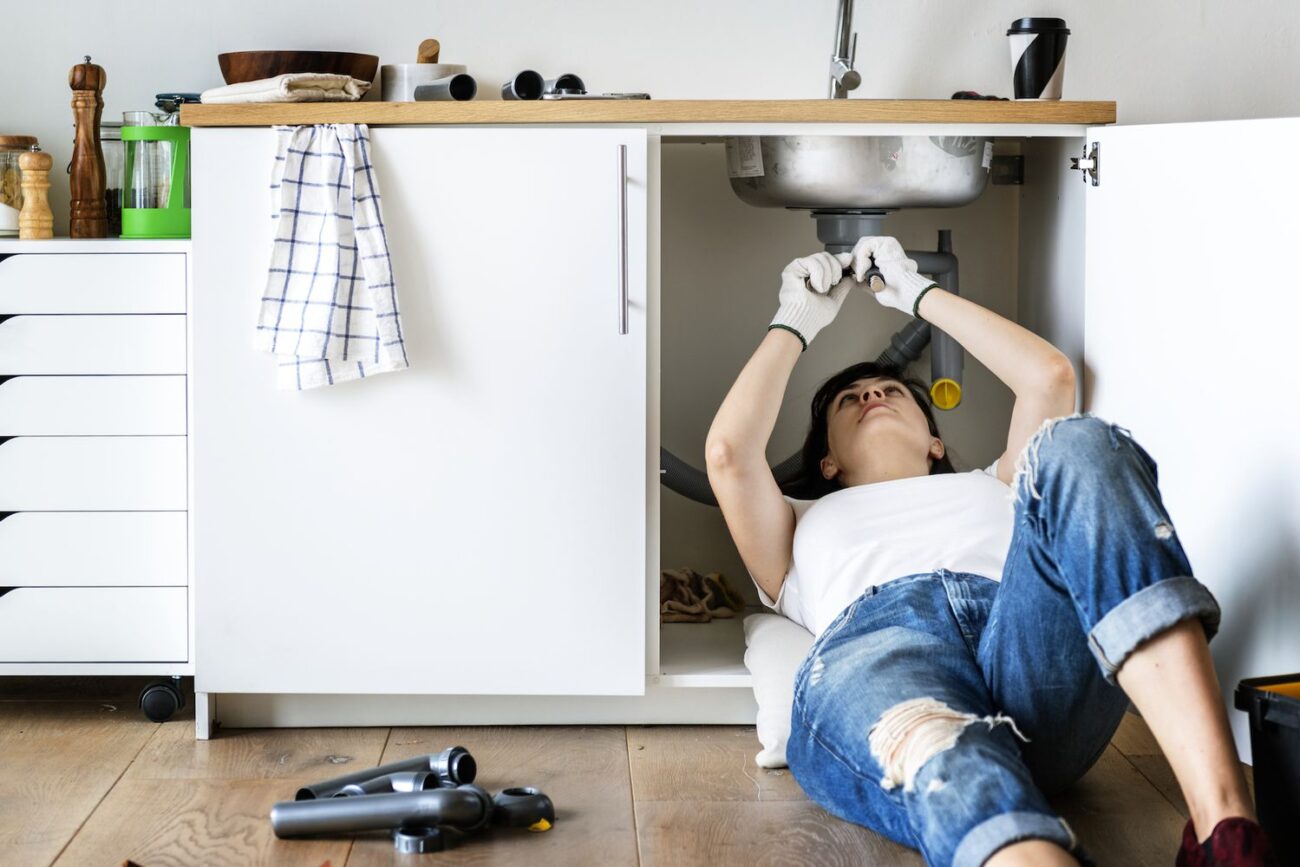
For many homeowners, plumbing problems can be a source of stress, often leading to expensive repair bills and inconvenient disruptions to daily life. However, understanding some essential DIY plumbing repairs can empower homeowners to tackle minor issues independently, potentially saving money and time. This article provides a comprehensive guide to essential DIY plumbing repairs, equipping you with the knowledge and confidence to handle common plumbing problems.
Understanding Your Plumbing System
Before diving into specific repairs, it’s crucial to have a basic understanding of your home’s plumbing system. Typically, a residential plumbing system consists of two subsystems: the water supply system and the drainage system. The water supply system brings fresh water into the home, while the drainage system removes wastewater. Understanding these systems helps in diagnosing issues and performing effective repairs.
Tools Every Homeowner Should Have
Having the right tools on hand can make all the difference when performing plumbing repairs. Here’s a list of essential tools every homeowner should consider:
– **Adjustable Wrench:** A versatile tool for loosening or tightening nuts and bolts.
– **Pipe Wrench:** Ideal for gripping and turning pipes.
– **Plunger:** An essential tool for unclogging toilets and drains.
– **Plumber’s Tape (Teflon Tape):** Used for sealing pipe threads to prevent leaks.
– **Basin Wrench:** Specifically designed for reaching into tight spaces, such as under sinks.
– **Plumber’s Putty:** Useful for sealing joints and preventing leaks.
– **Hacksaw:** For cutting through metal or plastic pipes.
– **Drain Snake (Auger):** Helpful for clearing stubborn clogs in drains.
– **Bucket and Towels:** Essential for catching water and cleaning up spills.
Repairing a Leaky Faucet
A leaky faucet is one of the most common plumbing issues homeowners face. Not only is it annoying, but it can also waste a significant amount of water. Here’s a step-by-step guide to fixing a leaky faucet:
Identify the Type of Faucet
Before you start, identify the type of faucet you have: compression, cartridge, ball, or ceramic disk. This will determine the repair method.
Turn Off the Water Supply
Locate the shut-off valves under the sink and turn them clockwise to stop the water. If you can’t find these valves, turn off the main water supply to the house.
Disassemble the Faucet
Remove the handle by loosening the set screw. Use a screwdriver to remove the screw and then lift off the handle. This will expose the inner parts of the faucet.
Inspect and Replace O-Rings and Washers
In compression faucets, worn-out washers or O-rings are often the culprits. Inspect these parts and replace them if necessary. For other types of faucets, refer to the manufacturer’s instructions for specific parts that might need replacement.
Reassemble the Faucet
Once you’ve replaced the faulty parts, reassemble the faucet by reversing the disassembly steps. Turn the water supply back on and check for leaks.
Unclogging Drains
Clogged drains are another frequent issue, often caused by a buildup of hair, soap, grease, or food particles. Here’s how to tackle them:
Use a Plunger
For sinks, partially fill them with water, then use a plunger to create suction and dislodge the clog. For toilets, ensure there’s enough water in the bowl to cover the plunger.
Try a Drain Snake
If a plunger doesn’t work, use a drain snake. Insert the snake into the drain and turn the handle to push through the clog.
Baking Soda and Vinegar
For a natural solution, pour a cup of baking soda followed by a cup of vinegar into the drain. Let it sit for about 15 minutes, then flush with hot water.
Check the Trap
Under sinks, the P-trap can accumulate debris. Place a bucket underneath, unscrew the trap, and clean it out.
Fixing a Running Toilet
A running toilet can waste gallons of water, but it’s typically easy to fix:
Check the Flapper
Remove the tank lid and see if the flapper is sealing properly. Replace it if it’s worn or damaged.
Adjust the Float
The float controls the water level in the tank. If it’s set too high, water will overflow into the overflow tube. Adjust the float arm or the float itself to lower the water level.
Inspect the Fill Valve
If adjusting the float doesn’t stop the running, the fill valve may be faulty. Consider replacing it with a new one.
Repairing a Leaky Pipe
Leaky pipes can cause significant water damage if not addressed promptly. Here’s how to handle minor leaks:
Locate the Leak
Inspect the pipe for visible leaks or damp spots.
Turn Off the Water Supply
Shut off the water supply to the affected area to prevent further leakage.
Patch the Leak
For small leaks, apply plumber’s tape or a pipe repair clamp. For a temporary fix, you can use epoxy putty to seal the leak until a permanent repair can be made.
Replacing a Showerhead
Over time, showerheads can become clogged with mineral deposits or simply wear out. Here’s how to replace one:
Remove the Old Showerhead
Unscrew the old showerhead using an adjustable wrench. If it’s stuck due to mineral deposits, apply some white vinegar to loosen it.
Clean the Threads
Clean the threads on the shower arm with a wire brush to remove any old plumber’s tape or debris.
Install the New Showerhead
Wrap new plumber’s tape around the threads and screw on the new showerhead by hand. Use a wrench for a snug fit, but avoid overtightening.
Maintaining Your Plumbing System
Regular maintenance can prevent many plumbing issues. Here are some tips:
– **Inspect Regularly:** Check for leaks, corrosion, and other signs of wear and tear.
– **Clean Drains:** Use a drain cleaner or natural methods to prevent clogs.
– **Winterize Pipes:** In colder climates, insulate pipes to prevent freezing.
Knowing When to Call a Professional
While DIY repairs can save money, knowing when to call a professional is equally important. Complex issues such as major leaks, sewer line problems, or issues with your water heater should be handled by a licensed plumber.
Conclusion
Basic plumbing repairs don’t have to be daunting. With a little knowledge and the right tools, homeowners can tackle common plumbing issues, maintaining the functionality and efficiency of their home’s plumbing system. Always remember, safety first—if a problem seems beyond your skill level, don’t hesitate to seek professional assistance. By taking a proactive approach to plumbing maintenance and repair, you can protect your home from water damage and ensure a reliable water supply for years to come.
