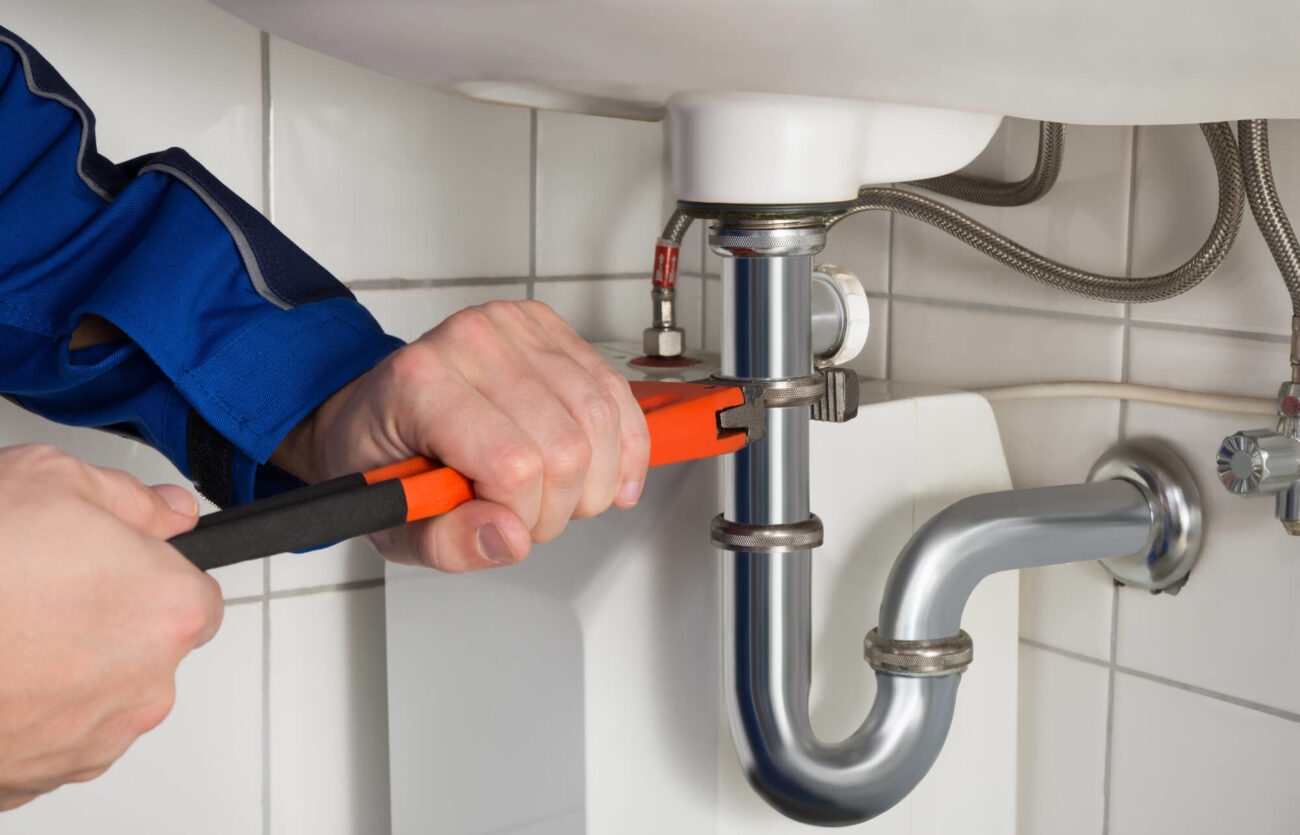
Plumbing leaks are one of the most common and frustrating issues homeowners face. They can lead to wasted water, increased bills, and potential water damage if not addressed promptly. Mastering the art of plumbing leak repairs is not just for professionals; with a bit of knowledge and preparation, anyone can tackle simple leaks. This article will unveil expert tips on how to effectively approach and manage plumbing leak repairs.
Understanding the Basics of Plumbing Leaks
Before diving into repairs, it’s essential to understand what causes plumbing leaks. Leaks can occur due to a variety of reasons, including:
- Corrosion: Over time, pipes can corrode, especially if they are made of metal. This corrosion can weaken the pipe walls and lead to leaks.
- High Water Pressure: Excessive water pressure can stress pipes, causing them to crack or burst.
- Temperature Fluctuations: Repeated cycles of freezing and thawing can cause pipes to expand and contract, leading to leaks.
- Worn-Out Seals: The seals around faucets, valves, and other plumbing fixtures can degrade over time, leading to leaks.
- Clogs: Blockages in pipes can create pressure build-up, prompting leaks.
Identifying the Source of the Leak
The first step in addressing a plumbing leak is identifying its source. Here’s how you can do it:
Visual Inspection
Begin with a thorough visual inspection. Look for visible signs of moisture, such as water stains, pooling water, or drips. Common areas to inspect include under sinks, around toilets, and near water heaters.
Listen for Drips
In a quiet environment, listen for the sound of dripping water. This can sometimes lead you directly to the source of the leak.
Check Your Water Meter
For hidden leaks, turn off all water fixtures and appliances. Then, check your water meter. If the meter continues to move, it indicates a leak somewhere in your plumbing system.
Use Dye Test
For toilet leaks, add a few drops of food coloring to the tank and wait 30 minutes without flushing. If the color appears in the bowl, there’s a leak.
Tools You Will Need
Having the right tools is crucial for effective plumbing repairs. Here’s a list of essential tools:
- Pipe Wrench
- Adjustable Pliers
- Plumber’s Tape (Teflon Tape)
- Pipe Cutters
- Sealant (Pipe Dope)
- Leak Repair Kit
- Bucket and Towels
Repair Techniques for Common Leaks
Let’s delve into specific techniques for repairing common types of plumbing leaks:
Leaking Faucets
Faucets are prone to leaks due to worn-out washers or seals. Here’s how to fix them:
1. **Turn Off Water Supply:** Before starting any repairs, ensure the water supply to the faucet is turned off.
2. **Disassemble the Faucet:** Use a wrench or pliers to remove the handle and access the valve.
3. **Replace Washers or Seals:** Inspect washers or O-rings for wear and replace them if necessary. Apply plumber’s tape to threads before reassembling to ensure a tight fit.
4. **Reassemble and Test:** Put the faucet back together and turn the water supply back on to test for leaks.
Leaking Pipes
Pipe leaks can occur at joints or due to cracks. Here’s a step-by-step guide:
1. **Turn Off Water Supply:** Shut off the water supply to the affected pipe.
2. **Dry the Area:** Use towels to dry the leaking area thoroughly to ensure the sealant adheres properly.
3. **Apply Pipe Repair Clamp or Tape:** For minor leaks, use a pipe repair clamp or leak tape. Wrap it tightly around the leak to seal it.
4. **Replace Damaged Section:** For significant leaks, cut out the damaged pipe section using a pipe cutter and replace it with a new segment, ensuring tight connections.
Leaking Toilets
Toilet leaks often occur at the base or in the tank. Here’s how to address them:
1. **Check the Flapper:** A faulty flapper can cause continuous water flow into the bowl. Replace it if worn out.
2. **Inspect Base for Leaks:** If water is pooling around the toilet base, the wax ring may need replacing. Remove the toilet, replace the wax ring, and reseat the toilet.
3. **Tighten Connections:** Ensure all connections between the tank and bowl are tight and secure.
Preventive Measures
Prevention is key to avoiding future plumbing leaks. Consider these measures:
- Regular Inspections: Conduct regular checks of your plumbing system to catch potential issues early.
- Maintain Water Pressure: Install a pressure-reducing valve to keep water pressure at a safe level.
- Insulate Pipes: Insulate pipes in unheated areas to prevent freezing and expansion.
- Replace Old Pipes: Consider upgrading old piping materials to more durable options like PEX or copper.
When to Call a Professional
While many plumbing leaks can be addressed with DIY methods, there are instances where professional help is necessary:
- Persistent Leaks: If a leak persists despite multiple repair attempts, it’s time to call a plumber.
- Major Water Damage: Significant water damage may require professional restoration and plumbing services.
- Complex Systems: For complex plumbing systems, a professional can ensure repairs are done correctly and safely.
Conclusion
Mastering plumbing leak repairs is a valuable skill that can save you time, money, and stress. By understanding the causes of leaks, using the right tools, and following expert repair techniques, you can effectively manage most plumbing issues. Remember, preventive measures are crucial to minimizing future leaks, and don’t hesitate to seek professional help for complex problems. With these expert tips unveiled, you’re well-equipped to tackle plumbing leaks like a pro.
