
Dealing with toilet plumbing issues can be a daunting task for any homeowner. However, with a little bit of knowledge and the right tools, many toilet plumbing problems can be resolved without professional help. In this article, we will explore some top DIY tips for effective toilet plumbing repair, empowering you to tackle common issues with confidence.
Understanding Common Toilet Plumbing Problems
Before diving into repair tips, it’s crucial to understand some of the most common toilet plumbing problems. These issues can range from minor leaks to more significant blockages. Common problems include:
- Running Toilet: A constantly running toilet can waste a significant amount of water and increase your utility bills.
- Clogged Toilet: This is perhaps the most common issue. It can be caused by excessive toilet paper use or flushing inappropriate items.
- Leaking Toilet: A leaking toilet can lead to water damage and mold growth if not addressed promptly.
- Weak Flush: A weak or incomplete flush can be frustrating and may indicate an underlying problem with your toilet’s flushing mechanism.
Essential Tools for Toilet Plumbing Repair
Having the right tools on hand is essential for any DIY plumbing repair. Some basic tools you’ll need include:
- Plunger: A plunger is an essential tool for unclogging toilets. Choose a flange plunger for more effective results.
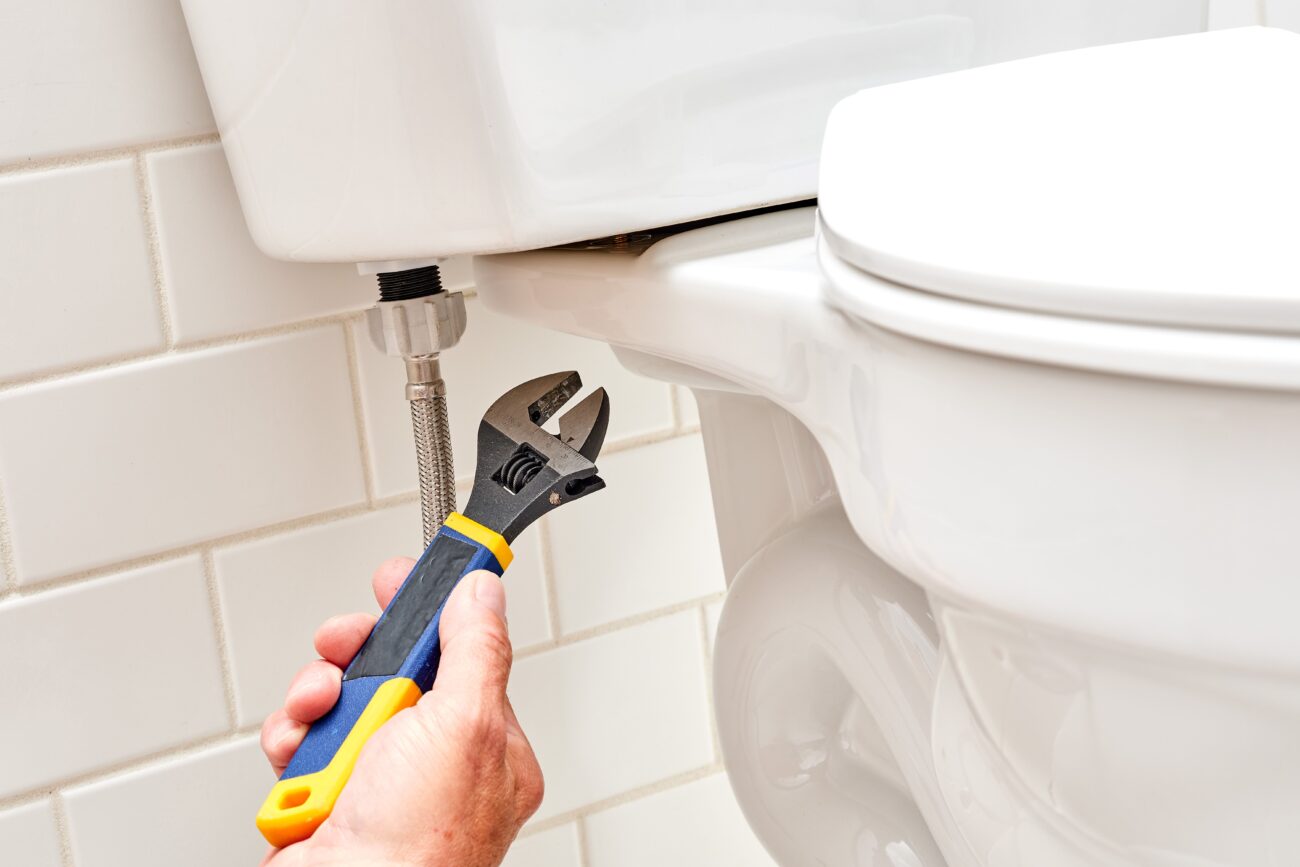
- Adjustable Wrench: Useful for tightening and loosening nuts and bolts.
- Screwdriver: Both flathead and Phillips screwdrivers may be needed for various tasks.
- Toilet Auger: This tool is specifically designed to clear toilet clogs that a plunger can’t handle.
- Replacement Parts: Having spare parts like flappers, fill valves, or wax rings can be beneficial.
DIY Tips for Fixing a Running Toilet
A running toilet is often caused by a faulty flapper or fill valve. Here’s how you can fix it:
Inspect and Replace the Flapper
The flapper is a rubber seal that controls the flow of water from the tank to the bowl. If it’s worn out or not sealing properly, it can cause the toilet to run continuously.
- Turn off the water supply to the toilet.
- Remove the tank lid and inspect the flapper. If it’s damaged or warped, replace it.
- To replace, disconnect the flapper from the flush lever and remove it from the overflow tube.
- Install the new flapper and reconnect it to the flush lever. Make sure it seals properly.
- Turn the water supply back on and test the toilet.
Adjust or Replace the Fill Valve
If the flapper is not the issue, the fill valve may need adjustment or replacement.
- Turn off the water supply and flush the toilet to empty the tank.
- Adjust the fill valve’s float arm to ensure the water level is about an inch below the overflow tube.
- If the valve is still not functioning properly, replace it with a new one.
- Install the new fill valve following the manufacturer’s instructions.
DIY Tips for Unclogging a Toilet
A clogged toilet is inconvenient but often easy to fix. Here’s how you can tackle it:
Use a Plunger
The plunger is your first line of defense when dealing with a clogged toilet.
- Ensure there is enough water in the bowl to cover the plunger’s rubber cup.
- Place the plunger over the drain hole and push down gently to create a seal.
- Use quick, firm thrusting motions to dislodge the clog.
- Repeat several times as needed until the clog clears.
Employ a Toilet Auger
If a plunger doesn’t work, a toilet auger can help reach deeper clogs.
- Insert the auger into the toilet bowl drain until you feel resistance.
- Crank the handle clockwise to break up the clog.
- Gently pull out the auger, being careful not to scratch the bowl.
- Flush the toilet to ensure the clog is cleared.
DIY Tips for Fixing a Leaking Toilet
Leaky toilets can lead to water wastage and damage. Here’s how you can address leaks:
Check the Wax Ring
A faulty wax ring can cause leaks at the toilet base.
- Turn off the water supply and drain the toilet by flushing.
- Remove the toilet by unscrewing the bolts at the base and lifting it off the floor.
- Scrape off the old wax ring and replace it with a new one.
- Reposition the toilet and tighten the bolts evenly.
- Reconnect the water supply and test for leaks.
Tighten Loose Connections
Leaking can also occur due to loose connections between the tank and the bowl.
- Inspect the connections and tighten any loose bolts with a wrench.
- Be careful not to overtighten, as this can crack the porcelain.
- Check the toilet again for leaks after tightening.
DIY Tips for Improving a Weak Flush
A weak flush can be caused by various factors, including low water levels and clogged rim holes.
Adjust the Water Level
Check that the water level in the tank is sufficient for a powerful flush.
- Ensure the fill valve is adjusted so the water level is about an inch below the overflow tube.
- If necessary, adjust the float arm to increase the water level.
Clean Rim Holes
Mineral deposits can clog the rim holes under the toilet bowl rim, reducing flush power.
- Use a small mirror to inspect the rim holes for blockages.
- Clear any mineral deposits using a wire hanger or a specialized cleaning tool.
- Flush the toilet to check if the flush strength has improved.
Conclusion
Toilet plumbing issues are common in many households, but with the right approach, they can often be resolved through DIY methods. From fixing a running toilet to addressing leaks and improving flush performance, these tips provide a starting point for effective toilet plumbing repair. Always remember to exercise caution and consult a professional plumber if you’re unsure about any repair process or if the problem persists. With a little effort and the right tools, you can maintain a functional and efficient toilet system in your home.
#ChatGPT assisted in the creation of this article.
