
Dealing with a clogged drain is a common household nuisance that can lead to unpleasant smells, water damage, and costly repairs if not addressed promptly. Whether it’s the kitchen sink, bathroom drain, or a utility drain, understanding how to effectively tackle the problem can save you time and money. This guide will provide you with a comprehensive overview of how to fix clogged drains quickly and efficiently, using both DIY methods and professional help when necessary.
Understanding the Causes of Clogged Drains
Before diving into solutions, it’s essential to understand what causes drains to clog in the first place. The most common culprits include:
- Hair: In bathroom sinks and showers, hair is a frequent offender, binding with soap scum to create tough blockages.
- Grease and Fat: In the kitchen, grease and oils solidify and cling to the pipes, causing blockages over time.
- Food Particles: Even with a garbage disposal, food particles can accumulate and create clogs.
- Soap Scum: Soap residue can build up in drains, especially when mixed with hair and dirt.
- Foreign Objects: Items like toothbrushes, toys, and jewelry can accidentally fall into drains and cause blockages.
DIY Solutions to Fix Clogged Drains
For minor clogs, DIY methods can often resolve the issue without the need for professional intervention. Here are some effective techniques:
Boiling Water
One of the simplest solutions is to pour boiling water down the drain. This method is especially effective for grease or soap clogs. Simply boil a kettle of water and pour it slowly down the drain in two to three stages, allowing the hot water to work through the blockage.
Baking Soda and Vinegar
This natural cleaning solution can effectively break down organic matter. Start by pouring a pot of boiling water down the drain. Then, add about a cup of baking soda. Let it sit for a few minutes before adding a cup of vinegar. Cover the drain with a plug or cloth to contain the reaction, wait for 5-10 minutes, and then flush with more boiling water.
Plunger
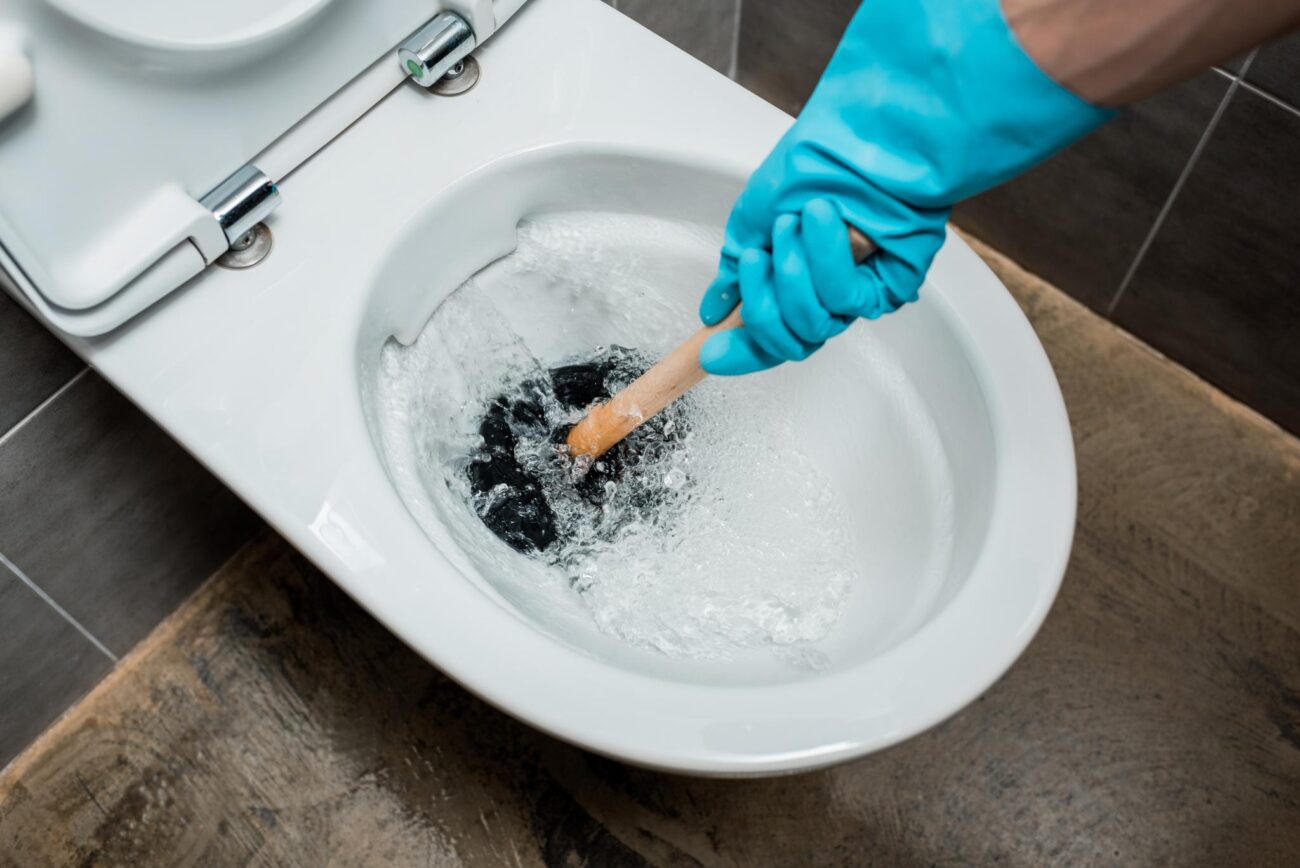
A plunger can be very effective for dislodging blockages in sinks and tubs. Ensure there is enough water in the basin to cover the plunger’s bell. Firmly press the plunger over the drain and plunge vigorously. The pressure should help dislodge the clog.
Drain Snake
A drain snake, or auger, is a handy tool for reaching deeper clogs in the pipes. Insert the snake into the drain and push it through until you feel resistance. Rotate the handle to break up the clog and retrieve any debris. Pull the snake out and run hot water to clear the drain.
Chemical Drain Cleaners
While chemical drain cleaners can be effective for stubborn clogs, they should be used with caution due to their harsh nature and potential to damage pipes. If you choose this route, follow the manufacturer’s instructions carefully, and consider wearing gloves and eye protection.
Preventive Measures
Preventing clogs is always preferable to fixing them. Here are some tips to keep your drains flowing smoothly:
- Use Drain Guards: Install mesh screens or drain guards to catch hair and food particles before they enter the drain.
- Dispose of Grease Properly: Avoid pouring grease down the drain. Instead, let it harden and dispose of it in the trash.
- Regular Cleaning: Regularly clean your drains with a baking soda and vinegar solution to prevent buildup.
- Mind What Goes Down: Be cautious about what you put down the drains, especially in the kitchen and bathroom.
When to Call a Professional
While many clogs can be resolved with DIY methods, some situations require professional intervention. Consider calling a plumber if:
- The clog persists despite your efforts.
- Multiple drains are slow or clogged, indicating a possible sewer line issue.
- You notice unpleasant odors coming from the drains.
- There are gurgling sounds from the drains, which could indicate a blockage in the main sewer line.
Professional Drain Cleaning Techniques
When you call a professional plumber, they may use advanced techniques to clear the blockage, such as:
Hydro Jetting
This method involves using a high-pressure water jet to clear clogs and clean the pipes. It’s effective for stubborn blockages and is less damaging to pipes compared to chemical cleaners.
Video Inspection
Plumbers can use a small camera to inspect the inside of your pipes. This helps identify the exact location and nature of the clog, ensuring a targeted approach to fixing the issue.
Conclusion
Clogged drains are an inconvenient but manageable problem with the right approach. By understanding the causes and employing effective solutions, you can often resolve minor clogs yourself. However, don’t hesitate to call in a professional when needed to ensure your plumbing system remains in good condition. With regular maintenance and preventive measures, you can keep your drains flowing freely and avoid future problems.
