Plumbing is an essential system within any home, responsible for delivering clean water and removing wastewater. While professional plumbers are invaluable for complex tasks, many basic plumbing issues can be tackled with a little know-how and confidence. This guide aims to provide beginners with the foundational knowledge and skills needed to address common plumbing tasks, potentially saving time and money.
Understanding Your Home’s Plumbing System
Before diving into DIY plumbing, it’s crucial to understand how your home’s plumbing system works. Typically, a household plumbing system consists of two subsystems: the water supply system and the drainage system.
The Water Supply System
The water supply system is responsible for bringing fresh water into your home. Water is delivered through a complex network of pipes, usually under pressure, which allows it to travel to various fixtures such as sinks, showers, and toilets. Key components include:
- Main Water Valve: This valve controls the flow of water into your home. Knowing its location is crucial in case of an emergency, such as a burst pipe.
- Shut-Off Valves: These are located near fixtures and allow you to turn off water to specific areas without affecting the entire house.
- Pipes: Typically made from copper, PVC, or PEX, they transport water throughout the home.
The Drainage System
The drainage system removes wastewater from your home, relying on gravity to move water through pipes to the sewer or septic system. Key components include:
- Drain Pipes: These pipes carry water away from sinks, tubs, and toilets.
- Traps: Located under sinks, traps hold a small amount of water to prevent sewer gases from entering your home.
- Vent Pipes: These pipes allow air to enter the drain system, helping waste water flow smoothly.
Essential Tools for DIY Plumbing
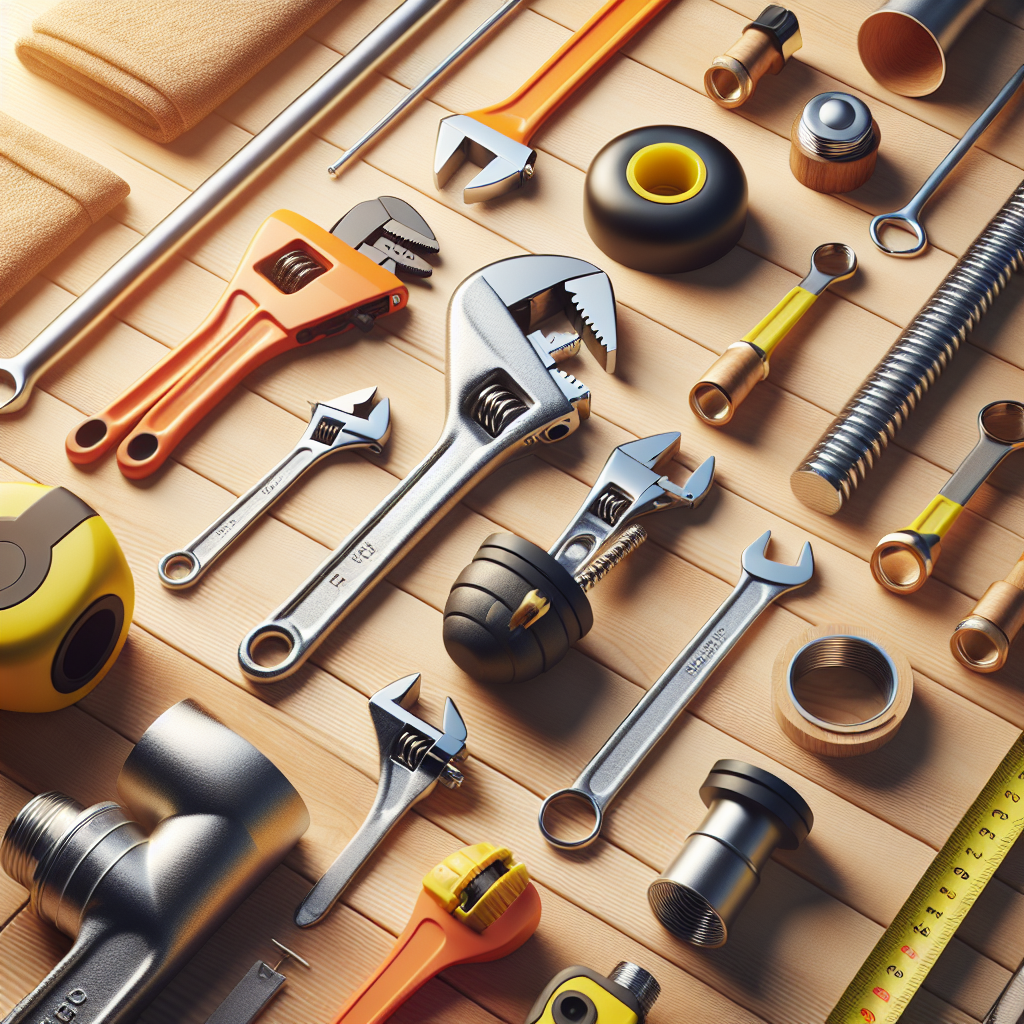
Having the right tools is critical for any DIY plumbing project. Here are some essential tools every beginner should have:
- Adjustable Wrench: Useful for loosening and tightening nuts and bolts.
- Pipe Wrench: Specifically designed for gripping and turning pipes.
- Plunger: Essential for clearing clogged drains and toilets.
- Plumber’s Tape: Also known as Teflon tape, it helps seal threaded pipe joints to prevent leaks.
- Pliers: Handy for gripping, twisting, and turning various plumbing components.
- Pipe Cutter: Used to cut pipes cleanly and accurately.
Common Plumbing Problems and Solutions
Now that you are familiar with your plumbing system and have the right tools, it’s time to tackle some common plumbing problems.
Fixing a Leaky Faucet
Leaky faucets are not only annoying but can also waste a significant amount of water. Here’s how to fix them:
- Turn Off the Water Supply: Use the shut-off valve under the sink to stop the water flow.
- Disassemble the Faucet: Remove the handle and unscrew the packing nut. Take out the stem or cartridge.
- Inspect and Replace Worn Parts: Check the washer or O-ring for wear and replace them if necessary.
- Reassemble the Faucet: Put the faucet back together and turn on the water supply.
Unclogging Drains
Clogged drains are a common issue. Here’s how to clear them:
- Use a Plunger: For minor clogs, a plunger can often do the trick. Ensure there is enough water in the sink or tub to cover the plunger’s cup.
- Try a Drain Snake: For tougher clogs, use a drain snake to break up and remove debris.
- Use Baking Soda and Vinegar: This natural solution can help dissolve minor clogs. Pour baking soda followed by vinegar down the drain, wait a few minutes, and flush with hot water.
Repairing a Running Toilet
A running toilet can waste a lot of water and increase your utility bills. Here’s how to fix it:
- Check the Flapper: Ensure the flapper is not worn or misaligned. Replace it if necessary.
- Adjust the Float: The float controls the water level in the tank. Adjust it to stop water from continuously running.
- Check the Fill Tube: Ensure the fill tube is securely connected to the overflow pipe.
Preventive Maintenance Tips
Preventing plumbing issues before they occur is the best strategy. Here are some maintenance tips:
- Regularly Inspect Pipes: Look for signs of leaks, corrosion, or wear and address them promptly.
- Clean Drains Regularly: Use a mixture of baking soda and vinegar monthly to keep drains clear.
- Insulate Pipes: In colder climates, insulate pipes to prevent freezing and bursting.
- Check Water Pressure: High water pressure can damage pipes. A pressure gauge can help monitor this.
When to Call a Professional
While DIY plumbing can handle many issues, some situations require professional intervention. Consider calling a plumber when:
- There is a major leak or burst pipe.
- You encounter persistent or severe clogs.
- Water pressure issues that you cannot resolve.
- You need to install or replace complex plumbing fixtures or systems.
Conclusion
Mastering the basics of plumbing can empower you to handle many issues that arise in your home, saving you money and reducing stress. By understanding your plumbing system, equipping yourself with essential tools, and learning how to address common problems, you can become more self-sufficient and confident in maintaining your home’s plumbing. However, it’s equally important to recognize when a professional is needed to ensure the safety and integrity of your plumbing system.
