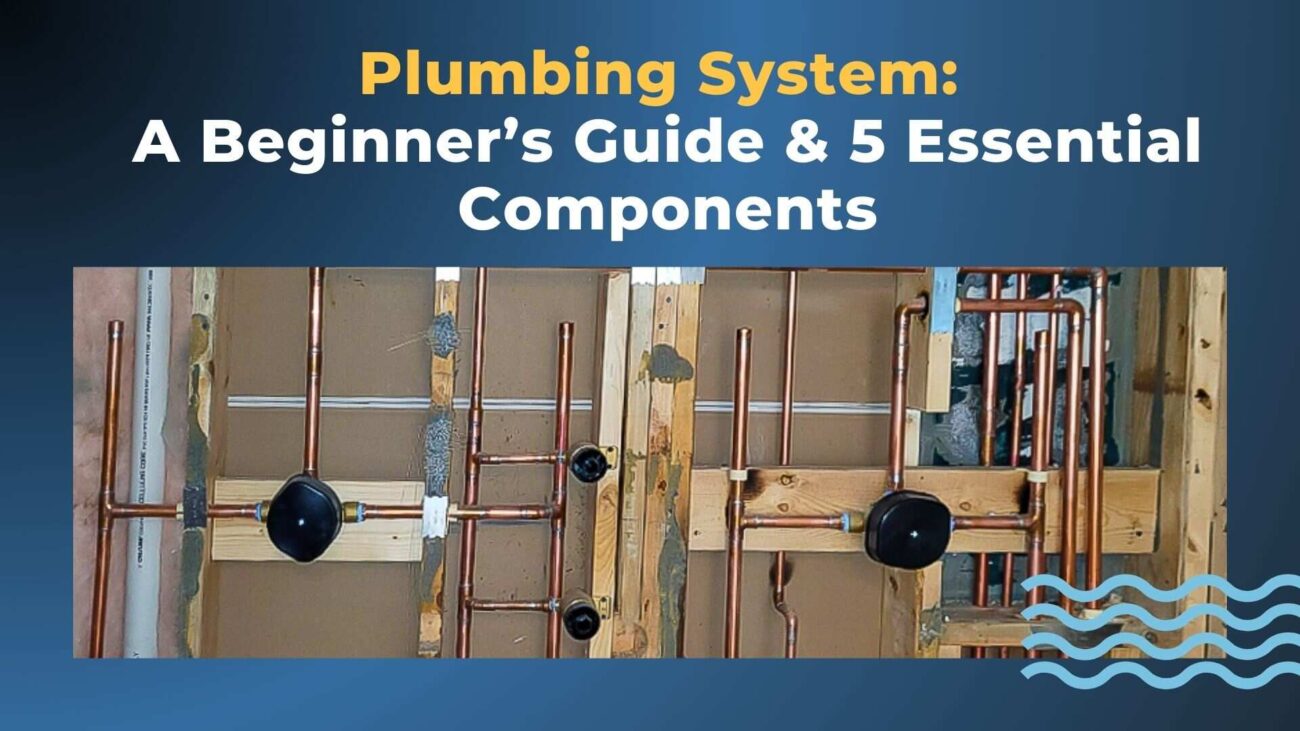
Plumbing is a crucial aspect of any residential infrastructure, often taken for granted until a problem arises. Understanding the basics of home plumbing systems can empower homeowners to handle minor issues, save money, and ensure the longevity of their plumbing systems. This guide aims to provide a comprehensive overview of home plumbing systems, their components, and some basic DIY tips for maintaining them.
The Basics of Home Plumbing Systems
Before delving into specific plumbing components, it’s essential to understand the fundamental principles of how a home plumbing system functions. Essentially, a home plumbing system has two subsystems: the water supply system and the drainage system.
Water Supply System
The water supply system in your home is responsible for bringing in fresh water. This system starts at the water supply source, which could be a municipal water line or a private well. Water is delivered under pressure to ensure it can reach all fixtures throughout the house, from faucets to showerheads.
Drainage System
The drainage system is responsible for removing wastewater from the home. Unlike the water supply system, the drainage system relies on gravity to move water out of the house. The system includes various components, such as drainpipes, vent pipes, and the sewer line, which work together to ensure wastewater is efficiently and safely expelled.
Key Components of Home Plumbing Systems
Understanding the individual components of a plumbing system can help homeowners identify issues and perform basic maintenance.
Pipes and Fittings
Pipes are the backbone of any plumbing system. They transport water to and from fixtures and appliances. Common materials include copper, PVC (polyvinyl chloride), and PEX (cross-linked polyethylene). Each material has its pros and cons in terms of cost, durability, and suitability for specific applications.
Valves
Valves control the flow and pressure of water within the system. They are critical for shutting off water in emergencies or when performing repairs. Common types include gate valves, ball valves, and globe valves.
Fixtures
Fixtures are the visible elements of a plumbing system, including sinks, toilets, showers, and bathtubs. Each fixture has its own set of plumbing connections and may require specific maintenance.
Traps and Vents
Traps are curved sections of pipe located beneath sinks and other fixtures. They hold a small amount of water to prevent sewer gases from entering the home. Vents, on the other hand, allow sewer gases to escape and help maintain proper pressure within the drainage system.
Common Plumbing Problems and DIY Solutions
While some plumbing issues require professional intervention, many common problems can be resolved with a little DIY knowledge and effort.
Leaky Faucets
A leaky faucet is not only annoying but can also waste a significant amount of water over time. The most common cause is a worn-out washer or O-ring. Replacing these components is a straightforward task that typically requires basic tools, such as a wrench and screwdriver.
Clogged Drains
Clogged drains are another frequent issue in households. Hair, soap scum, and food particles often cause blockages. A plunger or a plumber’s snake can often clear minor clogs. For more stubborn blockages, a homemade mixture of baking soda and vinegar can be effective.
Running Toilets
A running toilet can be a significant water waster. The problem often lies in the flapper valve, which may be worn or not seating properly. Replacing the flapper or adjusting the float mechanism can usually resolve the issue.
Maintenance Tips for Home Plumbing Systems
Regular maintenance can prevent many common plumbing problems and extend the life of your plumbing system.
Inspect Regularly
Regularly inspect visible pipes, valves, and fixtures for signs of leaks, corrosion, or damage. Early detection can prevent more severe issues down the line.
Clean Drains
To prevent clogs, clean drains regularly using non-corrosive methods. Avoid pouring grease or oil down the kitchen sink, and use strainers to catch debris before it enters the drain.
Monitor Water Pressure
High water pressure can cause undue stress on pipes and fixtures, leading to leaks. Consider installing a pressure regulator if your home’s water pressure exceeds recommended levels.
When to Call a Professional
While many plumbing issues can be addressed with DIY solutions, some situations require professional expertise.
Persistent Leaks
If a leak persists despite your best efforts, it may indicate a more serious issue, such as a corroded pipe or a faulty valve.
Main Line Blockages
Blockages in the main sewer line are best left to professionals, as they often require specialized equipment and expertise to resolve safely.
Major Installations
For major installations, such as water heaters or extensive pipe replacements, professional plumbers can ensure the job is done correctly and safely, adhering to local codes and regulations.
Conclusion
Understanding the basics of your home plumbing system can save you time and money while ensuring your home remains a safe and comfortable place to live. By familiarizing yourself with the components of the system, performing regular maintenance, and knowing when to call a professional, you can effectively manage your home’s plumbing needs.
