Embarking on a journey to master home plumbing can be both exciting and daunting. For beginners, understanding the basic concepts and techniques of DIY plumbing is crucial. With the right tools, a bit of patience, and this comprehensive guide, you’ll be equipped to tackle common plumbing issues without needing to call in a professional every time.
Understanding Your Home’s Plumbing System
Before diving into hands-on projects, it’s essential to grasp the fundamentals of your home’s plumbing system. Most systems comprise two main subsystems: the water supply system and the drainage system. The water supply system delivers clean water into your home, while the drainage system removes wastewater.
Essential Tools for DIY Plumbing
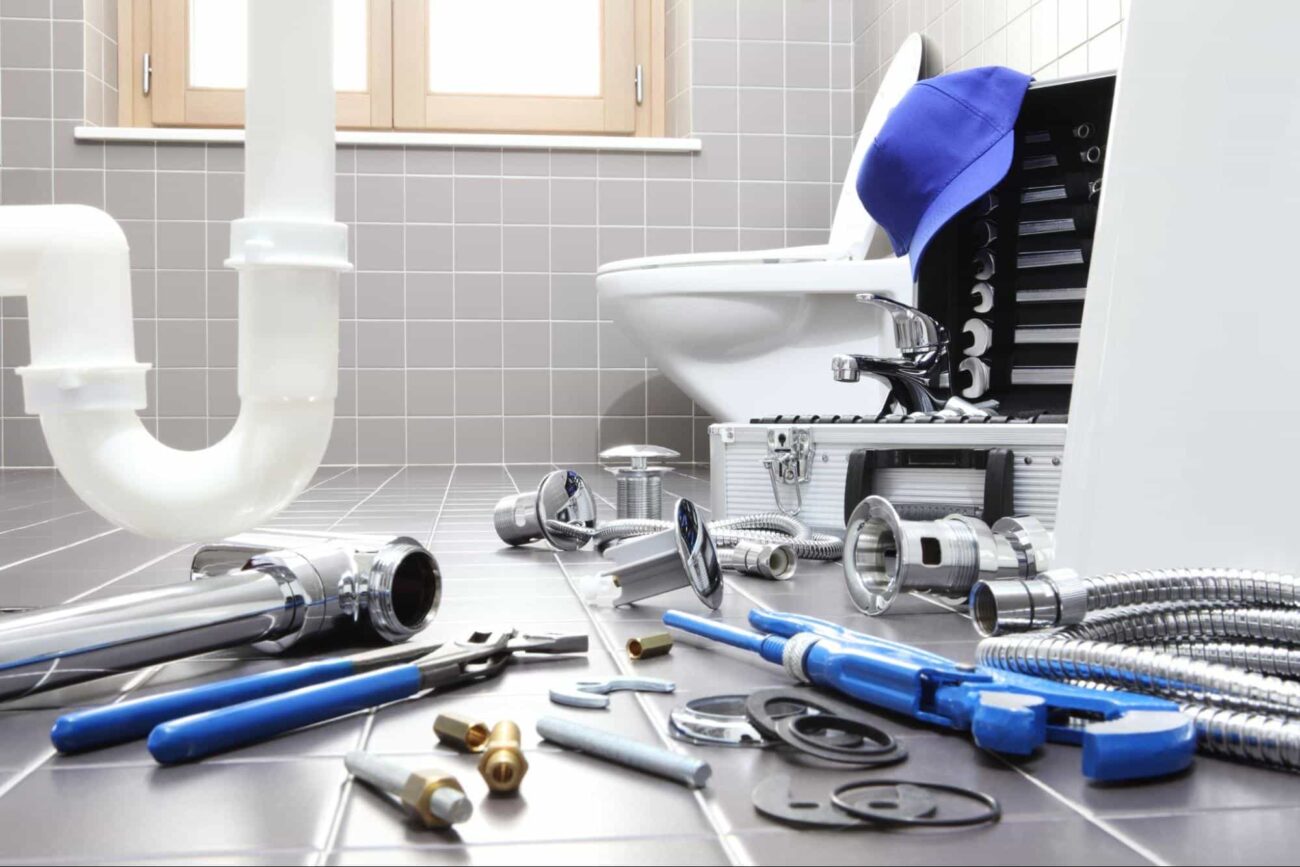
Having the right tools is crucial for any DIY plumbing project. Here are some essential tools you’ll need:
- Adjustable Wrench: Versatile and essential for loosening and tightening fittings.
- Pipe Wrench: Specifically designed for gripping and turning pipes.
- Plunger: Indispensable for clearing clogged sinks and toilets.
- Pipe Cutter: Used for cutting pipes cleanly and efficiently.
- Plumber’s Tape: Also known as Teflon tape, used to seal pipe threads to prevent leaks.
Common Plumbing Materials
Familiarizing yourself with common plumbing materials will aid in selecting the right components for your projects:
Pipes
- PVC: Lightweight and easy to work with, ideal for drain lines.
- Copper: Durable and reliable, often used for water supply lines.
- PEX: Flexible and resistant to scale and chlorine, suitable for both hot and cold water supply.
Fittings
- Elbows: Used to change the direction of a pipe.
- Couplings: Connect two pipes together.
- Tees: Allow for branching off a pipe in another direction.
Step-by-Step DIY Projects
Fixing a Leaky Faucet
A leaky faucet is a common problem that can waste a significant amount of water. Here’s how to fix it:
- Turn Off the Water Supply: Locate the shut-off valve under the sink and turn it off.
- Disassemble the Faucet: Remove the handle using a screwdriver, then remove the packing nut.
- Replace the Washer: Remove the old washer and replace it with a new one of the same size.
- Reassemble the Faucet: Reinstall the packing nut and handle, then turn the water supply back on.
Unclogging a Drain
Clogged drains are a nuisance but can often be cleared with a plunger and some elbow grease:
- Cover the Overflow Drain: Use a wet cloth to cover the overflow drain to create better suction.
- Use a Plunger: Place the plunger over the drain and give it several strong pumps.
- Check the Drain: Remove the plunger and see if the water drains. Repeat if necessary.
Replacing a Showerhead
Upgrading or replacing a showerhead can improve water flow and efficiency:
- Remove the Old Showerhead: Use an adjustable wrench to unscrew the old showerhead.
- Clean the Threads: Remove old plumber’s tape and clean the threads with a brush.
- Apply New Plumber’s Tape: Wrap new plumber’s tape around the threads of the shower arm.
- Install the New Showerhead: Screw the new showerhead onto the shower arm by hand and tighten with a wrench.
Preventive Maintenance Tips
Prevention is always better than cure. Here are some tips to keep your plumbing system in top shape:
- Regular Inspections: Periodically check for leaks and signs of wear in visible pipes and fixtures.
- Drain Care: Avoid pouring grease down the drain and use strainers to catch debris.
- Water Pressure: Monitor your home’s water pressure to prevent strain on pipes and fixtures.
Safety Precautions
When undertaking DIY plumbing projects, safety should always be a priority:
- Turn Off Water Supply: Always shut off the water supply before starting any project.
- Use Protective Gear: Wear gloves and safety goggles to protect yourself from sharp tools and debris.
- Be Cautious with Chemicals: If using chemical drain cleaners, follow instructions carefully and ensure proper ventilation.
When to Call a Professional
While DIY plumbing can save money, there are times when it’s best to call in a professional:
- Major Leaks: If you cannot locate or fix a major leak, seek professional help immediately.
- Complex Installations: Projects like installing a new water heater or re-piping an entire home require expert knowledge.
- Building Codes: Ensure compliance with local plumbing codes, especially for extensive renovations.
Conclusion
Mastering home plumbing as a beginner is a rewarding endeavor that can save time and money. By understanding your plumbing system, having the right tools, and following safety precautions, you can confidently tackle common plumbing issues. Remember, while DIY projects are empowering, knowing when to call a professional is equally important. With practice and patience, you’ll soon become proficient in handling a variety of plumbing challenges in your home.
#ChatGPT assisted in the creation of this article.
