
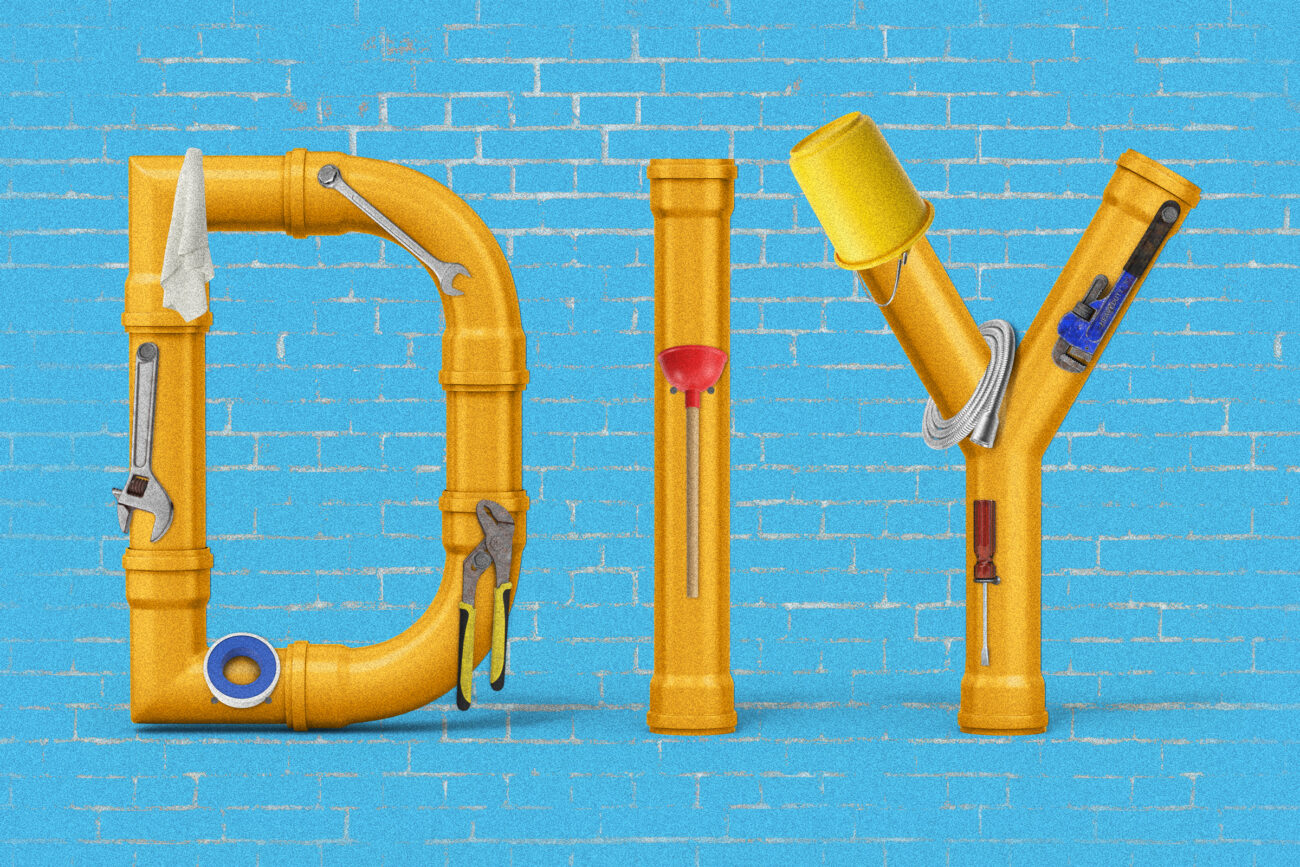
Plumbing issues can often seem daunting, but not every problem requires a professional plumber. Many common plumbing issues can be resolved with a little know-how and some basic tools. In this article, we’ll cover some easy plumbing fixes you can tackle yourself, saving you both time and money. From leaky faucets to clogged drains, let’s dive into the world of DIY plumbing.
Understanding the Basics
Before you start, it’s important to familiarize yourself with some plumbing basics. Most plumbing systems in homes are composed of two subsystems: one that brings in freshwater and another that removes wastewater. Having a fundamental understanding of these systems can help you diagnose and fix problems more efficiently.
A few essential tools will make your DIY plumbing tasks easier. These include a wrench, pliers, a plunger, plumber’s tape, a drain snake, and a pipe wrench. With these tools in your arsenal, you’re ready to tackle some common plumbing issues.
Fixing a Leaky Faucet
A leaky faucet is one of the most common plumbing issues. Not only is the constant drip annoying, but it can also waste a significant amount of water over time. Fortunately, fixing a leaky faucet is relatively simple.
Step 1: Turn Off the Water Supply
Before you begin, ensure that the water supply to the faucet is turned off. You can usually find the shut-off valve under the sink. Turn the valve clockwise to close it.
Step 2: Disassemble the Faucet
Start by removing the handle of the faucet. This may require a screwdriver or an Allen wrench. Once the handle is removed, you’ll have access to the faucet’s cartridge or washer. Inspect these components for damage or wear.
Step 3: Replace Damaged Parts
If the washer or cartridge is damaged, replace it with a new one. Take the old one to a hardware store to ensure you get the correct replacement. Reassemble the faucet and turn the water supply back on to check if the leak is resolved.
Unclogging a Drain
Clogged drains are another common issue. They can occur in sinks, showers, or tubs and are often caused by a buildup of hair, soap, or grease. Here’s how you can unclog a drain without calling in a professional.
Step 1: Try Hot Water
Sometimes, pouring a pot of boiling water down the drain can dissolve minor clogs caused by soap or grease.
Step 2: Use a Plunger
If hot water doesn’t do the trick, try using a plunger. Ensure there is enough water in the sink or tub to cover the plunger’s cup. Place the plunger over the drain and push down firmly several times to dislodge the clog.
Step 3: Use a Drain Snake
If the plunger doesn’t work, a drain snake may be necessary. Insert the snake into the drain and twist it to break up the clog. Pull the snake out and dispose of any debris.
Fixing a Running Toilet
A running toilet can waste a lot of water and increase your water bill. The problem is often caused by a faulty flapper, fill valve, or float arm.
Step 1: Check the Flapper
The flapper is a rubber valve that controls the flow of water from the tank to the bowl. If it’s not sealing properly, water will continuously run. Check if the flapper is worn or misaligned and replace it if necessary.
Step 2: Adjust the Float
If the flapper is fine, the float arm may need adjustment. The float controls the water level in the tank. Adjust the float arm so the water stops at the correct level.
Step 3: Inspect the Fill Valve
If the float and flapper are working properly, inspect the fill valve for any signs of damage. Replacing a faulty fill valve can often solve a running toilet problem.
Repairing Low Water Pressure
Experiencing low water pressure can be frustrating, but it’s often a fixable problem. Low water pressure can be caused by mineral build-up or a malfunctioning pressure regulator.
Step 1: Clean Aerators and Showerheads
Mineral deposits can clog aerators and showerheads, reducing water pressure. Remove the aerator or showerhead and soak it in vinegar overnight to dissolve the deposits. Rinse thoroughly and reinstall.
Step 2: Check the Pressure Regulator
If cleaning doesn’t solve the issue, check the pressure regulator. It’s usually located near the main water line. If it’s faulty, you may need to replace it, which is a task best left to professionals unless you’re experienced in plumbing.
Sealing a Pipe Leak
Leaky pipes can cause significant water damage if not addressed promptly. While some leaks require professional repair, small leaks can often be fixed with pipe tape or a pipe clamp.
Step 1: Locate the Leak
Inspect the pipe for visible signs of damage or moisture. Once you find the leak, dry the area thoroughly.
Step 2: Apply Pipe Tape or a Pipe Clamp
If the leak is small, wrap pipe tape around the leak to create a temporary seal. For a more durable fix, use a pipe clamp. Tighten the clamp securely around the leak.
Conclusion
With a bit of patience and the right tools, you can tackle many common plumbing issues on your own. However, it’s important to recognize your limits. If a problem seems beyond your expertise, don’t hesitate to call a professional plumber. Regular maintenance and timely repairs can prevent small issues from becoming major headaches, ensuring your plumbing system remains in top condition.
By learning to handle these easy plumbing fixes, you’re not just saving money; you’re also gaining valuable skills that will serve you well in maintaining your home. Happy plumbing!
#ChatGPT assisted in the creation of this article.
