
Dealing with a clogged drain can be a frustrating and inconvenient experience. Whether it’s your kitchen sink, bathroom shower, or laundry drain, clogs can disrupt your daily routine and cause unwanted stress. Fortunately, there are a variety of methods to effectively tackle this common household issue. In this article, we’ll explore the top drain unclogging tips that will help you achieve quick results and restore the functionality of your plumbing system.
Understanding the Causes of Clogged Drains
Before diving into solutions, it’s essential to understand what typically causes clogged drains. Common culprits include:
- Hair: A leading cause of bathroom clogs, hair can accumulate and bind with soap scum, leading to blockages.
- Grease and Oil: In kitchens, grease, oil, and fats can solidify and attach to the inner walls of pipes, causing clogs.
- Food Particles: Food debris that doesn’t get washed away can accumulate in kitchen drains.
- Soap Scum: Especially in bathrooms, soap residue can build up and create stubborn blockages.
- Foreign Objects: Items like toys, jewelry, or other small objects can accidentally fall into drains and cause obstruction.
Preventative Measures to Avoid Clogs
Prevention is often the best cure. By adopting some simple habits, you can minimize the risk of clogs:
- Use Drain Screens: Install screens over drains to catch hair, food particles, and other debris before they enter the pipes.
- Dispose of Grease Properly: Never pour grease or oil down the drain. Instead, collect it in a container and dispose of it in the trash.
- Regular Cleaning: Regularly cleaning your drains with baking soda and vinegar can help prevent buildup.
- Mind What You Flush: Only flush toilet paper and human waste down the toilet. Avoid flushing wipes, sanitary products, or other foreign items.
Quick Solutions for Unclogging Drains
When you encounter a clog, there are several quick and effective solutions you can try:
Boiling Water
One of the simplest methods to unclog a drain is using boiling water. This technique is particularly effective for clearing minor grease or soap scum clogs.
- Bring a kettle or pot of water to a boil.
- Carefully pour the boiling water down the drain in several stages, allowing it to work for a few seconds between pours.
- Repeat if necessary.
This method is not recommended for PVC pipes, as the heat could cause damage.
Plunger
The plunger is a classic tool for unclogging drains and can be particularly effective for sinks and toilets.
- Ensure there is enough water in the sink or toilet to cover the plunger’s cup.
- Position the plunger over the drain and push down firmly, then pull up sharply.
- Repeat this process several times to create suction and dislodge the clog.
Baking Soda and Vinegar
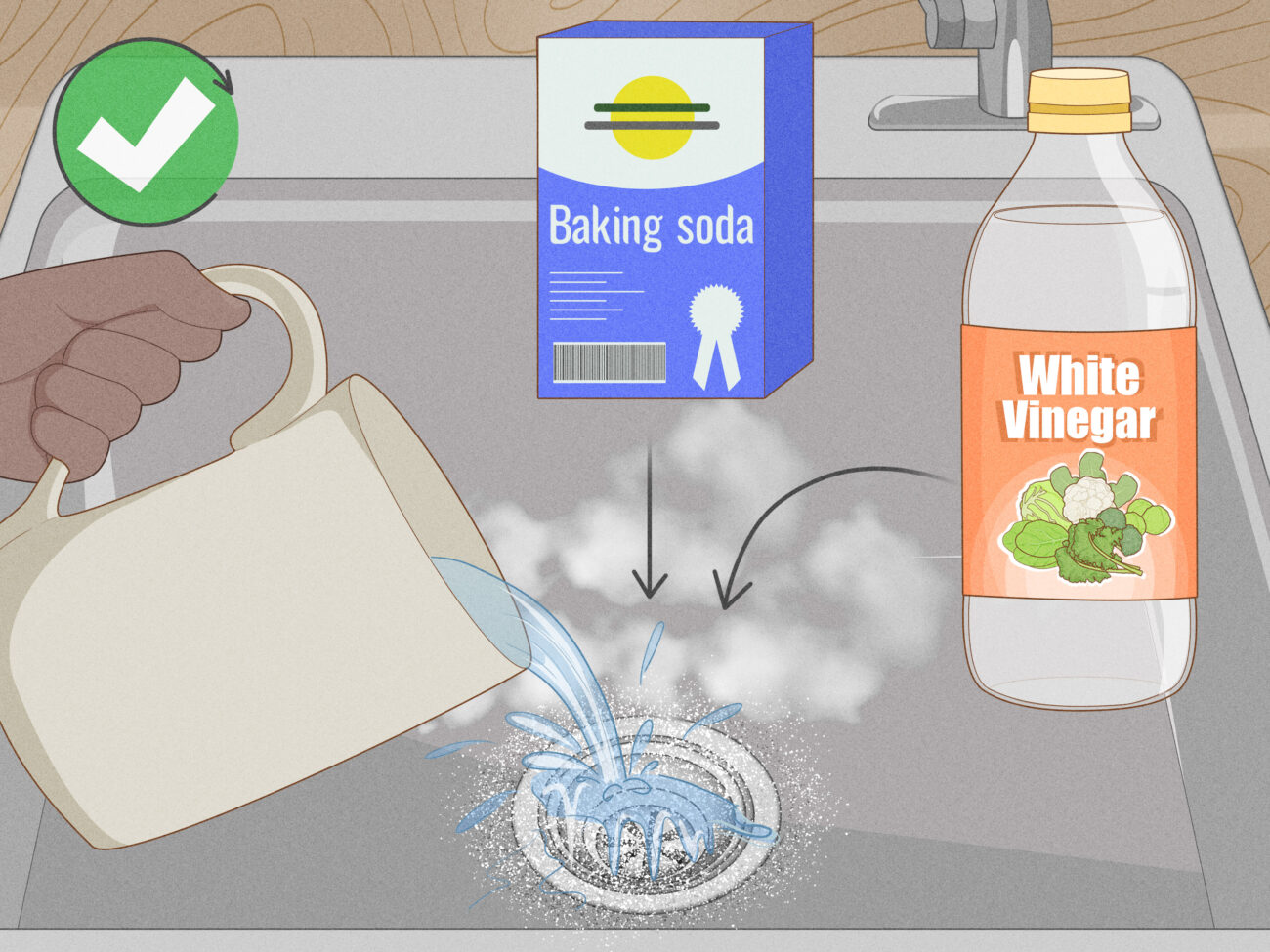
This natural cleaning duo is a powerful solution for mild to moderate clogs, especially in kitchen and bathroom drains.
- Pour half a cup of baking soda down the drain.
- Follow with half a cup of white vinegar.
- Cover the drain with a plug or cloth to keep the reaction contained.
- Wait 15-20 minutes, then flush with hot water.
The chemical reaction can help break down the blockage and clear the drain.
Plumber’s Snake
For more stubborn clogs, a plumber’s snake can be an effective tool. This flexible tool can reach deep into pipes to dislodge and remove blockages.
- Insert the snake into the drain until you feel resistance.
- Rotate the handle to break up the clog.
- Continue pushing and pulling the snake until the drain is clear.
After using the snake, run hot water to ensure the clog is completely removed.
When to Call a Professional
While many clogs can be resolved with DIY methods, some situations require professional intervention:
- Persistent Clogs: If your efforts don’t seem to make a difference, a professional plumber can diagnose and fix the problem.
- Recurring Issues: Frequent clogs may indicate a more serious issue, such as damaged pipes or sewer line problems.
- Foul Odors: Persistent bad smells can be a sign of a deeper problem that needs professional attention.
- Multiple Clogged Drains: If multiple drains are clogged simultaneously, it could indicate a blockage in the main sewer line.
Conclusion
Clogged drains are a common but manageable household issue. By understanding the causes, taking preventative measures, and knowing how to tackle clogs effectively, you can keep your plumbing system running smoothly. Remember, while DIY solutions are often effective, don’t hesitate to call a professional if the problem persists or worsens. By staying proactive and informed, you can minimize disruptions and maintain a clean, efficient home environment.
#ChatGPT assisted in the creation of this article.
