Whether you’re a seasoned DIY enthusiast or a homeowner looking to save some money, mastering basic pipe repair techniques can be a vital skill. Plumbing issues can arise at any time, and having the ability to address minor problems without calling in a professional can save you time and money. This article will guide you through essential DIY techniques for pipe repair, equipping you with the knowledge to tackle common plumbing issues confidently.
Understanding Your Plumbing System
Before diving into repair techniques, it’s crucial to understand the basics of your plumbing system. Most residential plumbing systems consist of two main parts: the water supply system and the drain-waste-vent (DWV) system. The water supply system brings fresh water into your home, while the DWV system removes wastewater. Familiarizing yourself with these components will help you diagnose and address plumbing issues more effectively.
Essential Tools for Pipe Repair
Having the right tools is essential for any DIY project. For pipe repair, you should have the following tools on hand:
- Pipe wrench: Ideal for gripping and turning pipes and pipe fittings.
- Plumber’s tape (Teflon tape): Used to seal pipe threads to prevent leaks.
- Pipe cutter: A tool used to cut pipes cleanly and accurately.
- Adjustable wrench: Useful for loosening and tightening nuts and bolts.
- Plunger: Essential for clearing clogs in sinks, toilets, and other drains.
- Hacksaw: Used for cutting through metal pipes.
- Bucket: Handy for catching water during repairs.
Common Pipe Problems and Solutions
Now that you’re familiar with the tools, let’s explore some common pipe problems and their DIY solutions.
Leaky Pipes
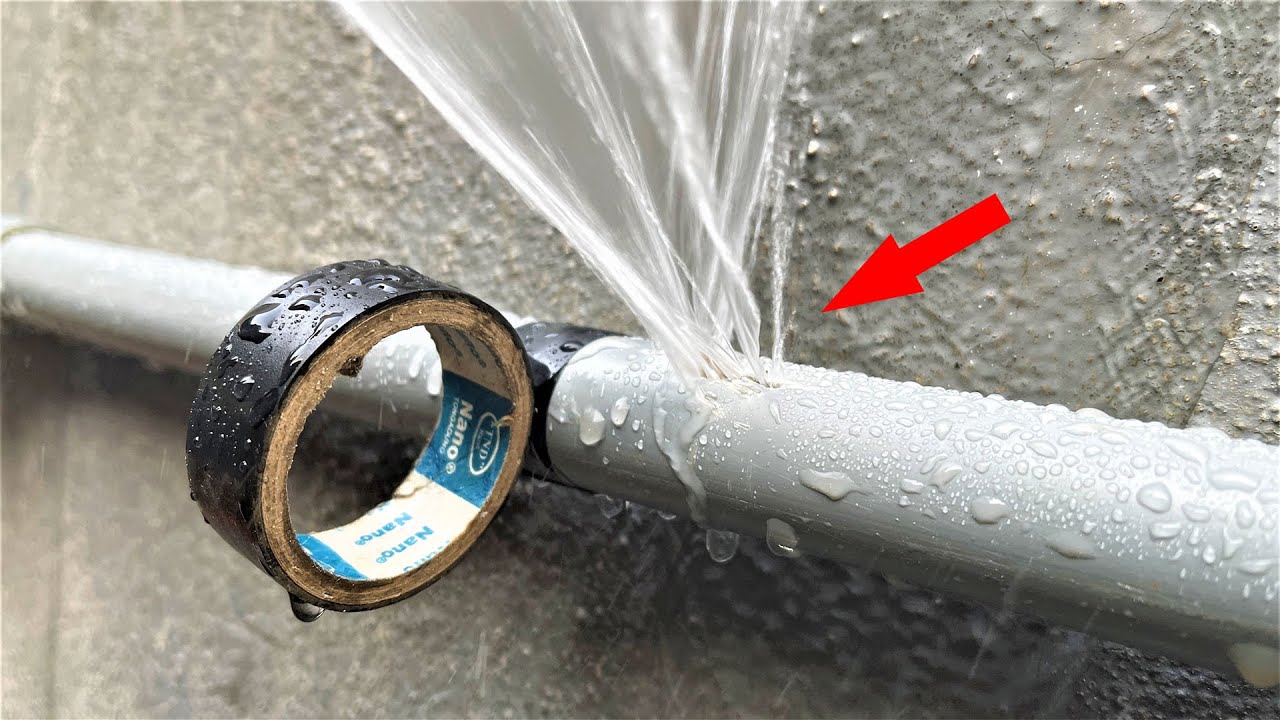
Leaky pipes are a common issue in households. They can waste water and cause water damage if left unattended. Here’s how to address a leaky pipe:
- Turn off the water supply to the affected pipe.
- Dry the pipe and inspect it for cracks or loose fittings.
- Use plumber’s tape to wrap around the threads if the leak is at a joint.
- If the pipe is cracked, consider using a pipe clamp or replacing the damaged section.
Clogged Drains
Clogged drains can disrupt daily activities and cause unpleasant odors. Here’s how to unclog a drain:
- Use a plunger to try and dislodge the clog.
- If the plunger doesn’t work, use a plumber’s snake to reach deeper clogs.
- For persistent clogs, consider using a mixture of baking soda and vinegar, followed by hot water.
Frozen Pipes
In colder climates, pipes can freeze and burst, leading to significant water damage. To prevent and address frozen pipes:
- Insulate exposed pipes using foam pipe insulation.
- During extremely cold weather, let faucets drip to keep water moving.
- If a pipe is frozen, use a hairdryer or heat tape to thaw it slowly, starting from the faucet end.
Pipe Replacement Techniques
Sometimes, a pipe may be beyond repair and require replacement. Here’s how to replace a section of pipe:
Cutting and Removing the Damaged Pipe
To replace a section of pipe, you first need to remove the damaged portion:
- Turn off the water supply and drain any remaining water from the pipes.
- Use a pipe cutter or hacksaw to cut out the damaged section.
- Ensure the edges of the remaining pipe are clean and smooth.
Installing the New Pipe
Once the damaged pipe is removed, it’s time to install the new section:
- Measure and cut the new pipe section to fit the gap.
- Use plumber’s tape on the threads of the fittings to prevent leaks.
- Connect the new pipe section using appropriate fittings and tighten with a wrench.
- Turn the water supply back on and check for leaks.
Safety Precautions
When performing any DIY pipe repair, it’s essential to prioritize safety:
- Always turn off the water supply before starting any repair work.
- Wear protective eyewear and gloves to prevent injury.
- Be cautious when using tools, especially cutting tools like hacksaws and pipe cutters.
- If you encounter a situation you’re unsure about, consult a professional plumber.
When to Call a Professional
While many pipe repairs can be handled with DIY techniques, some situations require professional intervention:
- Extensive water damage or large leaks that are difficult to control.
- Complex plumbing systems that are beyond your understanding or comfort level.
- Persistent issues that do not resolve with basic repair techniques.
Knowing when to call a professional can save you from costly repairs and ensure the safety and integrity of your plumbing system.
Conclusion
Mastering essential DIY pipe repair techniques can empower you to handle minor plumbing issues with confidence. By understanding your plumbing system, having the right tools, and knowing how to address common problems, you can save money and prevent further damage to your home. Remember to prioritize safety and know your limits—when in doubt, don’t hesitate to call a professional plumber. With these skills and knowledge, you’ll be well-equipped to keep your plumbing system running smoothly.
