Plumbing is often regarded as one of the most crucial elements of home maintenance. Whether it’s for a new installation or an upgrade, mastering the basics of plumbing can save both time and money. While some plumbing tasks require professional intervention, many can be handled by a competent DIY enthusiast. This article will delve into the essential basics of plumbing installation, offering guidance to achieve DIY success.
Understanding Plumbing Systems
Before diving into plumbing installation, it’s important to understand the two primary systems involved: the water supply system and the drainage system.
Water Supply System
This system is responsible for delivering clean water to your home. It involves pipes, valves, and fixtures that supply water to faucets, showers, toilets, and appliances. Water enters the home through a main supply line and is then distributed to various points.
Drainage System
The drainage system removes wastewater from your home. It consists of drain pipes, vent pipes, and sewer lines. This system relies on gravity to move waste water away from the home to a septic tank or municipal sewer system.
Essential Tools for Plumbing Installation
A successful DIY plumbing project requires the right tools. Essential tools include:
– Pipe Wrenches: Used for gripping and turning pipes and fittings.
– Pipe Cutters: Essential for cutting pipes to the correct length.
– Plumber’s Tape (Teflon tape): Used to seal pipe threads to prevent leaks.
– Plungers: Useful for clearing clogs in sinks, toilets, and drains.
– Adjustable Wrenches: Versatile tools for tightening and loosening nuts and bolts.
– Basin Wrench: Specifically designed for reaching and tightening nuts on faucets.
– Pipe Bender: Used for bending pipes without kinking them.
Choosing the Right Pipes and Fittings
Selecting the appropriate materials is crucial for plumbing installation. Common materials include:
PEX (Cross-linked Polyethylene)
PEX is flexible, easy to install, and resistant to scale and chlorine. It’s ideal for both hot and cold water supply lines.
PVC (Polyvinyl Chloride)
PVC pipes are commonly used for drainage systems. They are lightweight, resistant to chemicals, and easy to work with.
Copper
Copper pipes are durable and have been used for decades in plumbing systems. They are suitable for water supply lines and are corrosion-resistant.
CPVC (Chlorinated Polyvinyl Chloride)
CPVC is similar to PVC but can withstand higher temperatures, making it suitable for hot water lines.
Basic Plumbing Installation Steps
To successfully complete a plumbing installation, follow these basic steps:
Step 1: Planning and Measuring
Start by planning your plumbing layout. Consider the location of fixtures and appliances, and measure the required lengths of pipes accurately. A detailed plan will help you avoid mistakes and material wastage.
Step 2: Cutting and Fitting Pipes
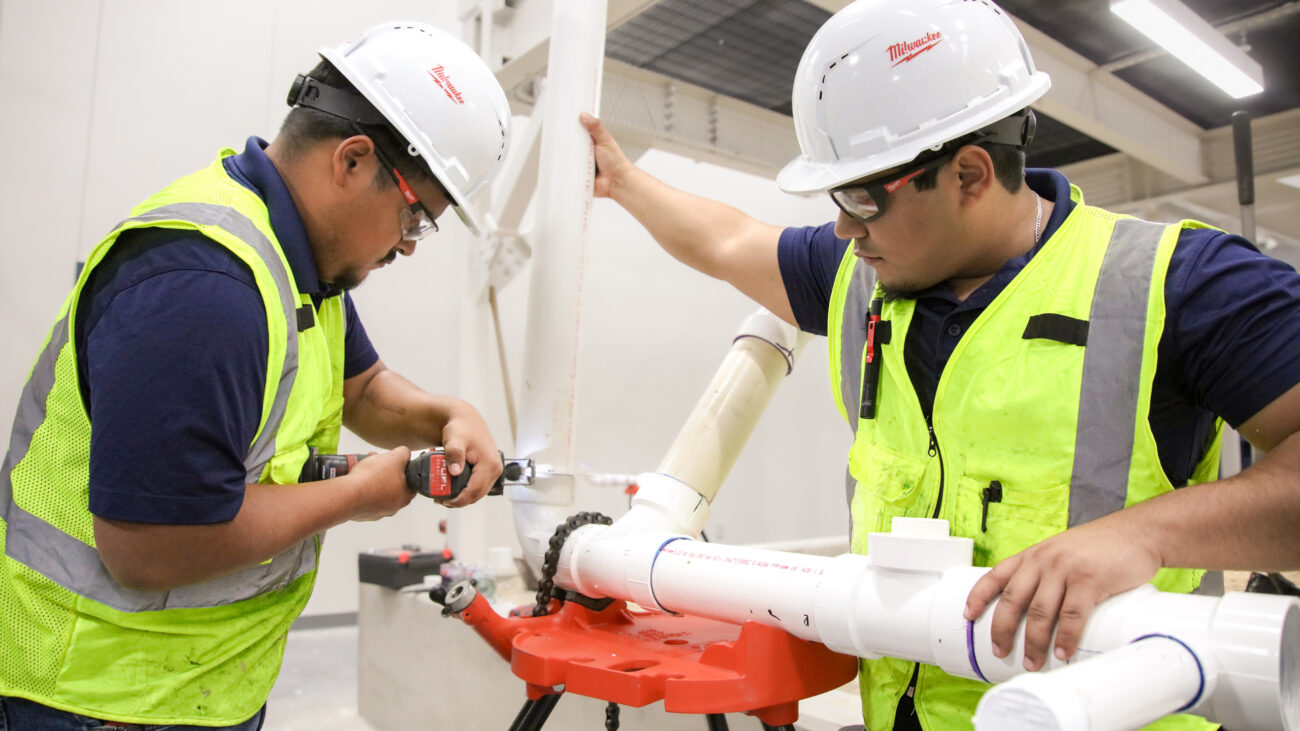
Use a pipe cutter to cut pipes to the desired lengths. Ensure the cuts are straight and clean to achieve a good fit. Test fit the pipes in place before proceeding.
Step 3: Assembling and Securing Pipes
Assemble the pipes and fittings according to your plan. Use plumber’s tape on threaded connections to prevent leaks. Secure pipes with clips or hangers to keep them in place.
Step 4: Installing Fixtures
Install fixtures such as faucets, toilets, and showerheads according to the manufacturer’s instructions. Ensure they are properly aligned and securely attached.
Step 5: Testing the System
Once the installation is complete, test the system for leaks. Turn on the water supply and check for any signs of water escaping. Tighten connections as needed to resolve leaks.
Common DIY Plumbing Mistakes to Avoid
While DIY plumbing can be rewarding, it’s important to avoid common pitfalls:
Not Turning Off the Water Supply
Always turn off the main water supply before starting any plumbing work. Failing to do so can result in flooding and water damage.
Overtightening Connections
Overtightening can damage fittings and cause leaks. Use the correct amount of force to secure connections without overtightening.
Using the Wrong Materials
Ensure you use the correct type of pipe and fittings for your specific application. Mixing incompatible materials can lead to corrosion and leaks.
Ignoring Local Plumbing Codes
Familiarize yourself with local plumbing codes and regulations. Non-compliance can result in fines and safety hazards.
Safety Considerations
Safety should be a priority during any DIY project. Here are some safety tips for plumbing installation:
– Wear protective gear, including gloves and safety goggles.
– Work in a well-ventilated area to avoid inhaling fumes from adhesives and solvents.
– Use the right tools for the job to prevent accidents and injuries.
– Be cautious when using power tools to avoid electrical hazards.
When to Call a Professional
While many plumbing tasks can be completed by a DIY enthusiast, some situations require professional expertise:
Major Installations and Repairs
For complex installations or major repairs, such as sewer line replacements or water heater installations, it’s best to hire a licensed plumber.
Persistent Leaks or Clogs
If you’ve tried to resolve a leak or clog without success, it may be time to call a professional. They have the tools and knowledge to diagnose and fix the issue.
Building Code Compliance
To ensure your plumbing system meets local building codes, especially for new constructions or renovations, consult a professional plumber.
Conclusion
Mastering plumbing installation basics is an invaluable skill for any DIY enthusiast. With the right tools, materials, and techniques, you can tackle various plumbing projects with confidence. However, always assess the scope of the project and know when to seek professional help. By following the guidelines outlined in this article, you can achieve DIY success in your plumbing endeavors, ensuring a safe and functional water system in your home.
