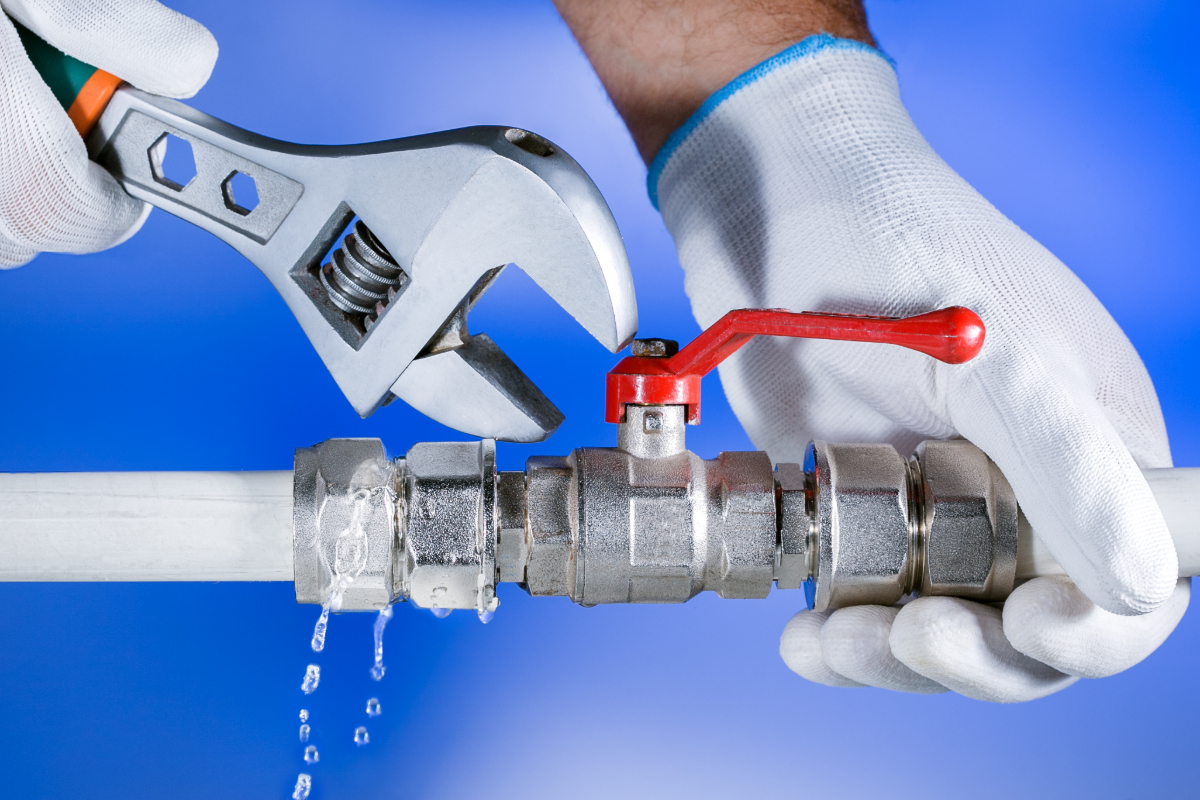
Bathroom pipe leaks can be a homeowner’s nightmare, leading to water damage, mold growth, and costly repairs. The good news is that preventive measures can be taken to avert these leaks and protect your home. This article delves into the top solutions for preventing bathroom pipe leaks, offering practical tips and insights to safeguard your plumbing system.
Regular Maintenance and Inspection
Regular maintenance and inspection of your bathroom plumbing is the first line of defense against leaks. By routinely checking pipes, fixtures, and seals, you can identify potential problems before they escalate into major leaks.
Conduct Visual Inspections
Conduct visual inspections of your bathroom pipes at least twice a year. Look for signs of corrosion, rust, or wear and tear that could indicate a potential leak. Pay special attention to joints, fittings, and connections, as these are common areas where leaks can develop.
Professional Plumbing Inspections
Consider hiring a professional plumber to perform a thorough inspection annually. They can use specialized tools to detect hidden leaks and assess the overall condition of your plumbing system. A professional can also offer advice on necessary repairs or replacements to prevent future leaks.
Proper Installation and Upgrades
Ensuring that your plumbing fixtures and pipes are properly installed is crucial in preventing leaks. Faulty installation can lead to misaligned pipes, weak connections, and eventual leaks. Additionally, upgrading old or deteriorated plumbing components can help maintain the integrity of your system.
Hire Qualified Professionals
Always hire qualified and experienced plumbers for installations and upgrades. A professional will ensure that all components are installed according to industry standards, reducing the risk of future leaks.
Upgrade to Modern Materials
If your bathroom plumbing consists of outdated materials such as galvanized steel or polybutylene pipes, consider upgrading to modern alternatives like copper or PEX. These materials are more durable and less prone to corrosion and leaks.
Control Water Pressure
High water pressure is a common cause of pipe leaks. Excessive pressure can strain pipes and fixtures, leading to cracks and leaks over time. Controlling your home’s water pressure is essential in preventing these issues.
Install a Pressure Regulator
Install a pressure regulator to maintain a safe and consistent water pressure level. This device automatically reduces the water pressure coming into your home, protecting your plumbing system from stress.
Monitor Water Pressure Regularly
Regularly monitor your water pressure using a pressure gauge. Ideally, the pressure should be between 40 and 60 psi. If you notice a significant increase or decrease, contact a plumber to investigate and resolve the issue.
Preventative Measures for Cold Weather
Cold weather can cause pipes to freeze and burst, resulting in leaks. Taking preventative measures during the winter months can help protect your plumbing system from the effects of freezing temperatures.
Insulate Pipes
Insulate exposed pipes in unheated areas such as basements, crawl spaces, and attics. Pipe insulation sleeves or heat tape can help maintain the temperature of the pipes and prevent freezing.
Keep a Drip During Cold Spells
During extreme cold spells, allow a small drip of water to flow through faucets, especially those connected to exterior walls. This keeps water moving and reduces the risk of freezing.
Sealant and Caulking Maintenance
Properly sealed and caulked fixtures prevent water from seeping into unwanted areas. Regularly inspect and maintain seals around tubs, sinks, and showers to prevent leaks.
Replace Worn-Out Seals
Inspect seals and caulking for signs of wear, such as cracks, gaps, or discoloration. Replace any damaged seals promptly to maintain a watertight barrier.
Use Quality Sealant Products
Invest in high-quality silicone-based sealants for bathroom applications. These products offer superior water resistance and longevity compared to cheaper alternatives.
Address Clogs Promptly
Clogs can cause pressure buildup in pipes, leading to leaks or bursts. Address clogs promptly to maintain the flow of water and prevent damage to your plumbing system.
Use Drain Screens
Install drain screens in sinks, showers, and tubs to catch hair, soap scum, and debris. This simple measure helps prevent clogs from forming in the first place.
Regular Drain Cleaning
Perform regular drain cleaning using safe, non-corrosive methods such as baking soda and vinegar. Avoid harsh chemical cleaners that can damage pipes over time.
Educate Household Members
Educating all household members about proper plumbing use and maintenance can go a long way in preventing leaks. Encourage everyone to be mindful of how they use bathroom fixtures and report any issues immediately.
Proper Fixture Use
Instruct family members on the proper use of bathroom fixtures, such as avoiding over-tightening faucets, which can damage seals, and ensuring toilet handles are used gently.
Immediate Reporting of Issues
Encourage household members to report any signs of leaks, unusual noises, or slow drainage immediately. Prompt attention to these issues can prevent small problems from turning into major leaks.
Conclusion
Preventing bathroom pipe leaks requires a proactive approach, combining regular maintenance, proper installation, and thoughtful use of plumbing fixtures. By implementing these top solutions, homeowners can protect their investments, preserve the integrity of their plumbing systems, and avoid the costly consequences of leaks. Remember, when in doubt, always consult with a professional plumber to ensure the best care for your home’s plumbing needs.
#ChatGPT assisted in the creation of this article.
