
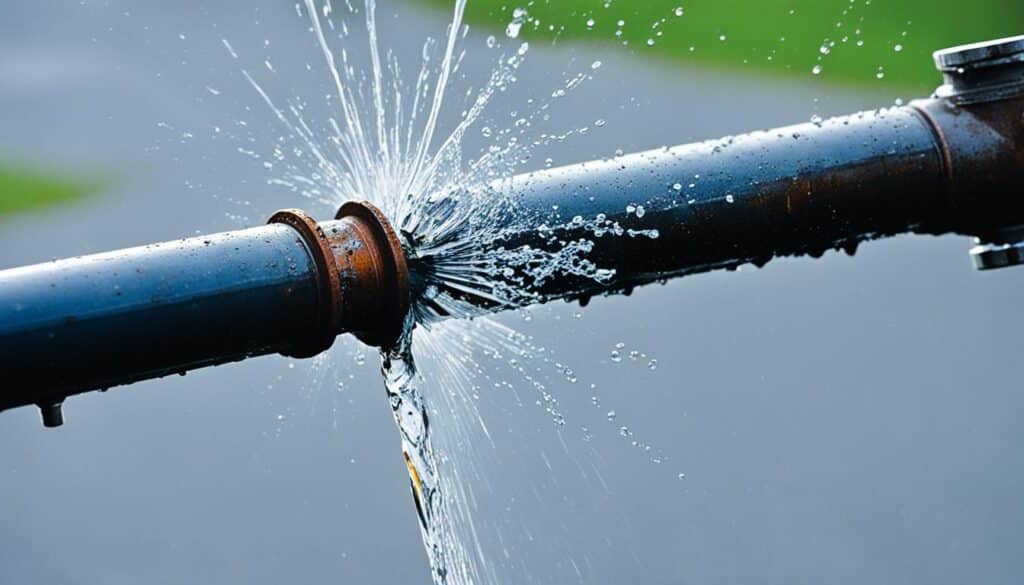
A broken pipe is a homeowner’s nightmare. It can lead to water damage, increase your bills, and disrupt your daily routine. However, with the right approach and a bit of know-how, you can efficiently tackle a broken pipe situation and prevent further damage. This article provides expert tips for effective broken pipe repair, empowering you to handle this common household issue with confidence.
Understanding the Causes of Broken Pipes
Before diving into repair techniques, it’s crucial to understand what causes pipes to break. Common causes include:
- Freezing Temperatures: In cold climates, water inside the pipes can freeze, expand, and cause the pipes to burst.
- Corrosion: Over time, pipes, especially older metal ones, can corrode and weaken, leading to breaks.
- High Water Pressure: Excessive water pressure can stress pipes and lead to cracks or bursts.
- Tree Roots: Roots can grow into sewer lines, causing blockages and pipe breaks.
- Ground Movement: Shifting soil or settling foundation can place stress on pipes, causing them to fracture.
Immediate Steps to Take When a Pipe Breaks
When you discover a broken pipe, quick action is crucial. Here are the immediate steps you should take:
- Shut Off the Water Supply: Locate the main water shut-off valve and turn it off to prevent further water from entering the broken pipe.
- Drain the System: Open all faucets and flush toilets to drain any remaining water from the pipes.
- Assess the Damage: Identify the location and extent of the break. This will help you determine whether a temporary fix or a complete replacement is necessary.
- Call a Professional: While minor leaks might be manageable, significant breaks or if you’re unsure about the repair, it’s wise to contact a professional plumber.
Temporary Fixes for Broken Pipes
If you’re waiting for a professional or need a quick fix, here are some temporary solutions:
Clamps and Sleeves
Pipe repair clamps or sleeves are readily available at hardware stores. They provide a temporary seal over the break until a permanent repair can be made. Simply wrap the clamp around the damaged section and tighten it according to the instructions.
Pipe Wraps
Pipe wraps are another quick solution. These are resin-soaked fiberglass wraps that harden around the pipe, creating a seal. Follow the manufacturer’s instructions for application.
Epoxy Compounds
Epoxy compounds can be used to seal small cracks in pipes. Clean the area around the crack, apply the epoxy, and allow it to cure as directed.
Permanent Pipe Repair Solutions
Once the immediate crisis is under control, it’s time for a permanent repair. Here are some methods:
Pipe Replacement
For a severely damaged pipe, replacement is often the best option. Cut out the damaged section using a pipe cutter, and replace it with a new piece. Use appropriate connectors, like couplings, to join the new section with the existing pipe.
Trenchless Pipe Repair
Trenchless technology allows for the repair or replacement of underground pipes without extensive digging. This method includes pipe bursting and cured-in-place pipe (CIPP) lining. It’s less invasive and can be more cost-effective in certain situations.
Preventing Future Pipe Breaks
Prevention is better than cure. Here are some strategies to prevent future pipe breaks:
Insulate Pipes
In colder climates, insulating your pipes can prevent them from freezing and bursting. Use foam pipe insulation and ensure all exposed pipes are adequately covered.
Regular Maintenance
Conduct regular inspections to check for signs of wear, corrosion, or any slow leaks. Early detection can prevent larger issues.
Monitor Water Pressure
Install a water pressure gauge to monitor your home’s water pressure. If it’s too high, consider installing a pressure-reducing valve.
Careful Landscaping
Be mindful of where you plant trees and large shrubs. Ensure they are not near your underground pipes, or choose species with non-invasive roots.
When to Call a Professional
While DIY repairs can be effective for minor issues, there are times when a professional plumber is indispensable:
- Extensive Damage: If a large section of pipe is damaged or if you’re dealing with a main water line, professional intervention is necessary.
- Inaccessible Pipes: Pipes located within walls or underground may require specialized tools and expertise.
- Persistent Leaks: If a leak persists despite your efforts, a professional can diagnose and resolve underlying issues.
Conclusion
Dealing with a broken pipe can be daunting, but with the right knowledge and tools, it’s a manageable task. By understanding the causes, taking immediate action, applying temporary fixes, and implementing long-term solutions, you can effectively handle pipe breaks. Remember, when in doubt, don’t hesitate to seek professional assistance to ensure the integrity of your home’s plumbing system.
