
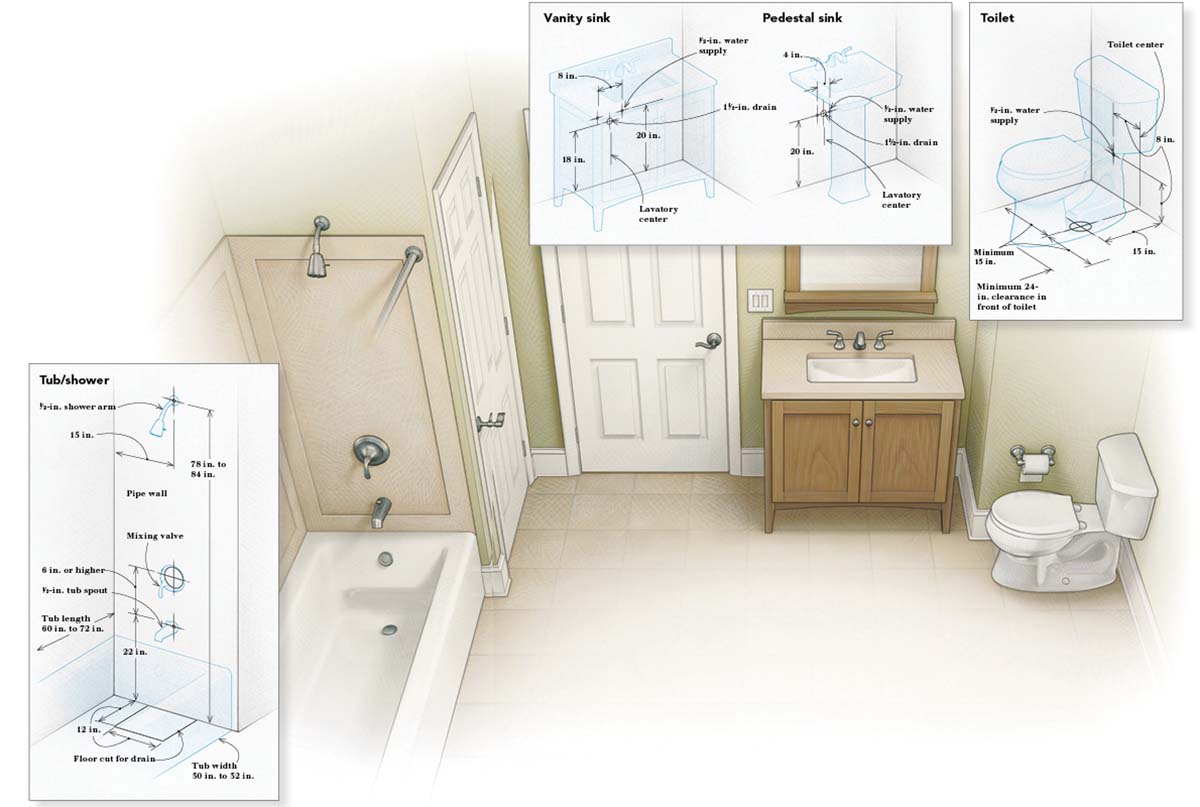
When designing or renovating a bathroom, the plumbing layout is one of the most crucial factors to consider for functionality and efficiency. A well-planned plumbing system not only ensures a smooth water flow but also minimizes future maintenance and repair costs. This article aims to guide you on optimizing your bathroom plumbing layout for maximum efficiency, comfort, and sustainability.
Understanding the Basics of Bathroom Plumbing
Before diving into the optimization techniques, let’s first understand the basics of bathroom plumbing. There are two main plumbing systems in a bathroom: the water supply system and the drainage system. The water supply system delivers clean water, while the drainage system removes wastewater. Both systems must work in harmony to ensure the bathroom functions effectively.
Key Components of Bathroom Plumbing
- Water Supply Lines: These supply water to fixtures such as sinks, showers, and toilets. They typically consist of hot and cold water lines.
- Drain Pipes: These pipes carry wastewater away from the fixtures to the main sewer line.
- Vent Pipes: Ventilation pipes help maintain proper air pressure in the drainage system, preventing water locks and ensuring smooth flow.
- Traps: These are U-shaped pipes located beneath sinks and other fixtures to prevent sewer gases from entering the bathroom.
Planning the Plumbing Layout
A strategic layout can significantly enhance the efficiency of your bathroom plumbing. Here are some steps to consider when planning the layout:
Assess the Bathroom Space
Start by measuring the bathroom space and identifying the location of existing plumbing lines. Consider the position of windows, doors, and electrical outlets, as these can influence the placement of fixtures.
Determine Fixture Placement
Identify where you want to place essential fixtures such as the toilet, sink, and shower or bathtub. Grouping fixtures close together can reduce the amount of plumbing required, which can save on costs and simplify the layout.
Consider Future Needs
Think about potential future changes or additions. Leaving room for additional fixtures or technologies can save time and money in the long run. For instance, if you plan to install a bidet or a dual-flush toilet later, consider their placement now.
Optimizing Water Supply Lines
Efficient water supply lines ensure that fixtures receive adequate water pressure and temperature. Here’s how you can optimize them:
Use the Right Pipe Material
Choose materials that are durable and appropriate for your water supply system. Common materials include copper, PEX, and CPVC. Each has its advantages, such as flexibility, resistance to corrosion, and cost-effectiveness.
Minimize Pipe Length and Bends
The shorter and straighter the pipes, the better the water pressure and the more efficient the system. Plan the layout to minimize pipe length and unnecessary bends, which can cause pressure drops.
Install Pressure Regulators
Install pressure regulators to maintain consistent water pressure throughout the bathroom. This reduces the risk of leaks and prolongs the life of plumbing fixtures.
Improving Drainage Efficiency
An efficient drainage system quickly and effectively removes wastewater, reducing the chance of clogs and backups. Consider these tips for optimizing drainage:
Ensure Proper Slope
Drain pipes should have a slight downward slope, typically 1/4 inch per foot, to allow gravity to assist in moving wastewater away from the fixtures efficiently.
Use Appropriate Pipe Sizes
Ensure that the drain pipes are of adequate size to handle the volume of wastewater. Oversized pipes can lead to slow drainage, while undersized pipes may cause frequent clogs.
Install Vents Correctly
Proper ventilation is crucial for maintaining a balanced air pressure in the drainage system. Ensure that vent pipes are installed correctly to prevent water lock and ensure smooth drainage.
Enhancing Energy Efficiency
Optimizing your bathroom plumbing layout can also contribute to energy efficiency, reducing both water and energy consumption:
Install Low-Flow Fixtures
Consider installing low-flow faucets, showerheads, and toilets to reduce water usage without compromising performance. These fixtures can significantly reduce water bills and environmental impact.
Insulate Hot Water Pipes
Insulating hot water pipes reduces heat loss, allowing hot water to reach fixtures more quickly and reducing the energy needed to heat water.
Consider a Tankless Water Heater
A tankless water heater provides hot water on demand, eliminating the energy losses associated with storing hot water in a tank. Position it close to the bathroom to reduce the time it takes for hot water to reach the fixtures.
Conclusion
Optimizing your bathroom plumbing layout is a crucial step in creating a functional, efficient, and sustainable space. By understanding the basics of plumbing systems and considering factors such as fixture placement, pipe material, drainage efficiency, and energy-saving measures, you can design a bathroom that meets your needs while minimizing future costs and environmental impact. Careful planning and execution can result in a bathroom that not only operates efficiently but also enhances the comfort and value of your home.
