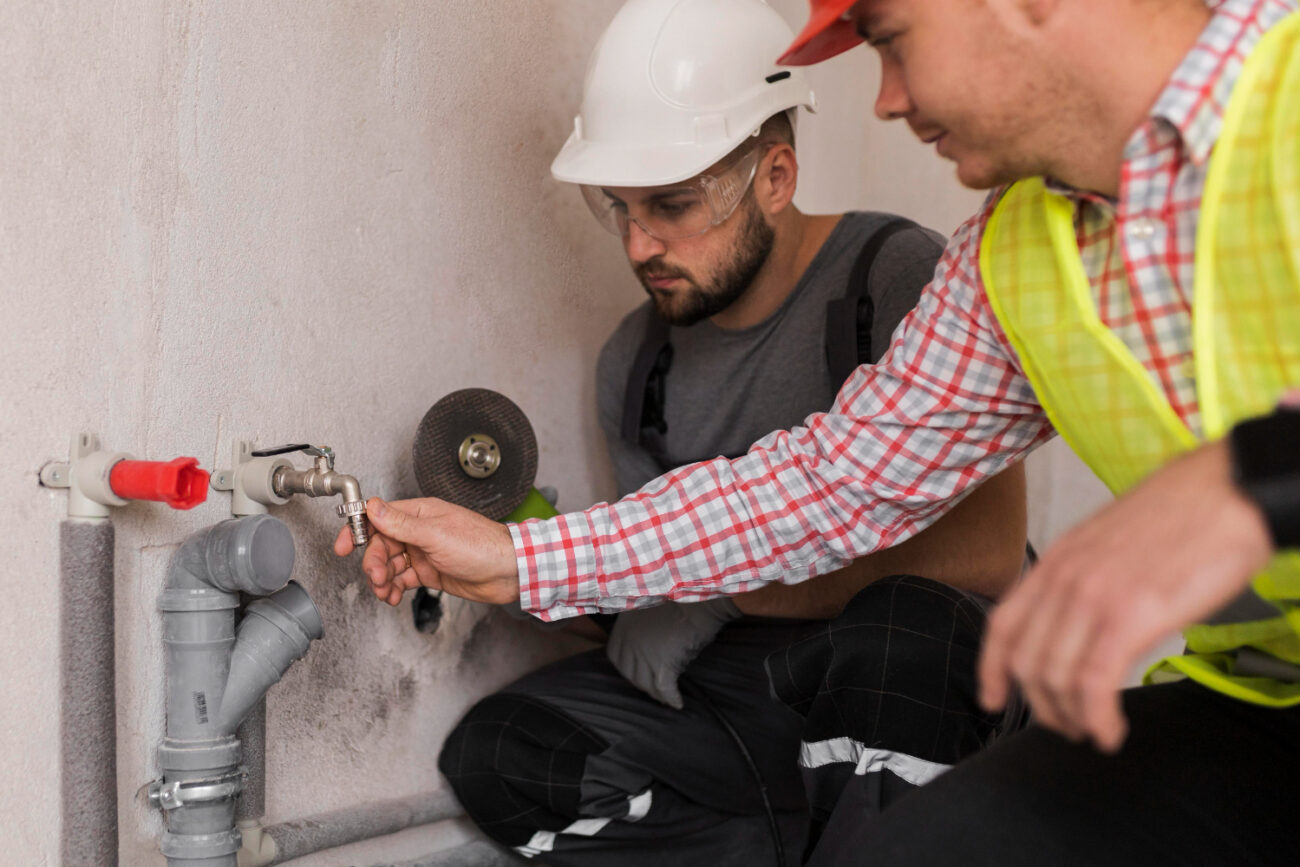
A well-maintained plumbing system is crucial for any homeowner. It ensures the smooth operation of water flow and drainage, prevents costly repairs, and promotes a healthy living environment. Despite its importance, plumbing maintenance is often overlooked until a major issue arises. This article provides essential plumbing maintenance tips for homeowners, helping you avoid common pitfalls and keep your system running efficiently.
Understanding Your Plumbing System
Before diving into maintenance tips, it’s essential to understand the key components of your plumbing system. Typically, it includes water supply lines, drain pipes, fixtures, and appliances. Water supply lines bring fresh water into your home, while drain pipes remove wastewater. Fixtures like sinks, toilets, and showers, and appliances such as water heaters and dishwashers, depend on these lines to function.
Regular Inspection: A Proactive Approach
Regular inspection is the foundation of effective plumbing maintenance. By conducting routine checks, you can identify potential issues before they escalate. Here’s what you should include in your inspection:
Check for Leaks
Leaks can lead to water damage and increased utility bills. Inspect visible pipes, faucets, and fixtures for signs of leakage. Pay attention to water stains on ceilings or walls and listen for dripping sounds.
Examine Water Pressure
Low water pressure can indicate a problem in your plumbing system. Test the water pressure in all fixtures using a pressure gauge. Ideal home water pressure ranges from 40 to 60 psi.
Inspect Drains
Ensure that all drains are functioning correctly. Slow draining can be a sign of a blockage. Regularly clean them to prevent clogs caused by hair, soap scum, and debris.
Preventive Maintenance Tips
Preventive maintenance can save you from expensive repairs and extend the life of your plumbing system. Here are some tips to incorporate into your routine:
Use Drain Covers
Install drain covers in sinks and showers to catch hair and debris. This simple measure can significantly reduce the risk of clogs.
Mind What You Flush
Toilets are designed to handle human waste and toilet paper. Avoid flushing items like wipes, cotton balls, and sanitary products to prevent blockages.
Maintain Water Heater
Regularly flush your water heater to remove sediment build-up. This helps maintain efficiency and prolongs its lifespan. Check the temperature setting to ensure it’s not too high, typically around 120°F is ideal.
Insulate Pipes
In colder climates, insulating pipes can prevent freezing and bursting. Focus on pipes located in unheated areas like basements and attics.
Monitor Water Bill
A sudden increase in your water bill might indicate a leak. Monitor your usage and investigate any unexplained spikes.
DIY Fixes and When to Call a Professional
Some plumbing issues are simple enough for a DIY fix, while others require professional expertise. Knowing the difference can save you time and money.
DIY Fixes
Minor leaks and clogs can often be addressed with basic tools. Use a plunger for toilet or sink clogs, and apply plumber’s tape to minor pipe leaks.
When to Call a Professional
Complex issues, such as persistent leaks, sewer line problems, or water heater malfunctions, require professional intervention. Attempting to fix these without proper knowledge can worsen the problem.
Seasonal Plumbing Maintenance
Different seasons bring unique challenges to your plumbing system. Tailor your maintenance practices to address these changes:
Spring
Check for leaks or damage caused by winter freezing. Inspect outdoor faucets and hoses, and clean gutters to ensure proper drainage.
Summer
Summer often means increased water usage. Check your irrigation system for leaks and ensure your water heater is functioning efficiently to handle higher demand.
Fall
Prepare for winter by insulating pipes and disconnecting hoses. Clean gutters and downspouts to prevent clogs from falling leaves.
Winter
Prevent frozen pipes by maintaining adequate heating in your home. Let faucets drip during extremely cold weather to relieve pressure and prevent bursting.
Conclusion
Maintaining your plumbing system doesn’t have to be daunting. By following these essential tips, you can prevent common issues, extend the life of your system, and ensure the safety and comfort of your home. Regular inspections, preventive measures, and knowing when to seek professional help are key components of effective plumbing maintenance. Stay proactive, and your plumbing system will serve you well for years to come.
