Plumbing emergencies can strike at any time, leaving homeowners in a panic and often leading to costly repairs if not addressed promptly. Whether it’s a burst pipe, a stubborn clog, or a malfunctioning water heater, knowing how to respond can save both your sanity and your wallet. This guide provides quick solutions and essential tips to help you manage common plumbing emergencies efficiently.
Understanding Common Plumbing Emergencies
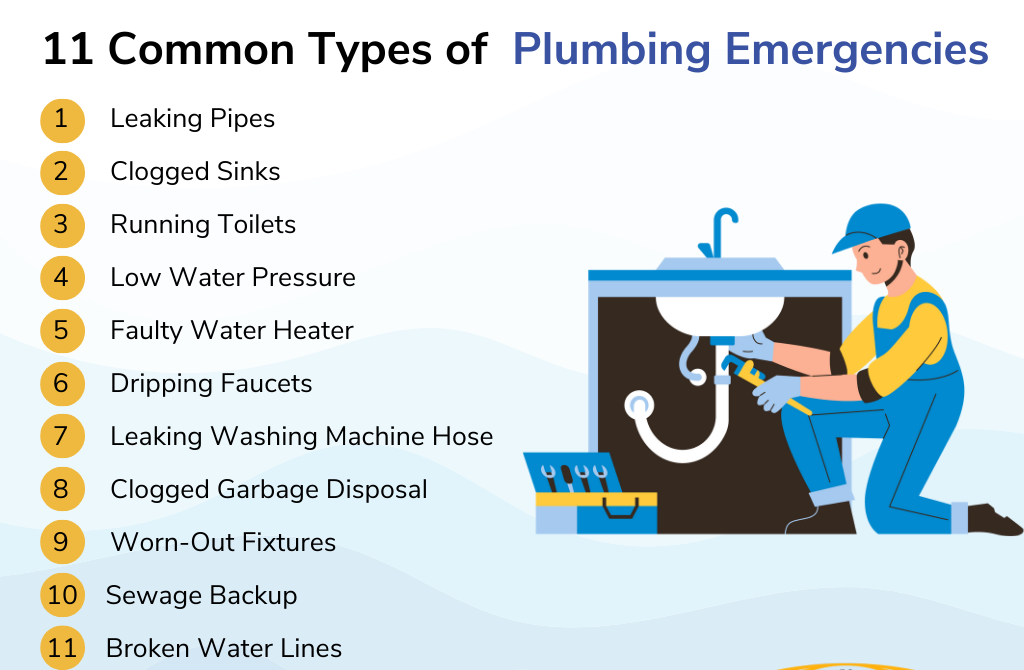
Before diving into solutions, it’s crucial to identify the types of plumbing emergencies you might encounter in your home. Common issues include:
- Burst Pipes: Often caused by freezing temperatures, high water pressure, or corrosion.
- Clogged Drains: Resulting from foreign objects, grease buildup, or hair.
- Leaking Faucets: Usually due to worn-out washers or seals.
- Running Toilets: Commonly caused by a faulty flapper valve.
- Water Heater Failures: Can be due to sediment buildup or faulty components.
Immediate Steps to Take in a Plumbing Emergency
When a plumbing emergency occurs, acting quickly can prevent further damage. Here’s what to do:
Shut Off the Water Supply
The first and most crucial step is to stop the flow of water. Locate the main shut-off valve in your home and turn it off. For localized issues, such as a leaking sink, use the individual shut-off valve beneath the fixture.
Assess the Situation
Once the water is off, identify the source of the problem. Understanding whether it’s a minor inconvenience or a major issue will help in determining the next steps and whether you need professional help.
Mitigate Water Damage
Use towels, buckets, and mops to soak up standing water and prevent further damage to floors and walls. If the problem is severe, consider using a wet/dry vacuum to remove excess water.
Quick Fixes for Common Plumbing Problems
While some emergencies require professional intervention, others can be resolved with basic tools and a bit of know-how. Here are some quick fixes for common plumbing issues:
Fixing a Burst Pipe
- Temporary Patch: Use pipe repair tape or a rubber pipe clamp as a temporary fix until a professional can replace the damaged section.
- Professional Help: For a long-term solution, consult a plumber to replace the burst pipe and inspect for further damage.
Unclogging Drains
- Plunger: A plunger can often dislodge minor blockages in sinks and toilets.
- Drain Snake: For tougher clogs, a drain snake can help break up debris and clear the pipe.
- Baking Soda and Vinegar: Pouring a mixture of baking soda and vinegar down the drain can help dissolve minor clogs.
Stopping a Leaking Faucet
- Replace Washers: Turn off the water supply and replace worn-out washers or seals to stop the leak.
- Check O-Rings: If the faucet continues to leak, inspect and replace any damaged O-rings.
Repairing a Running Toilet
- Inspect Flapper Valve: Ensure the flapper valve is sealing properly. Replace it if it’s worn or damaged.
- Adjust the Float: The float may need adjustment if the water level is too high in the tank.
Troubleshooting Water Heater Issues
- Check the Thermostat: Ensure the thermostat is set correctly. For gas heaters, check the pilot light.
- Flush the Tank: Sediment buildup can reduce efficiency. Flushing the tank can help restore performance.
Preventive Measures to Avoid Future Emergencies
Prevention is always better than cure. By taking proactive steps, you can reduce the risk of plumbing emergencies:
Regular Maintenance
Schedule regular inspections and maintenance to catch potential issues before they become emergencies. This includes checking for leaks, inspecting pipes, and servicing water heaters.
Insulate Pipes
In colder climates, insulating pipes can prevent freezing and bursting during the winter months.
Mind What You Flush
Only flush toilet paper and human waste. Avoid flushing items like wipes, sanitary products, or paper towels.
Be Careful with Grease
Pouring grease down the drain can lead to clogs. Dispose of grease in a container and throw it in the trash instead.
When to Call a Professional
While DIY solutions can address many minor issues, some situations require professional expertise:
- Severe Leaks: If a leak is severe or you can’t locate the source, call a plumber immediately.
- Persistent Clogs: If a clog doesn’t resolve after multiple attempts, it may require professional intervention.
- Major Water Heater Problems: Issues like water discoloration or lack of hot water might need a professional diagnosis.
Conclusion
Plumbing emergencies are inevitable, but with the right knowledge and preparation, you can handle these situations effectively. By following the tips and solutions outlined in this guide, you’ll be better equipped to manage emergencies, minimize damage, and decide when it’s time to call in a professional. Remember, regular maintenance and preventive measures are key to keeping your plumbing system in top condition and avoiding costly repairs in the future.
#ChatGPT assisted in the creation of this article.
