Plumbing systems are integral to modern living, providing access to clean water and ensuring efficient waste removal. Whether you’re a homeowner looking to understand your house’s plumbing or a DIY enthusiast eager to tackle minor repairs, having a fundamental knowledge of plumbing systems is invaluable. This comprehensive guide will explore the basics of plumbing systems, including their components, functionality, and maintenance tips.
The Core Components of Plumbing Systems
Understanding plumbing involves familiarizing yourself with its core components. Each part plays a crucial role in ensuring your plumbing system functions smoothly.
Water Supply System
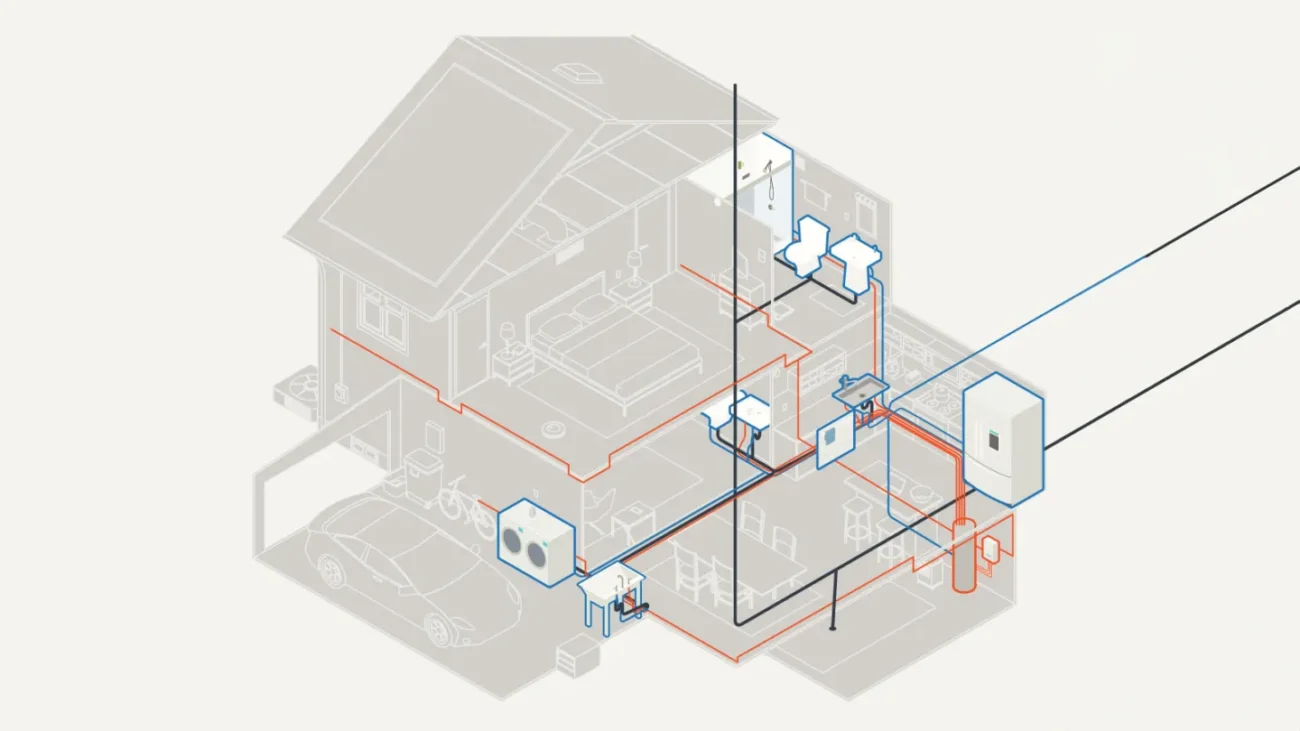
The water supply system is responsible for bringing fresh water into your home. It consists of pipes, valves, and fittings that deliver water from the main water source to various fixtures like sinks, showers, and toilets. Typically, water enters a home through a main supply line, which is often made of copper, PVC, or PEX.
Drain-Waste-Vent (DWV) System
The DWV system is crucial for removing wastewater and sewage from your home. It consists of drain pipes, waste pipes, and vent pipes. The drain pipes carry wastewater away from fixtures, while vent pipes allow sewer gases to escape and ensure proper drainage by maintaining atmospheric pressure within the system. Materials commonly used for DWV systems include PVC and cast iron.
Fixtures and Appliances
Plumbing fixtures and appliances are the visible elements of a plumbing system. They include sinks, toilets, showers, bathtubs, dishwashers, and washing machines. These components are connected to both the water supply and the DWV system, enabling them to function effectively.
How Plumbing Systems Work
Plumbing systems operate on two basic principles: water pressure and gravity. Understanding these principles is key to grasping how plumbing works.
Water Pressure
Water pressure is essential for delivering water to fixtures throughout a home. It is usually regulated by a water pressure regulator located near the main supply line. Proper water pressure ensures that water flows efficiently, providing adequate supply to all fixtures.
Gravity and Drainage
Gravity plays a fundamental role in drainage systems. Wastewater and sewage naturally flow downward due to gravity. Drain pipes are installed at a downward slope to facilitate this flow, ensuring that waste is efficiently removed from the home.
Common Plumbing Materials
The choice of materials in plumbing systems affects their durability, efficiency, and cost. Here are some common materials used in plumbing:
Copper
Copper is a traditional choice for water supply lines due to its durability and resistance to corrosion. It is suitable for both hot and cold water systems and is often used in older homes.
PVC
PVC (polyvinyl chloride) is a popular material for drain and vent pipes. It is lightweight, easy to install, and resistant to chemicals, making it an ideal choice for DWV systems.
PEX
PEX (cross-linked polyethylene) is a flexible and cost-effective material used for water supply lines. It is easy to install and resistant to freezing, making it a popular choice for modern plumbing systems.
Cast Iron
Cast iron is known for its durability and sound-dampening properties. It is commonly used for vertical drain, waste, and vent stacks in multi-story buildings.
Common Plumbing Issues and Solutions
Plumbing systems may encounter various issues over time. Understanding common problems and their solutions can help you address them promptly.
Leaky Faucets
Leaky faucets are a common issue that can waste water and increase utility bills. They are often caused by worn-out washers or seals. Replacing these components can usually solve the problem.
Clogged Drains
Clogged drains are caused by the accumulation of debris like hair, soap, and grease. Using a plunger or a drain snake can help clear minor clogs. For severe blockages, consider using a chemical drain cleaner or calling a professional plumber.
Running Toilets
A running toilet can waste a significant amount of water. It is usually caused by a faulty flapper valve or fill valve. Replacing these parts can help resolve the issue.
DIY Plumbing Tips
While some plumbing issues require professional intervention, many can be tackled with a DIY approach. Here are some tips for DIY plumbing:
Regular Maintenance
Regular maintenance can prevent many plumbing issues. Inspect your plumbing system periodically for leaks, corrosion, and other signs of wear. Address minor issues promptly to prevent them from escalating.
Use the Right Tools
Having the right tools is essential for DIY plumbing. Invest in basic tools like a pipe wrench, plunger, plumber’s tape, and a drain snake. These tools can help you address common plumbing issues effectively.
Know When to Call a Professional
While DIY can save money, some issues require professional expertise. If you’re unsure about a plumbing problem or if it involves major repairs, it’s best to consult a licensed plumber.
Conclusion
Understanding plumbing systems is crucial for maintaining a functional and efficient home. By familiarizing yourself with the components, functionality, and common issues of plumbing systems, you can address minor problems and perform basic maintenance. Remember that while DIY solutions are feasible for minor issues, don’t hesitate to seek professional help for complex problems. With this comprehensive guide, you’re now better equipped to navigate the world of plumbing systems confidently.
