Plumbing leaks can be a homeowner’s nightmare, often leading to water damage, increased utility bills, and even structural issues if left unchecked. However, with the right guidance, many leaks can be fixed quickly and efficiently. This comprehensive guide is designed to empower you with the knowledge and skills needed to tackle common plumbing leaks confidently, saving you time and money.
Understanding Plumbing Systems
Before diving into the repair process, it’s essential to have a basic understanding of plumbing systems. Most homes have two main plumbing systems: the water supply system and the drainage system. The water supply system brings fresh water into the home, while the drainage system carries wastewater away. Recognizing the components of these systems will help you identify leak sources and apply appropriate fixes.
Components of Plumbing Systems
– **Pipes:** The conduits for water flow, made from materials like copper, PVC, or PEX.
– **Fittings:** Connectors that join pipes together.
– **Valves:** Used to control water flow.
– **Fixtures:** Includes sinks, toilets, and showers where water is used or drained.
– **Traps and Vents:** Essential for drainage and preventing sewer gases from entering the home.
Common Leak Sources
Leaks can occur in various places, and identifying the source is the first step toward repair. Here are some common areas where leaks often develop:
Faucets
Faucet leaks are typically caused by worn-out washers, O-rings, or seals. Dripping faucets not only waste water but also increase water bills.
Pipes
Leaks in pipes can be due to corrosion, high water pressure, or loose connections. Pipe leaks, whether visible or hidden, can cause significant water damage.
Toilets
Toilet leaks often occur at the base or in the tank. A running toilet is usually due to a faulty flapper or fill valve.
Water Heaters
Leaks can occur at the tank or connections, often due to sediment build-up or high pressure.
Tools and Materials Needed
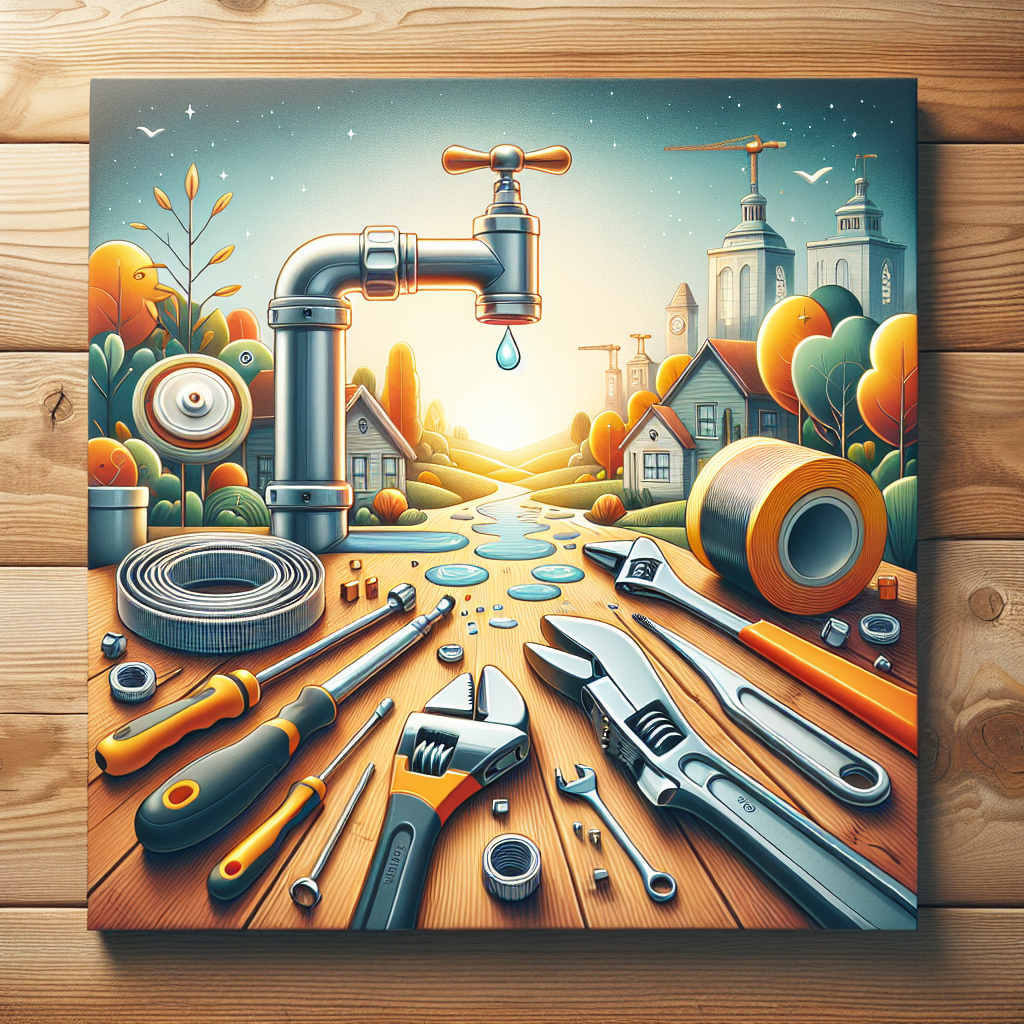
Having the right tools and materials on hand is crucial for efficient leak repair. Here’s a list of essentials:
– Adjustable wrench
– Pipe wrench
– Plumber’s tape (Teflon tape)
– Pipe cutter
– Plumber’s putty
– Pipe sealant
– Replacement washers, O-rings, and seals
– Bucket or pan
– Towels or rags
– Safety goggles and gloves
Step-by-Step Repair Guide
Fixing a Leaky Faucet
1. **Turn Off the Water Supply:** Locate the shut-off valve under the sink and turn it off.
2. **Disassemble the Faucet:** Remove the handle by loosening the screw underneath or behind it.
3. **Remove the Stem or Cartridge:** Use a wrench to unscrew the stem or cartridge.
4. **Replace Worn-Out Parts:** Inspect washers, O-rings, and seals. Replace any worn or damaged parts.
5. **Reassemble the Faucet:** Put the faucet back together and turn on the water supply to check for leaks.
Repairing Leaky Pipes
1. **Identify the Leak:** Look for signs of moisture or water stains on walls and ceilings.
2. **Shut Off the Water:** Turn off the main water supply.
3. **Dry the Area:** Use towels to dry the area around the leak.
4. **Apply a Temporary Fix:** Use plumber’s tape or pipe sealant as a temporary measure.
5. **Replace the Damaged Section:** Cut out the damaged pipe section and replace it with a new one using appropriate fittings.
Stopping Toilet Leaks
1. **Inspect the Flapper:** Remove the tank lid and check the flapper for damage. Replace if necessary.
2. **Check the Fill Valve:** Ensure the fill valve is functioning correctly and adjust the float if needed.
3. **Replace the Wax Ring:** If the leak is at the base, remove the toilet and replace the wax ring.
Fixing Water Heater Leaks
1. **Turn Off the Power and Water Supply:** For electric heaters, turn off the power; for gas heaters, turn off the gas supply.
2. **Drain the Tank:** Attach a hose to the drain valve and empty the tank.
3. **Inspect Connections:** Tighten or replace any leaking connections.
4. **Replace the Pressure Relief Valve:** If the valve is leaking, replace it with a new one.
Preventive Measures
Preventing leaks is often easier and more cost-effective than repairs. Implement these measures to minimize the risk of future leaks:
Regular Maintenance
– Inspect plumbing fixtures and pipes regularly for signs of wear or corrosion.
– Flush water heaters annually to remove sediment build-up.
– Check water pressure and install a pressure regulator if needed.
Use Quality Materials
– Invest in high-quality fixtures and pipes to reduce the likelihood of leaks.
– Use plumber’s tape and sealant on all threaded connections.
When to Call a Professional
While many leaks can be fixed with DIY methods, some situations require professional help. Call a plumber if you encounter:
– Persistent or severe leaks that DIY methods can’t resolve.
– Leaks in hard-to-reach or hidden areas.
– Water damage involving electrical components.
– Signs of mold growth or structural damage.
Conclusion
Plumbing leaks can be daunting, but with the right knowledge and tools, you can tackle many repairs yourself. By following this guide, you’ll be well-equipped to identify, fix, and prevent common plumbing leaks, ensuring your home remains leak-free and your plumbing system functions efficiently. Remember, when in doubt, don’t hesitate to call a professional to prevent further damage.
Further Resources
For more detailed instructions and visual aids, consider the following resources:
– **Online Tutorials:** Websites like YouTube offer step-by-step video guides on plumbing repairs.
– **Home Improvement Books:** Books dedicated to DIY home repairs often include sections on plumbing.
– **Local Hardware Stores:** Many stores offer workshops or advice on common plumbing issues.
By equipping yourself with knowledge and the right tools, you can master the art of plumbing repairs and keep your home safe and dry.
