
Plumbing is an essential trade that ensures the proper functioning of water and sewage systems in both residential and commercial settings. However, the nature of plumbing work exposes professionals to various risks and hazards. From dealing with pressurized systems to working in confined spaces, plumbers face potential dangers daily. To mitigate these risks and ensure a safe working environment, it is crucial to equip oneself with essential plumbing safety equipment. This article delves into the vital safety gear every plumber should have for optimal protection.
Understanding Plumbing Hazards
Before discussing the essential safety equipment, it is important to understand the hazards that plumbers face. These hazards include:
1. Chemical Exposure
Plumbers often work with substances like soldering flux, cleaning agents, and adhesives, which can be harmful if inhaled or if they come into contact with skin.
2. Physical Injuries
The risk of cuts, bruises, and broken bones is ever-present due to sharp tools, heavy lifting, and awkward working positions.
3. Electrical Hazards
Working near electrical circuits poses a risk of electric shock, especially in wet environments.
4. Confined Spaces
Plumbers frequently work in cramped spaces that may lack adequate ventilation, increasing the risk of asphyxiation or exposure to toxic gases.
5. Biological Hazards
Exposure to sewage systems can lead to contact with harmful bacteria and viruses, posing significant health risks.
Essential Plumbing Safety Equipment
To effectively counter these hazards, plumbers should invest in the following safety equipment:
1. Personal Protective Equipment (PPE)
Eye Protection
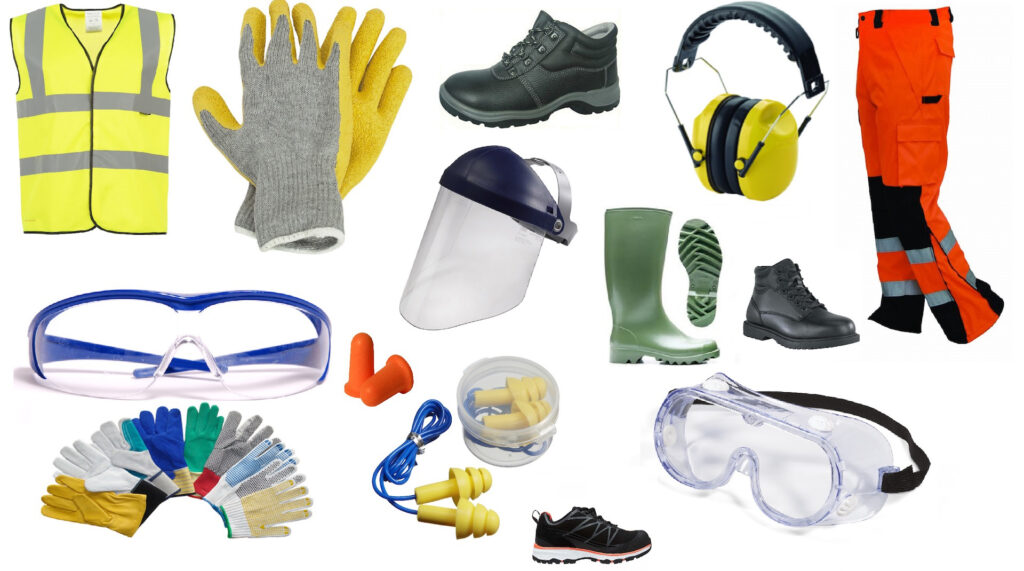
Safety goggles or face shields are crucial for protecting the eyes from flying debris, chemical splashes, and dust. Eye protection is especially important during tasks such as cutting pipes or using power tools.
Respiratory Protection
Depending on the task, a basic dust mask may suffice, but in cases of exposure to hazardous fumes, a respirator with appropriate filters is necessary. This equipment protects the respiratory system from harmful vapors and airborne particles.
Hand Protection
Gloves are indispensable in plumbing work. Nitrile gloves provide chemical resistance, while heavy-duty gloves protect against cuts and abrasions. Ensure gloves are well-fitted for dexterity and comfort.
Foot Protection
Steel-toed boots are essential for safeguarding feet from heavy objects and sharp tools. Additionally, slip-resistant soles help prevent falls on wet surfaces.
Hearing Protection
In environments with high noise levels, such as when using power tools, earplugs or earmuffs are vital to prevent hearing damage.
2. Tools and Equipment
Insulated Tools
Using insulated tools can prevent electrical shock. These tools are designed to handle live circuits safely, which is crucial when working near electrical systems.
Pipe Wrenches with Safety Features
Modern pipe wrenches with safety features, such as non-slip grips and adjustable jaws, reduce the risk of accidents and improve efficiency.
Flashlights or Headlamps
Adequate lighting is necessary when working in dark or confined spaces. Hands-free headlamps allow plumbers to focus on tasks without holding a flashlight.
Safety Harnesses and Lanyards
When working at heights or in deep trenches, safety harnesses and lanyards prevent falls, which are among the leading causes of workplace injuries.
3. Additional Safety Measures
First Aid Kit
A well-stocked first aid kit should always be on hand to address minor injuries promptly. It should include bandages, antiseptic wipes, adhesive tape, and other basic medical supplies.
Fire Extinguishers
In environments where flammable materials are present, a fire extinguisher is crucial for quickly addressing any fires that may arise.
Gas Detection Devices
Confined spaces may have toxic gases that are not detectable by smell. Gas detection devices alert plumbers to dangerous levels of gases like carbon monoxide or methane.
Implementing Safety Protocols
Possessing the right equipment is only part of ensuring safety. Plumbers must also adhere to strict safety protocols to maximize protection:
1. Regular Training
Continuous education on the latest safety practices and equipment is vital. Plumbers should participate in regular training sessions to stay updated on industry standards.
2. Routine Equipment Inspections
Regularly inspecting safety equipment for wear and tear ensures that all gear is in good working condition. Damaged equipment should be replaced immediately.
3. Proper Worksite Evaluation
Before commencing work, conduct a thorough evaluation of the worksite to identify potential hazards. This assessment helps in planning how to mitigate risks effectively.
Conclusion
Plumbing is a challenging yet rewarding profession that demands a high level of safety awareness. By understanding the inherent hazards and equipping oneself with essential safety equipment, plumbers can significantly reduce the risk of injury and ensure a safer working environment. Personal protective equipment, specialized tools, and adherence to safety protocols collectively contribute to optimal protection. Investing in these safety measures not only safeguards the health and well-being of plumbers but also enhances their efficiency and productivity. It is imperative for every plumbing professional to prioritize safety as an integral part of their daily operations.
