
When it comes to bathroom plumbing, one common issue that homeowners face is low toilet water pressure. This problem can be frustrating and lead to inefficient flushing, which may result in frequent clogs and additional maintenance. Boosting toilet water pressure can significantly enhance the functionality of your bathroom and ensure that your plumbing system operates efficiently. In this article, we will unveil expert tips to help you improve your toilet’s water pressure, providing a comprehensive guide for homeowners seeking practical solutions.
Understanding Toilet Water Pressure
Before diving into the solutions, it is essential to understand what toilet water pressure is and how it affects your plumbing system. Water pressure in the context of toilets refers to the force with which water is delivered to the toilet bowl during a flush. Adequate water pressure is necessary for efficient flushing, which ensures that waste is completely removed and the bowl is cleaned properly.
The Role of Toilet Design
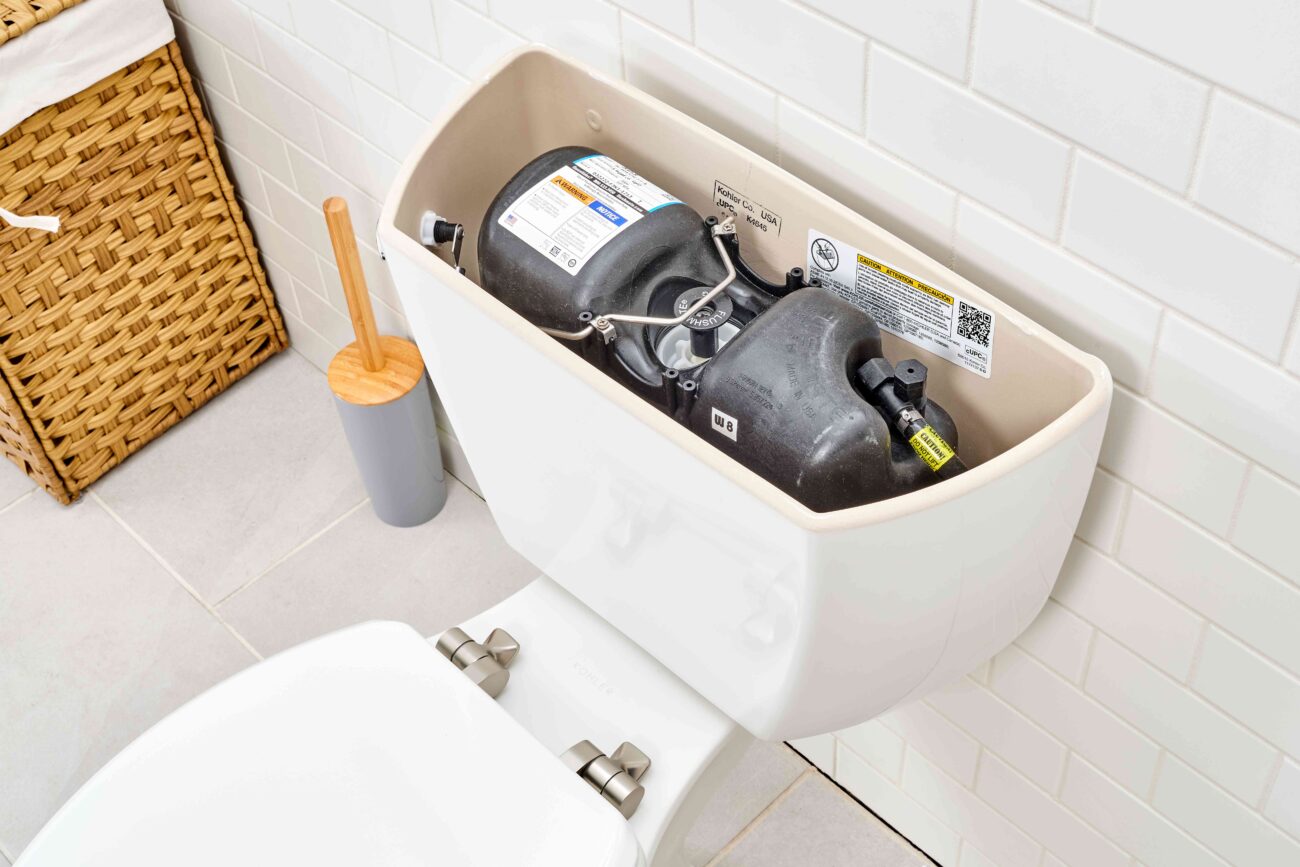
Toilet design plays a crucial role in determining water pressure. Gravity-fed toilets rely on the gravitational pull from the tank to the bowl, whereas pressure-assisted toilets use compressed air to increase water force. Understanding the type of toilet you have will help you determine the best approach to boosting water pressure.
Common Causes of Low Toilet Water Pressure
Identifying the root cause of low water pressure is the first step in resolving the issue. Here are some common culprits:
Clogged Pipes
Over time, mineral deposits, debris, and other materials can accumulate inside the pipes, restricting water flow and reducing pressure.
Faulty Fill Valve
The fill valve controls the refill of the toilet tank. A malfunctioning fill valve can lead to insufficient water supply, affecting the overall pressure.
Leaky Toilet Tank
Leaks in the toilet tank can cause a drop in water pressure as water escapes instead of being directed towards flushing.
Low Water Supply Pressure
Sometimes the issue lies outside the bathroom, with the main water supply line providing inadequate pressure to the entire plumbing system.
Expert Tips to Boost Toilet Water Pressure
Once you have identified potential causes, you can apply the following expert tips to enhance your toilet’s water pressure:
Inspect and Clean the Pipes
Start by examining the pipes for any visible clogs or debris. Use a pipe cleaner or a plumber’s snake to remove any obstructions. For mineral deposits, consider using a vinegar solution to dissolve the buildup.
Adjust the Fill Valve
Check the fill valve to ensure it is functioning correctly. Adjust the float mechanism to allow more water into the tank, increasing the pressure during flushing. If the fill valve is damaged, consider replacing it with a high-quality model.
Seal Any Leaks
Inspect the toilet tank for leaks by adding a few drops of food coloring to the tank water. If you notice colored water in the bowl before flushing, you have a leak. Repair any leaks by replacing worn-out flappers or gaskets.
Check the Main Water Supply
If the problem persists, investigate the main water supply line. Ensure that the shut-off valve is fully open and that there are no blockages or leaks in the supply line. You may need to contact your local water provider if the issue is beyond your control.
Advanced Solutions for Persistent Issues
If the basic troubleshooting steps do not resolve the issue, you may need to explore more advanced solutions:
Install a Pressure-Assist Toilet
Consider upgrading to a pressure-assist toilet. These toilets use a separate tank to compress air, resulting in a more powerful flush. Although more expensive than traditional gravity-fed models, they are highly effective in boosting water pressure.
Use a Toilet Pump
A toilet pump can be installed to increase the water pressure in the toilet. This device is particularly useful in homes with low overall water pressure and can be a cost-effective alternative to replacing the entire toilet.
Consult a Professional Plumber
If all else fails, it may be time to consult a professional plumber. An expert can perform a thorough inspection, identify underlying plumbing issues, and provide tailored solutions to boost toilet water pressure effectively.
Preventive Measures to Maintain Optimal Water Pressure
Once you have successfully boosted your toilet’s water pressure, it’s important to take preventive measures to maintain it:
Regular Maintenance
Schedule regular maintenance checks for your plumbing system. Inspect and clean pipes, valves, and the toilet tank periodically to prevent future pressure issues.
Monitor Water Quality
Hard water can contribute to mineral buildup in pipes, affecting water pressure. Consider installing a water softener to prevent this issue and prolong the lifespan of your plumbing system.
Stay Informed
Stay informed about your local water supply conditions. If there are changes in water pressure or quality in your area, take proactive measures to address potential impacts on your plumbing.
Conclusion
Boosting toilet water pressure is not only essential for efficient flushing but also contributes to the overall functionality of your bathroom plumbing. By understanding the common causes of low water pressure and applying expert tips, you can enhance your toilet’s performance and prevent future issues. Whether through simple adjustments or advanced solutions, taking the time to address water pressure problems will ensure a smooth and reliable plumbing system in your home. Remember, if in doubt, consulting a professional plumber can save you time and effort in the long run.
