
Dealing with a clogged sink drain is a common household issue that can disrupt daily life. Whether it’s a kitchen sink filled with food debris or a bathroom sink overwhelmed by hair and soap scum, a clogged drain is inconvenient and can lead to more severe plumbing issues if not addressed promptly. This article provides expert tips and techniques to successfully unclog sink drains, ensuring smooth water flow and maintaining a healthy plumbing system.
Understanding the Causes of Clogged Drains
Before diving into the solutions, it’s essential to understand the common causes of clogged drains. In the kitchen, food particles, grease, and oil are typical culprits. Over time, these materials accumulate and form a blockage. In the bathroom, hair, soap residue, and toothpaste are the usual suspects. Knowing the cause of the blockage can help you choose the most effective method to clear it.
Essential Tools for Unclogging Sink Drains
Having the right tools on hand can make the unclogging process much easier. Some essential tools include:
- Plunger: A sink plunger with a flat rim is perfect for creating a seal over the drain.
- Plumber’s Snake or Auger: This tool can reach deep into pipes to break up blockages.
- Pipe Wrench: Useful for removing drain traps if necessary.
- Baking Soda and Vinegar: A natural cleaning solution that can help dissolve minor clogs.
- Bucket and Towels: To catch any water spills and clean up the area.
Step-by-Step Guide to Unclogging Sink Drains
Follow these steps to effectively unclog your sink drain:
1. Assess the Situation
Begin by assessing the severity of the clog. If water drains slowly, the clog might be minor and near the surface. If the sink is entirely blocked, the clog may be deeper in the plumbing system.
2. Use a Plunger
A plunger is often the first line of defense against clogs. Follow these steps:
- Fill the sink with enough water to cover the plunger’s cup.
- Place the plunger over the drain, ensuring a tight seal.
- Vigorously plunge up and down several times, then quickly pull the plunger away to see if the water drains.
- Repeat as necessary until the clog is cleared.
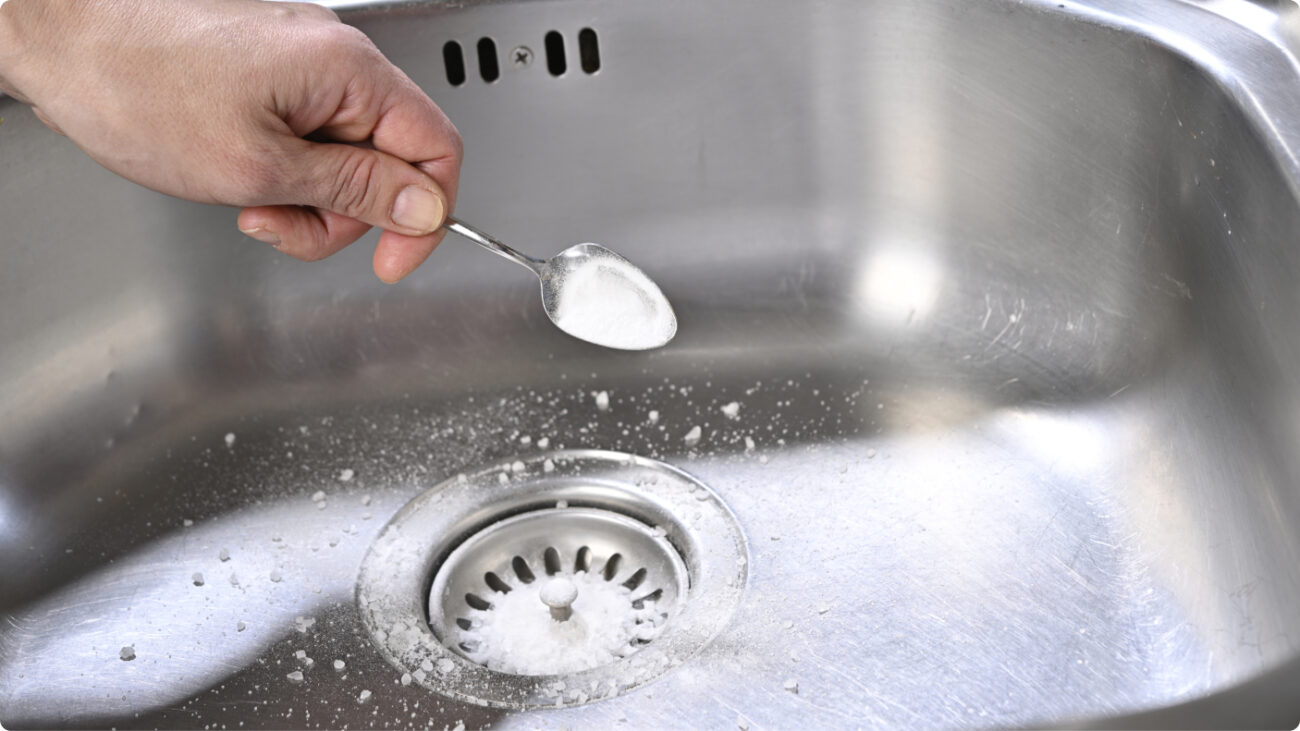
3. Apply Baking Soda and Vinegar
For minor clogs, a natural solution of baking soda and vinegar can be effective:
- Pour one cup of baking soda down the drain.
- Follow with one cup of vinegar and immediately cover the drain with a plug or cloth.
- Let the mixture sit for 15-30 minutes to allow the chemical reaction to break down the clog.
- Flush the drain with hot water to clear the debris.
4. Use a Plumber’s Snake
If the clog persists, a plumber’s snake can reach deeper into the pipes:
- Insert the snake into the drain and push it through the pipe until you feel resistance.
- Turn the handle clockwise to break up the clog.
- Gently pull the snake out, removing any debris that comes with it.
- Run hot water to ensure the drain is clear.
5. Check the P-Trap
If the above methods fail, the clog might be in the P-trap—the curved section of the pipe under the sink:
- Place a bucket under the P-trap to catch any water.
- Use a wrench to loosen the slip nuts on both ends of the trap.
- Remove the trap and clear any debris inside.
- Reassemble the trap and check for leaks before using the sink.
Preventing Future Clogs
Preventive maintenance is key to avoiding future clogs. Consider these tips:
- Use Drain Guards: Install drain guards to catch food particles and hair before they enter the drain.
- Avoid Pouring Grease: Never pour grease or oil down the sink. Instead, dispose of it in a container.
- Regular Cleaning: Periodically clean drains with baking soda and vinegar to prevent buildup.
- Run Hot Water: After using the sink, run hot water to help clear any remaining debris.
When to Call a Professional
While many clogs can be resolved with DIY methods, there are times when it’s best to call a professional plumber:
- Persistent Clogs: If the clog persists despite multiple attempts to clear it, professional intervention may be necessary.
- Frequent Clogs: Regular clogs could indicate a more serious issue with the plumbing system.
- Foul Odors: Unpleasant smells may suggest a deeper problem that requires professional attention.
Conclusion
Unclogging sink drains doesn’t have to be a daunting task. With the right tools, techniques, and preventive measures, you can maintain free-flowing drains and avoid the inconvenience of clogs. By understanding the causes, using effective methods, and knowing when to seek professional help, you can ensure your plumbing system remains in good working order. Remember, regular maintenance is key to preventing clogs and keeping your home running smoothly.
