
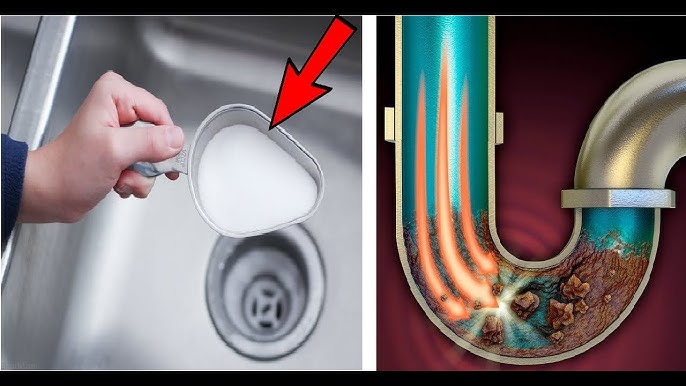
Pipe Unclogging
Clogged pipes are a common household issue that can disrupt daily activities and cause significant inconvenience. While calling a professional plumber is always an option, many clogs can be effectively addressed with some basic DIY techniques. This article will guide you through essential methods to unclog pipes, ensuring you can tackle minor plumbing issues without breaking the bank.
Understanding Common Causes of Pipe Clogs
Before diving into unclogging techniques, it’s crucial to understand what typically causes pipes to clog. Common culprits include:
Accumulation of Debris
Over time, hair, soap scum, food particles, and other debris can accumulate in pipes, leading to blockages.
Oil and Grease Build-up
Pouring oils and grease down the kitchen sink can solidify and attach to the walls of pipes, causing serious clogs.
Mineral Deposits
Hard water can leave mineral deposits in pipes, gradually narrowing the passageway and reducing water flow.
Foreign Objects
Small objects accidentally flushed down the toilet or washed down the sink can cause blockages.
Essential Tools for DIY Pipe Unclogging
Having the right tools on hand is crucial for effective pipe unclogging. Here are some essentials every DIY enthusiast should consider:
Plunger
A plunger is a versatile tool that can be used to clear clogs in toilets, sinks, and showers. It works by creating a vacuum that dislodges blockages.
Drain Snake
A drain snake, or auger, is a flexible tool that can reach deep into pipes to break up or retrieve clogs.
Pipe Wrench
A pipe wrench is useful for loosening and tightening pipe fittings, particularly when removing or replacing sections of pipe.
Bucket and Towels
Keeping a bucket and towels nearby can help manage spills and keep your workspace clean during plumbing tasks.
DIY Techniques for Unclogging Pipes
Here are some tried-and-true DIY techniques to help you unclog pipes effectively:
Plunging
Plunging is a straightforward method that can often clear clogs in toilets and sinks. To plunge effectively:
– Ensure there is enough water in the fixture to cover the plunger’s rubber cup.
– Place the plunger over the drain, ensuring a tight seal.
– Push down firmly and then pull up quickly to create suction.
– Repeat several times until the clog is dislodged.
Baking Soda and Vinegar
This natural remedy is effective for minor clogs. The chemical reaction between baking soda and vinegar can help break down debris:
– Pour a cup of baking soda down the drain.
– Follow with a cup of vinegar.
– Wait for the fizzing to subside, then flush the drain with hot water.
Using a Drain Snake
A drain snake is effective for clogs deeper within the plumbing system:
– Insert the snake into the drain until you feel resistance.
– Rotate the snake to break up the clog or hook it and pull it out.
– Continue this process until the blockage is cleared.
Boiling Water
For grease-based clogs, boiling water can help melt and flush away the obstruction:
– Boil a kettle of water.
– Slowly pour the boiling water down the drain in stages, allowing it to work through the clog.
Removing the P-trap
If none of the above methods work, the clog may be located in the P-trap, the curved section of pipe beneath sinks:
– Place a bucket underneath the P-trap to catch water.
– Use a pipe wrench to loosen the slip nuts on either side of the P-trap.
– Remove the P-trap and clean out any debris.
– Reassemble the P-trap and check for leaks.
Preventing Future Clogs
Prevention is the best strategy to avoid future plumbing issues. Here are some tips to keep your pipes clear:
Regular Maintenance
Perform regular maintenance by flushing drains with hot water and a solution of baking soda and vinegar to prevent build-up.
Proper Disposal
Avoid pouring grease, oils, and food scraps down the sink. Use a grease trap or dispose of them in the trash.
Use Drain Screens
Install drain screens in sinks and showers to catch hair and debris, reducing the likelihood of clogs.
When to Call a Professional
While DIY techniques can resolve many minor clogs, there are times when professional intervention is necessary:
Persistent Clogs
If a clog persists despite trying multiple DIY methods, it may require professional equipment and expertise to resolve.
Multiple Clogged Drains
Simultaneous clogs in multiple fixtures may indicate a more significant issue, such as a blockage in the main sewer line.
Water Backups
Water backing up from drains is a serious issue that should be addressed by a professional plumber immediately.
Conclusion
Mastering DIY pipe unclogging techniques can save you time and money while empowering you to tackle common household plumbing issues. By understanding the causes of clogs, using the right tools, and applying effective methods, you can keep your pipes flowing smoothly. Remember, regular maintenance and prevention are key to avoiding future problems. If a clog proves too challenging, don’t hesitate to call a professional plumber to ensure your plumbing system remains in top condition.
