
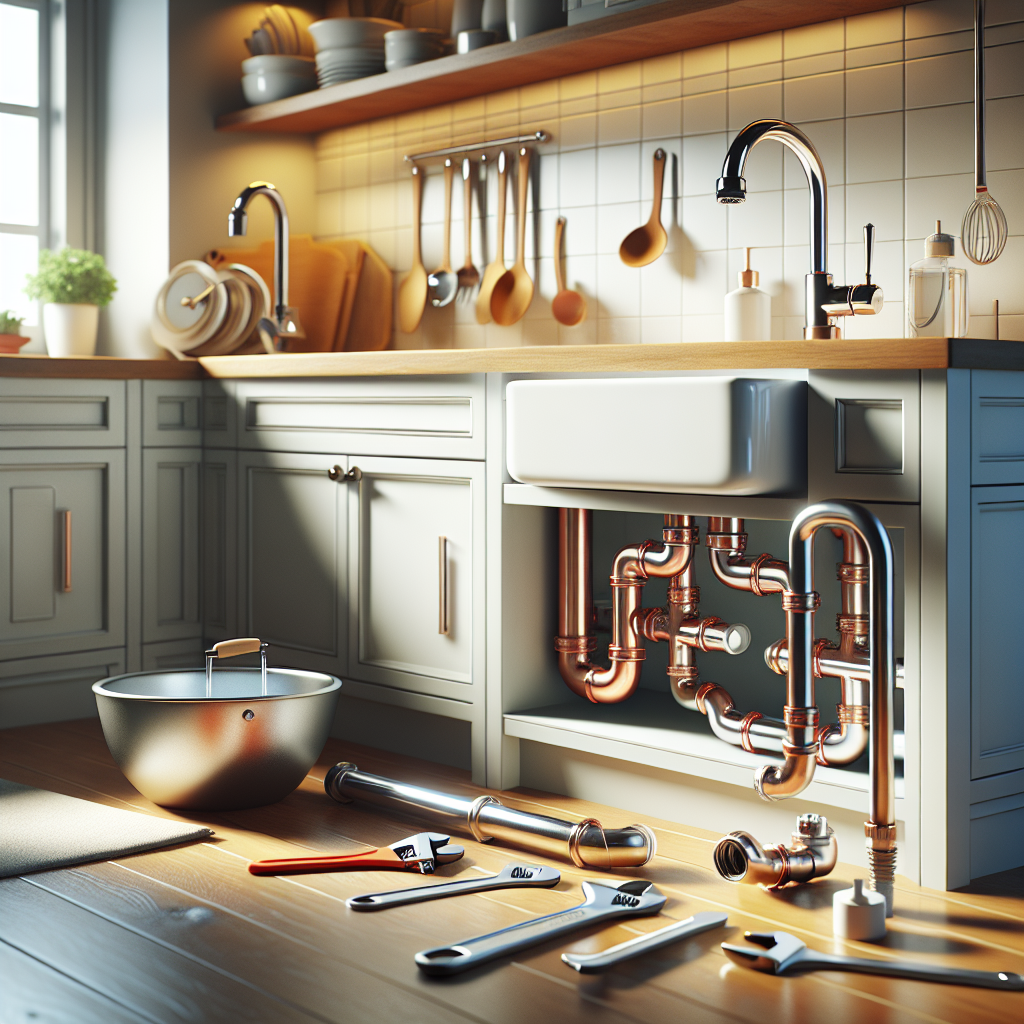
The kitchen is often considered the heart of the home, and maintaining its plumbing system is crucial for its longevity and functionality. From the sink and garbage disposal to the dishwasher and ice maker, several components rely on efficient plumbing. Regular maintenance not only extends the life of these systems but also prevents costly repairs and unexpected breakdowns. This comprehensive guide will delve into essential kitchen plumbing maintenance tips to ensure your kitchen remains in optimal working condition for years to come.
Regularly Inspect for Leaks
One of the simplest yet most effective ways to maintain your kitchen plumbing is by regularly inspecting for leaks. Leaks can occur in various places, including under the sink, around the dishwasher, and near the refrigerator’s water line. Even minor leaks can lead to significant water wastage and damage over time. Regularly check for moisture, water spots, or mold growth, and address any issues promptly. Replacing worn-out washers or tightening loose connections can often resolve minor leaks.
Maintain the Kitchen Sink
The kitchen sink is arguably the most used plumbing fixture in the home. Proper maintenance can prevent clogs, leaks, and other issues. First, avoid pouring grease, coffee grounds, or fibrous foods down the drain, as these can cause blockages. Instead, dispose of them in the trash or compost. Secondly, use a sink strainer to catch food particles and debris. Regularly clean the strainer and flush the sink with hot water to clear any buildup. Once a month, consider using a natural drain cleaner, such as a mixture of baking soda and vinegar, to keep the pipes clear.
Garbage Disposal Care
The garbage disposal is an invaluable kitchen tool, but it requires proper care to function efficiently. Always run cold water while using the disposal to help solidify grease and fats, making them easier to chop and flush away. Avoid disposing of hard items like bones, shells, or pits, as they can damage the blades. Additionally, fibrous foods like celery or corn husks can wrap around the blades and cause jams. To keep the disposal clean and odor-free, grind citrus peels and ice cubes regularly. If you notice any strange noises or odors, it may be time for a thorough inspection or professional servicing.
Dishwasher Maintenance
The dishwasher is another crucial component of kitchen plumbing that requires regular maintenance. Start by cleaning the filter and spray arms to ensure efficient water flow and drainage. Remove any food particles or debris that may have accumulated. Running an empty cycle with a cup of vinegar can help remove hard water deposits and odors. Check the hoses for signs of wear or leaks, and replace them if necessary. Ensuring that the dishwasher is level can prevent water from pooling inside.
Refrigerator Water Line Checks
Many modern refrigerators come equipped with water dispensers and ice makers, which rely on a water line for proper functioning. Periodically inspect the water line for kinks or leaks. If any are found, replace the line to prevent water damage. Ensure the filter is changed every six months to maintain water quality and prevent clogs. If your refrigerator does not already have a water line leak detector, consider installing one to catch potential issues early.
Pay Attention to Water Pressure
Water pressure that is too high or too low can affect the performance of kitchen plumbing fixtures. High water pressure can lead to leaks and damage appliances, while low pressure can hinder appliance performance. Use a water pressure gauge to check your home’s water pressure. It should typically be between 40-60 psi. If it’s not, consider installing a pressure regulator or consulting with a plumbing professional.
Know the Location of Your Shut-Off Valves
In case of a plumbing emergency, knowing the location of your shut-off valves can prevent extensive water damage. Ensure that everyone in the household is aware of where these valves are and how to operate them. Test them periodically to ensure they are functioning properly, and replace them if they are difficult to turn or show signs of corrosion.
Use Quality Plumbing Materials
Investing in high-quality plumbing materials can make a significant difference in the longevity and performance of your kitchen plumbing. When replacing pipes, fixtures, or hoses, opt for materials that are known for their durability and resistance to wear and tear. Stainless steel, PEX, and copper are often recommended for their reliability.
Schedule Professional Inspections
While regular self-inspections are crucial, scheduling professional plumbing inspections can catch issues that may not be immediately apparent. A professional plumber can assess the condition of your plumbing system, identify potential problems, and recommend necessary repairs or upgrades. Annual inspections are typically sufficient, but more frequent checks may be needed for older plumbing systems.
Conclusion
Maintaining your kitchen plumbing is essential for ensuring the longevity and functionality of your kitchen. By implementing these maintenance tips, you can prevent common plumbing issues, save on repair costs, and extend the life of your plumbing fixtures and appliances. Regular inspections, proper care, and professional assistance are the keys to a well-functioning kitchen plumbing system. With a proactive approach, you can enjoy a kitchen that operates smoothly and efficiently for years to come.
