Sink plumbing repair can be a daunting task for many homeowners. However, with the right knowledge and tools, you can tackle most plumbing issues efficiently and effectively. This article will provide expert tips to help you navigate common sink plumbing problems, ensuring that you can maintain a well-functioning kitchen or bathroom.
Understanding the Basics of Sink Plumbing
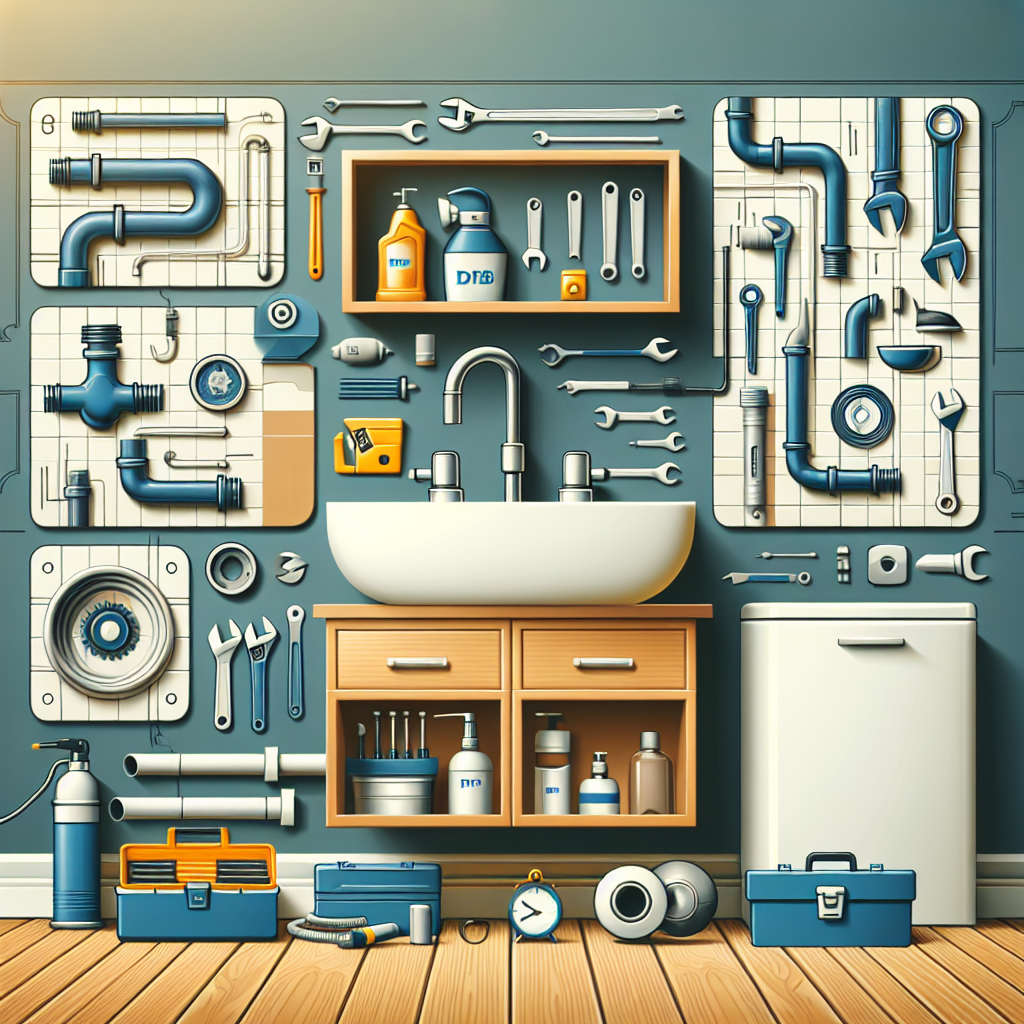
Before diving into repair techniques, it’s essential to understand the basic components of sink plumbing. A typical sink setup includes a faucet, a drain, a P-trap, and supply lines. Knowing how these parts work together will make it easier to diagnose and fix issues.
Faucet
The faucet is the most visible part of the sink plumbing. It controls the flow of water into the sink. Different types of faucets, such as compression, ball, cartridge, and ceramic disc, have unique mechanisms that may require specific repair techniques.
Drain
The drain is responsible for carrying wastewater away from the sink. It connects to the P-trap, which helps prevent sewer gases from entering your home. A blocked or leaking drain can cause significant issues if not addressed promptly.
P-Trap
The P-trap is a U-shaped pipe that holds a small amount of water to seal the drain and prevent sewer gases from escaping. It is a common location for clogs because debris can get caught in the curve.
Supply Lines
Supply lines bring water from your home’s plumbing system to the faucet. These lines can be made of various materials, including copper, PVC, or flexible hoses. Leaks or bursts in these lines can lead to water damage and should be repaired immediately.
Common Sink Plumbing Issues and Solutions
Here are some common sink plumbing problems and expert advice on how to address them:
Leaky Faucet
A leaky faucet can be both annoying and wasteful. The most common cause is a worn-out washer or O-ring. To fix this, turn off the water supply, disassemble the faucet, and replace the faulty parts. Ensure that you have the correct replacement parts by bringing the old ones to your local hardware store.
Clogged Drain
Clogged drains are usually caused by a buildup of grease, hair, soap, and other debris. For minor clogs, a plunger or a drain snake can be effective. If these tools don’t work, try a mixture of baking soda and vinegar, followed by hot water, to dissolve the blockage. Avoid using chemical drain cleaners, as they can damage pipes.
Slow Drainage
Slow drainage is often a precursor to a complete clog. Regular maintenance, such as pouring boiling water down the drain weekly, can help prevent this. If slow drainage persists, inspect the P-trap for debris and clean it out as necessary.
Leaky P-Trap
A leaky P-trap can cause water to pool under the sink, leading to mold and water damage. Tighten any loose connections, and if the leak persists, inspect the trap for cracks or corrosion. Replace it if necessary, ensuring a proper seal with plumber’s tape.
Low Water Pressure
Low water pressure can be due to clogged aerators or supply lines. Remove the aerator from the faucet and clean any debris. If the problem persists, check the shut-off valves and supply lines for obstructions or damage.
Preventive Measures for Efficient Sink Plumbing
Prevention is key to avoiding frequent plumbing repairs. Here are some tips to keep your sink plumbing in optimal condition:
Regular Inspections
Conduct regular inspections of your sink plumbing. Look for signs of wear and tear, corrosion, or leaks. Early detection can prevent minor issues from becoming major repairs.
Proper Disposal Practices
Be mindful of what goes down the drain. Avoid pouring grease, coffee grounds, or fibrous materials into the sink. Use a drain strainer to catch debris and prevent clogs.
Routine Cleaning
Clean your sink and faucet regularly to prevent buildup of soap scum and mineral deposits. Use a gentle cleaner and a soft cloth to avoid scratching surfaces.
Careful Use of Chemicals
If you must use chemical cleaners, choose ones that are safe for plumbing systems. Always follow the manufacturer’s instructions and avoid overuse, as harsh chemicals can damage pipes.
When to Call a Professional Plumber
While many sink plumbing repairs can be handled with a DIY approach, some situations require professional assistance:
Complex Leaks
If you cannot locate the source of a leak or if it involves complicated plumbing setups, it’s best to call a plumber. They have the tools and expertise to identify and fix hidden leaks.
Persistent Clogs
If a clog does not respond to basic clearing methods, a professional plumber can use specialized equipment to remove stubborn blockages without damaging your pipes.
Pipe Replacements
Replacing old or damaged pipes is a complex task that requires precision and experience. A professional plumber can ensure that installations are done correctly and safely.
Conclusion
Efficient sink plumbing repair involves understanding the components of your plumbing system, identifying common issues, and knowing how to address them. With preventive maintenance and timely repairs, you can avoid frequent plumbing problems and ensure your sink functions smoothly. However, don’t hesitate to call a professional plumber when necessary to ensure the job is done right.
By following these expert tips, you can tackle most sink plumbing repairs confidently and effectively, saving time and money in the process.
#ChatGPT assisted in the creation of this article.
