
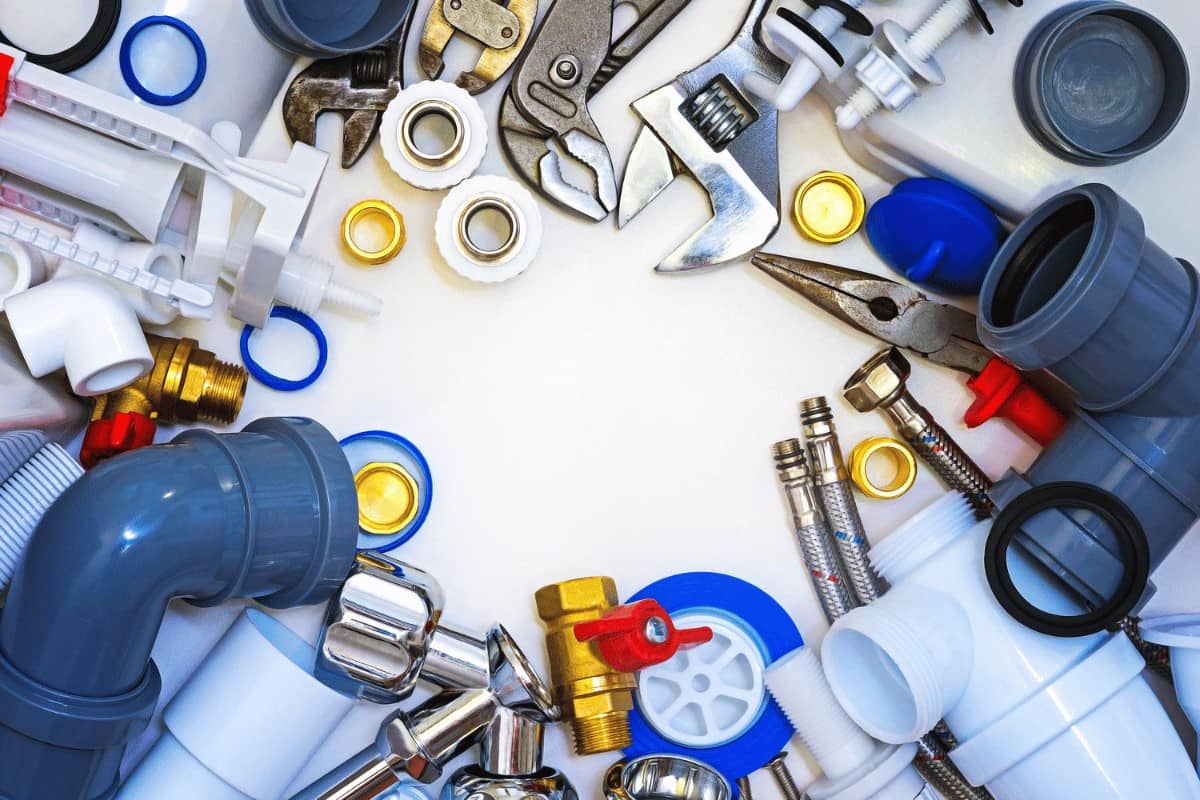
Plumbing is an integral aspect of any building, providing the necessary infrastructure for water supply and waste management. Whether you are a seasoned professional or a DIY enthusiast, understanding the materials used in plumbing is crucial. This guide will explore the top plumbing materials, their applications, and their benefits, helping you make informed decisions for your next project.
Copper Pipes
Copper has been a staple in plumbing for decades due to its reliability and longevity. It is known for its excellent corrosion resistance, making it ideal for water supply lines. Copper pipes are available in two types: rigid and flexible. Rigid copper pipes are used for water supply lines, while flexible copper pipes are used in tight spaces.
Advantages of Copper Pipes
- Durability: Copper pipes can last for more than 50 years.
- Heat Resistance: They can withstand high temperatures, making them suitable for hot water lines.
- Corrosion Resistance: Copper’s natural resistance to corrosion extends its lifespan.
- Recyclability: Copper is a recyclable material, making it an environmentally friendly option.
PEX Pipes
Cross-linked polyethylene, commonly referred to as PEX, is a flexible plastic piping material used in plumbing systems. It has gained popularity due to its ease of installation and versatility. PEX is suitable for both hot and cold water lines and is available in red, blue, and white colors to denote hot water, cold water, and general use, respectively.
Advantages of PEX Pipes
- Flexibility: PEX pipes can easily bend around corners, reducing the need for joints and fittings.
- Cost-Effective: Generally more affordable than copper pipes, both in materials and installation.
- Quick Installation: Requires fewer fittings and can be installed quickly, saving time and labor costs.
- Resistance to Scale and Chlorine: PEX does not corrode or develop scale buildup.
PVC Pipes
Polyvinyl chloride, or PVC, is a widely used plastic piping material, particularly for drainage systems and vent lines. Its lightweight nature and low cost make it a popular choice for various plumbing applications. However, it is not suitable for hot water applications due to its low heat tolerance.
Advantages of PVC Pipes
- Affordability: PVC is one of the most cost-effective piping materials available.
- Corrosion Resistance: PVC is resistant to corrosion and chemical reactions.
- Ease of Installation: Lightweight and easy to cut, PVC pipes can be installed with minimal effort.
- Durability: PVC pipes are durable and can last for decades when used in the right applications.
CPVC Pipes
Chlorinated polyvinyl chloride (CPVC) is a variant of PVC that has been chlorinated to increase its temperature tolerance. This makes it suitable for hot water applications, unlike standard PVC. CPVC is commonly used in both residential and commercial plumbing for hot and cold water distribution.
Advantages of CPVC Pipes
- High Temperature Tolerance: Can handle temperatures up to 200°F, suitable for hot water lines.
- Corrosion Resistance: CPVC is resistant to a wide range of chemicals and corrosive substances.
- Easy Installation: Similar to PVC, CPVC is lightweight and easy to work with.
- Cost-Effective: More affordable than metal pipes like copper, especially for hot water applications.
Galvanized Steel Pipes
Galvanized steel pipes are steel pipes coated with a layer of zinc to prevent corrosion. Although they were once a standard in residential plumbing, they have largely been replaced by more modern materials. However, they are still used in some industrial applications and for outdoor plumbing due to their durability.
Advantages of Galvanized Steel Pipes
- Strength and Durability: Galvanized pipes are strong and can withstand high pressure.
- Corrosion Resistance: The zinc coating provides protection against rust and corrosion.
- Longevity: When properly maintained, galvanized pipes can last for decades.
Stainless Steel Pipes
Stainless steel pipes are known for their strength, corrosion resistance, and aesthetic appeal. While more expensive than other materials, stainless steel is preferred in environments where corrosion is a significant concern, such as coastal areas. They are used in both residential and industrial settings.
Advantages of Stainless Steel Pipes
- Corrosion Resistance: Excellent resistance to rust and corrosion, especially in harsh environments.
- Strength: Stainless steel is a strong material that can withstand high pressure and temperature.
- Aesthetic Appeal: Offers a clean, modern look suitable for exposed plumbing.
Cast Iron Pipes
Cast iron pipes are primarily used for drainage and sewer systems. Known for their durability and sound-dampening properties, they are ideal for large-scale plumbing systems. Despite being heavier and more challenging to install, cast iron remains a viable option for specific applications.
Advantages of Cast Iron Pipes
- Sound Dampening: Cast iron pipes reduce noise from flowing water due to their density.
- Durability: Highly durable and suitable for underground and heavy-duty applications.
- Fire Resistance: Non-combustible, making them suitable for use in fire-prone areas.
Brass Pipes
Brass pipes are an alloy of copper and zinc, offering excellent durability and corrosion resistance. They are often used for water supply lines, plumbing fittings, and valves. Brass is easy to mold and can withstand high temperatures, making it a versatile choice for various applications.
Advantages of Brass Pipes
- Corrosion Resistance: Brass pipes are highly resistant to rust and corrosion.
- Long Lifespan: They have a long lifespan and can endure high temperatures and pressures.
- Easy to Work With: Brass is relatively easy to cut, shape, and join, facilitating installation and repairs.
Choosing the Right Plumbing Material
When selecting plumbing materials, several factors should be considered, including the specific application, budget, and local building codes. Here are some tips to help guide your decision:
- Consider the Water Type: If you’re dealing with hard water, opt for materials like PEX or CPVC that resist scale buildup.
- Evaluate Temperature Requirements: For hot water lines, prioritize materials like copper, CPVC, or PEX.
- Assess Environmental Conditions: In corrosive environments, stainless steel or brass may be a better choice.
- Budget and Cost: Balance cost considerations with longevity and performance requirements.
- Consult Local Codes: Ensure that your material choice complies with local plumbing codes and standards.
Conclusion
Understanding the various plumbing materials available is essential for any plumbing project. Each material has unique properties that make it suitable for specific applications. By considering factors like durability, cost, and environmental conditions, you can choose the most appropriate materials for your needs. Whether you’re installing a new system or repairing an existing one, the right material choice can ensure long-lasting performance and reliability.
#ChatGPT assisted in the creation of this article.
