
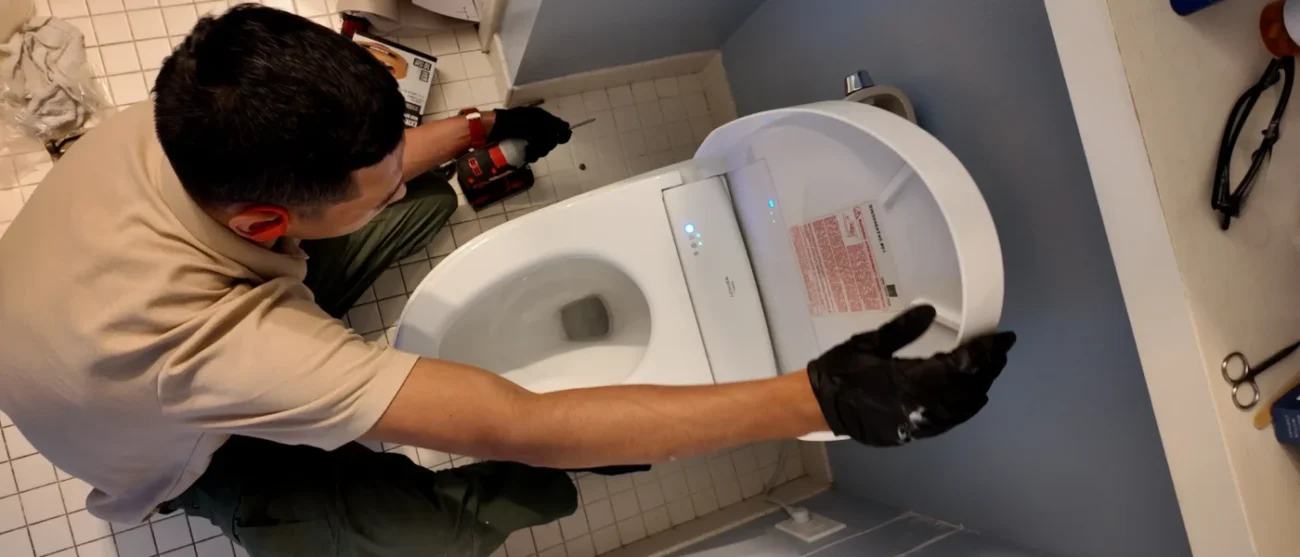
A running toilet is more than just a minor annoyance; it can lead to increased water bills and potential water damage if left unchecked. Fortunately, fixing a running toilet is a manageable task that most homeowners can tackle with some basic tools and a little guidance. This article provides expert tips to help you successfully fix a running toilet, ensuring it operates efficiently and effectively.
Understanding the Anatomy of a Toilet
Before diving into the repair process, it’s essential to understand the basic components of a toilet. A typical toilet consists of the tank and the bowl. The tank houses several crucial components that control water flow and flushing mechanisms:
1. Fill Valve
The fill valve controls the water supply to the tank. When the tank is empty after a flush, the fill valve opens to allow water to refill the tank.
2. Flapper
The flapper is a rubber seal that sits at the bottom of the tank. When you flush the toilet, the flapper lifts, allowing water to flow from the tank into the bowl.
3. Flush Valve
The flush valve is the opening through which water exits the tank and enters the bowl. The flapper covers this valve.
4. Overflow Tube
The overflow tube is a vertical pipe in the center of the tank that prevents water from overflowing by directing excess water into the bowl.
5. Chain
The chain connects the flapper to the flush handle. When you press the handle, the chain lifts the flapper, initiating the flush.
Common Causes of a Running Toilet
Identifying the cause of a running toilet is the first step in fixing it. Here are the most common culprits:
1. Faulty Flapper
A worn or misaligned flapper often causes water to leak from the tank into the bowl continuously. If the flapper doesn’t create a tight seal, it will allow water to trickle into the bowl.
2. Faulty Fill Valve
If the fill valve is not functioning correctly, it may cause water to constantly refill the tank, leading to a running toilet. This issue often arises due to a misadjusted float or a worn valve.
3. Overflow Tube Issues
If the water level in the tank is too high, it may spill over into the overflow tube, causing constant water flow into the bowl.
4. Chain Problems
A chain that is too long or too short can prevent the flapper from sealing properly. If the chain is too long, it may get caught under the flapper, and if it’s too short, it might not allow the flapper to close completely.
Step-by-Step Guide to Fixing a Running Toilet
Now that you understand the potential causes, let’s explore how to fix a running toilet:
Step 1: Turn Off the Water Supply
Before you begin any repairs, turn off the water supply to the toilet. Locate the shut-off valve, usually found on the wall behind the toilet, and turn it clockwise until it stops.
Step 2: Inspect the Flapper
Remove the toilet tank lid and flush the toilet to empty the tank. Check the flapper for signs of wear or damage. If it’s old or misaligned, replace it with a new one. Ensure the new flapper creates a tight seal over the flush valve.
Step 3: Adjust or Replace the Fill Valve
If the flapper is not the issue, inspect the fill valve. Adjust the float to ensure the water level is about an inch below the top of the overflow tube. If adjusting the float doesn’t solve the problem, consider replacing the fill valve.
Step 4: Check the Overflow Tube
Ensure that the water level in the tank is not above the overflow tube. If it is, adjust the fill valve to lower the water level. If the overflow tube is cracked or damaged, it may need replacing.
Step 5: Adjust the Chain
Inspect the chain to make sure it’s not too long or too short. Adjust the length so that the flapper can close completely without the chain getting stuck underneath it.
Additional Tips for Success
Use Quality Replacement Parts
When replacing any part of your toilet, opt for high-quality components. Cheap parts may save money initially but can lead to further problems down the line.
Regular Maintenance
Perform regular maintenance checks on your toilet to identify and address issues early. This includes checking for leaks, ensuring the flapper seals properly, and adjusting the fill valve as needed.
Consult a Professional if Needed
If you’ve tried the above steps and your toilet is still running, it might be time to consult a professional plumber. Persistent issues could indicate a more complex problem that requires expert attention.
Conclusion
Fixing a running toilet is a straightforward task that can save you money on water bills and prevent more significant plumbing issues in the future. By understanding the components of your toilet and following the steps outlined in this guide, you can successfully repair a running toilet and ensure it operates efficiently. Remember, regular maintenance and using quality parts are key to preventing future problems. If in doubt, don’t hesitate to seek professional help to ensure your plumbing remains in top condition.
