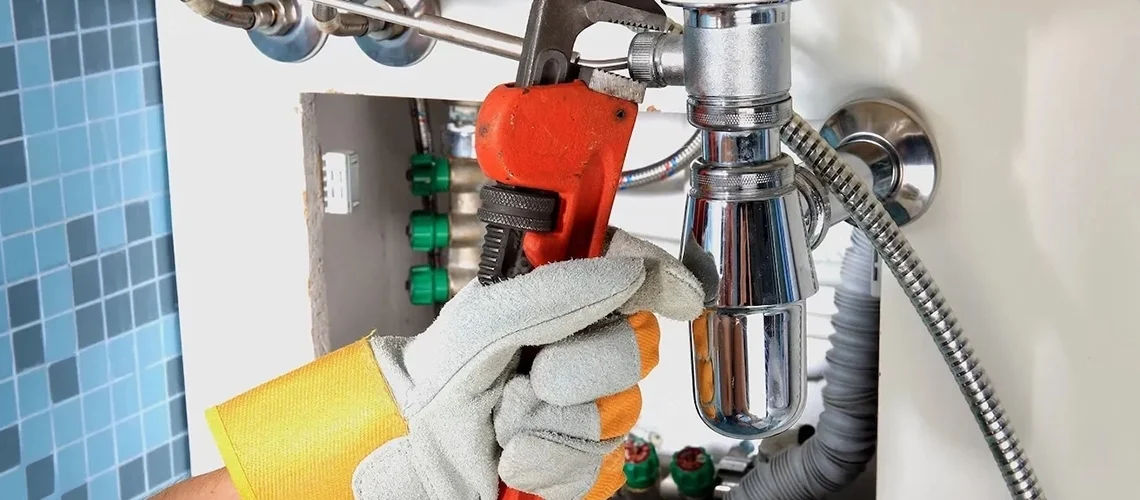
Plumbing is an essential component of any home, ensuring that water flows efficiently and waste is disposed of properly. However, like any system, it requires regular maintenance to function optimally. Effective plumbing maintenance can prevent costly repairs, extend the lifespan of your plumbing system, and contribute to the overall safety and comfort of your home. In this article, we will explore top tips for plumbing maintenance repair, providing you with the knowledge to keep your plumbing in excellent condition.
Understanding Your Plumbing System
Before diving into maintenance tips, it’s crucial to understand the basic components of your plumbing system. A typical plumbing system includes supply pipes, which bring water into your home, and drain pipes, which remove wastewater. Fixtures such as sinks, toilets, and showers connect to these pipes. Understanding the layout and components of your system can help you identify potential problems and facilitate more effective maintenance.
Regular Inspection
Regular inspection is the cornerstone of effective plumbing maintenance. By routinely checking your plumbing system, you can catch small issues before they become major problems. Here’s how to conduct an effective inspection:
Check for Leaks
Inspect all visible pipes, faucets, and fixtures for signs of leaks. Even small leaks can lead to significant water waste and damage over time. Pay particular attention to areas under sinks, around toilets, and near appliances that use water, such as washing machines and dishwashers.
Inspect Water Pressure
Low water pressure can be a sign of a plumbing issue. Test your water pressure using a pressure gauge, which can be purchased at a hardware store. Ideally, your home’s water pressure should be between 40 and 60 psi. If it falls outside this range, it may be time to consult a professional.
Preventative Measures
Prevention is always better than cure, and there are several preventative measures you can take to avoid plumbing issues.
Install Drain Screens
Drain screens are an inexpensive and easy way to prevent clogs. These devices catch hair, soap scum, and other debris before they can enter your pipes, reducing the likelihood of blockages.
Avoid Chemical Drain Cleaners
While chemical drain cleaners might offer a quick fix for clogs, they can cause more harm than good. These chemicals can corrode pipes and harm septic systems. Instead, opt for mechanical methods like a plunger or a drain snake, or use a natural solution of baking soda and vinegar.
Practice Smart Water Usage
Minimizing water waste not only benefits the environment but also reduces the strain on your plumbing system. Fix dripping faucets promptly, take shorter showers, and only run dishwashers and washing machines with full loads.
Routine Maintenance Tasks
In addition to regular inspections, performing certain maintenance tasks can help keep your plumbing system in top condition.
Flush Your Water Heater
Over time, sediment can build up in your water heater, reducing its efficiency and lifespan. Flushing your water heater annually removes this sediment, improving performance and extending its life. Always follow the manufacturer’s instructions or consult a professional for this task.
Clean Faucet Aerators
Aerators can become clogged with mineral deposits, affecting water flow. Remove and clean them regularly to ensure optimal performance. Simply soak the aerator in vinegar to dissolve deposits, then rinse and reattach.
Test Your Sump Pump
If your home has a sump pump, it’s vital to ensure it’s functioning correctly, especially before the rainy season. Pour a bucket of water into the sump pit to test the pump’s operation. It should start automatically and remove the water efficiently. If not, it may require repair or replacement.
Know When to Call a Professional
While many plumbing maintenance tasks can be handled by homeowners, some situations require professional expertise. Knowing when to call a plumber can save you time, money, and hassle in the long run.
Persistent Leaks
If you’ve attempted to fix a leak and it persists, it’s time to call a professional. Persistent leaks can indicate a more serious underlying problem that requires expert attention.
Major Clogs
While minor clogs can often be cleared with a plunger or drain snake, major blockages may require specialized tools and techniques. A plumber can safely and effectively remove stubborn clogs without damaging your pipes.
Pipe Replacement
If your home has old or deteriorating pipes, replacing them is a job best left to professionals. They can ensure that the new pipes are installed correctly and meet all necessary codes and regulations.
Conclusion
Effective plumbing maintenance is essential for the health, safety, and comfort of your home. By understanding your plumbing system, conducting regular inspections, implementing preventative measures, and performing routine maintenance tasks, you can prevent many common plumbing issues. Additionally, knowing when to call a professional ensures that more complex problems are addressed correctly. By following these tips, you can maintain a robust and efficient plumbing system, saving money and stress in the long run.
Remember, a well-maintained plumbing system not only contributes to the smooth functioning of your home but also enhances its value and appeal. Regular maintenance and timely repairs are investments in the longevity and reliability of your home’s plumbing infrastructure. With these top tips, you’re well-equipped to tackle plumbing maintenance with confidence and ease.
