Plumbing systems are essential components of any home, providing the water supply and waste disposal necessary for daily activities. However, when these systems malfunction or are improperly maintained, they can pose significant hazards. Plumbing issues can lead to water damage, mold growth, and even health risks. Therefore, understanding and implementing plumbing hazard prevention tips is crucial for maintaining home safety. This article delves into effective strategies to prevent plumbing hazards and ensure a safe living environment.
Regular Inspection and Maintenance
Conduct Routine Visual Inspections
One of the simplest yet most effective ways to prevent plumbing hazards is to conduct routine visual inspections. Regularly check exposed pipes, faucets, and fixtures for any signs of leaks, corrosion, or damage. Pay close attention to areas under sinks, around toilets, and near appliances like washing machines and dishwashers. Early detection of issues can prevent more significant problems down the line.
Schedule Professional Plumbing Inspections
While visual inspections are beneficial, they should be supplemented with professional plumbing inspections at least once a year. Licensed plumbers have the expertise to identify potential hazards that may not be visible to the untrained eye. They can also perform maintenance tasks such as cleaning drains and checking the water heater for optimal performance.
Preventing Leaks and Water Damage
Install Water Leak Detection Devices
Water leak detection devices are invaluable tools for preventing extensive water damage. These devices are designed to detect leaks early and alert homeowners through alarms or smartphone notifications. Installing leak detectors near appliances, under sinks, and in basements can provide peace of mind and protect your home from costly repairs.
Insulate Pipes
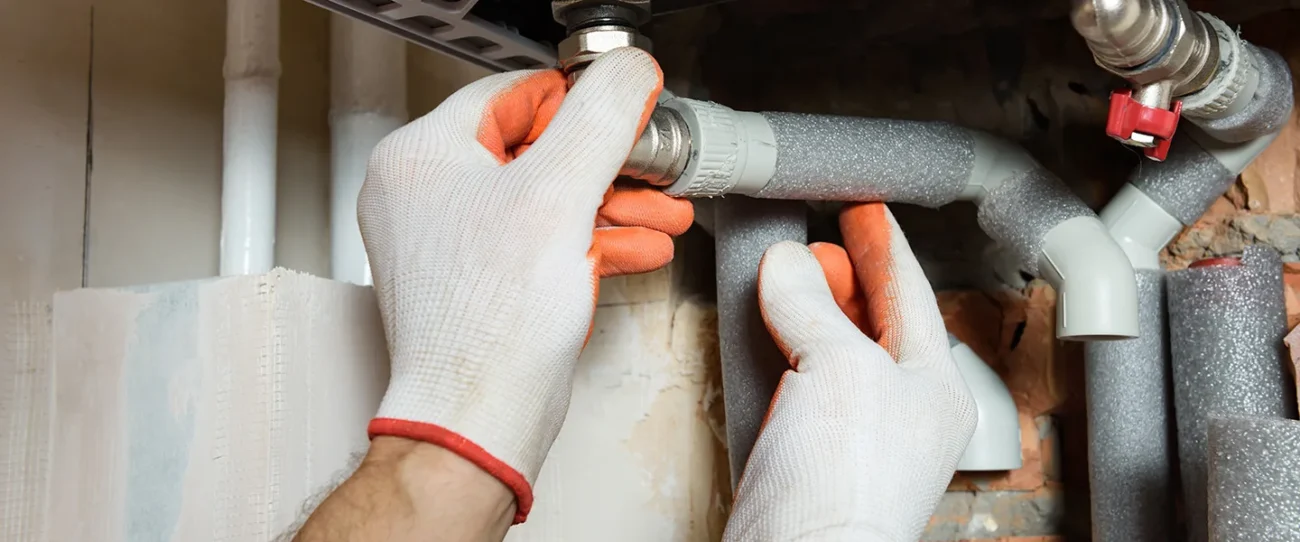
Pipe insulation is a critical measure for preventing leaks and water damage, especially in colder climates. Insulating pipes helps prevent freezing, which can cause pipes to burst and lead to significant water damage. Use foam insulation sleeves or wrap pipes with heat tape to keep them at a stable temperature during the winter months.
Avoiding Drain and Sewer Issues
Be Mindful of What Goes Down the Drain
One of the leading causes of plumbing issues is the improper disposal of waste. To prevent clogs and sewer backups, be mindful of what you put down the drain. Avoid disposing of grease, oils, coffee grounds, and non-degradable materials like wipes and paper towels. Instead, dispose of these items in the trash.
Use Drain Screens
Drain screens are simple yet effective tools for preventing debris from entering your plumbing system. Install screens over drains in sinks, showers, and tubs to catch hair, food particles, and other materials that can cause clogs. Regularly clean the screens to ensure they remain effective.
Ensuring Safe Water Quality
Test Water Quality Regularly
Water quality is a crucial aspect of plumbing safety. Contaminated water can lead to health issues and damage appliances. Regularly test your water for contaminants such as lead, bacteria, and chemicals. Home testing kits are available, or you can hire a professional to conduct a comprehensive analysis.
Install Water Filtration Systems
Depending on the results of your water quality tests, you may need to install a water filtration system. These systems can remove impurities and improve the taste, odor, and safety of your water. Options range from simple faucet filters to whole-house filtration systems, depending on your needs and budget.
Addressing Water Heater Safety
Maintain the Water Heater
Water heaters are essential for providing hot water, but they can also pose safety risks if not properly maintained. Regularly check the temperature setting on your water heater to prevent scalding. The recommended setting is typically around 120 degrees Fahrenheit. Additionally, flush the tank annually to remove sediment buildup, which can affect efficiency and safety.
Install a Pressure Relief Valve
A pressure relief valve is a crucial safety feature for water heaters. It releases excess pressure from the tank, preventing it from bursting. Ensure that your water heater has a functioning pressure relief valve and test it periodically to make sure it operates correctly.
Preventing Gas and Carbon Monoxide Hazards
Inspect Gas Lines and Connections
For homes with gas-powered appliances, including water heaters and stoves, it is vital to inspect gas lines and connections regularly. Check for signs of corrosion, leaks, or damage. If you suspect a gas leak, evacuate your home immediately and contact your gas company and a professional plumber.
Install Carbon Monoxide Detectors
Carbon monoxide is a colorless, odorless gas that can be deadly. Protect your family by installing carbon monoxide detectors near sleeping areas and in rooms with gas appliances. Test the detectors regularly and replace the batteries as needed to ensure they remain operational.
Emergency Preparedness
Know the Location of the Main Water Shut-off Valve
In the event of a plumbing emergency, such as a burst pipe, it’s crucial to know the location of your home’s main water shut-off valve. Make sure all household members know how to turn off the water supply to prevent extensive water damage.
Develop a Plumbing Emergency Plan
Being prepared for plumbing emergencies can mitigate damage and stress. Develop a plumbing emergency plan that includes contact information for a reliable plumber, steps to take in different scenarios, and a list of emergency supplies. Consider including a bucket, mop, towels, and basic plumbing tools in your emergency kit.
Conclusion
Plumbing systems are integral to maintaining a safe and comfortable home environment. By implementing regular inspections, preventive measures, and emergency preparedness, homeowners can significantly reduce the risk of plumbing hazards. Remember, proactive maintenance and awareness are key to preventing costly repairs and ensuring the safety of your household. By following these top plumbing hazard prevention tips, you can safeguard your home and enjoy peace of mind.
