
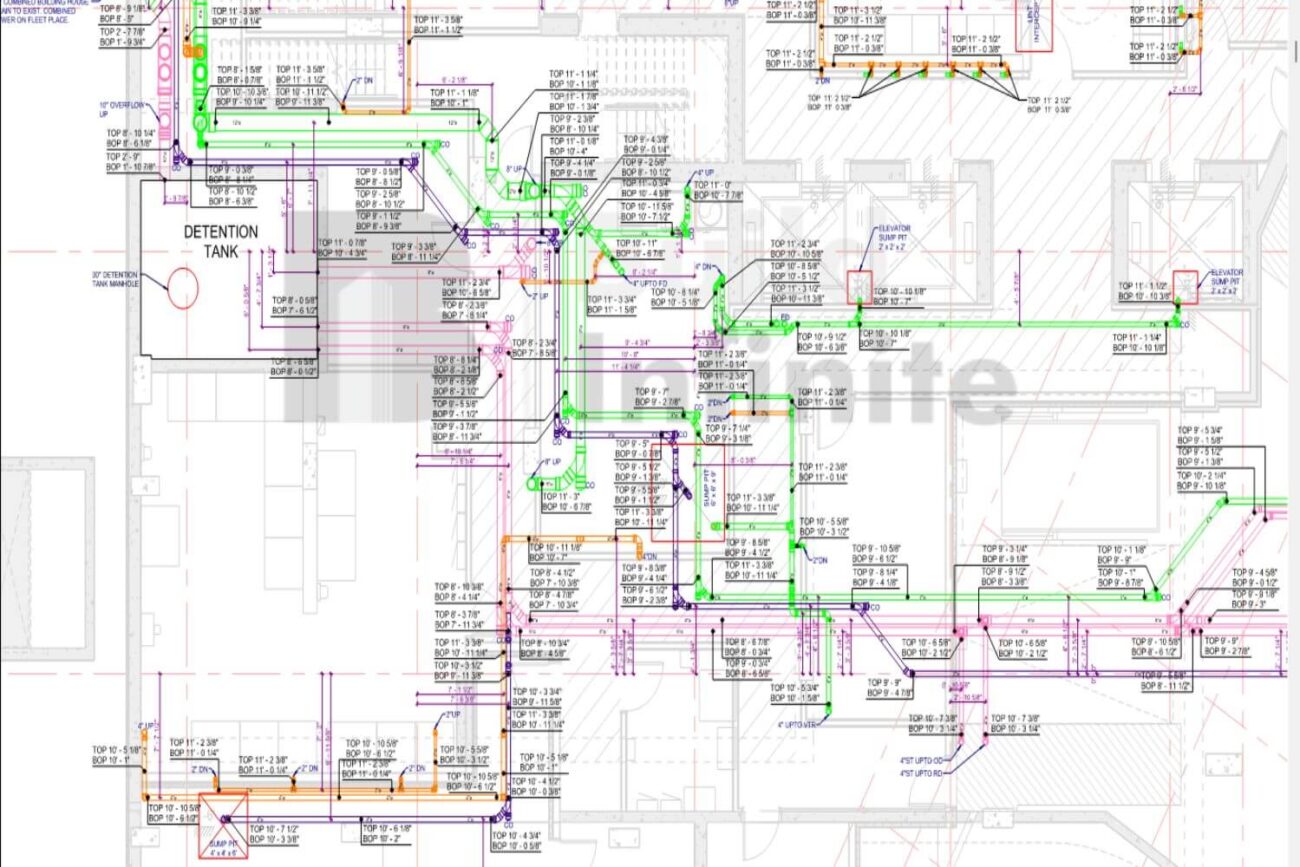
In the realm of home improvement, plumbing is often overshadowed by more visually appealing projects. However, a well-designed plumbing layout is fundamental to the overall efficiency, functionality, and longevity of a home. Optimizing your home’s plumbing layout is not only an investment in convenience and comfort but also in sustainability and cost-effectiveness. This article delves into the nuances of designing an efficient plumbing system, offering practical insights for both new constructions and renovations.
Understanding Plumbing Basics
Before diving into optimization strategies, it’s essential to grasp the basics of a plumbing system. A typical home plumbing system consists of two main subsystems: the water supply system and the drainage system. The water supply system brings fresh water into the home, while the drainage system removes wastewater.
The Water Supply System
The water supply system delivers cold and hot water to various fixtures throughout the house. It typically starts at a water meter connected to the municipal water supply or a well source. From there, water pipes distribute water to taps, showers, appliances, and other fixtures.
The Drainage System
The drainage system, on the other hand, relies on gravity to remove wastewater from the home. It consists of drain pipes, vent pipes, and traps that ensure the efficient and hygienic removal of waste. A well-designed drainage system prevents blockages and ensures proper ventilation, reducing the risk of unpleasant odors.
Principles of an Efficient Plumbing Layout
An efficient plumbing layout is characterized by minimal water wastage, optimal water flow, and reduced energy consumption. Here are some core principles to consider:
Minimize Pipe Runs
Keeping the distance between plumbing fixtures and the main water supply line as short as possible reduces the time it takes for hot water to reach the fixture, thus minimizing water wastage. This approach also reduces the amount of piping needed, which can further decrease costs.
Group Fixtures Together
Whenever possible, group plumbing fixtures together or stack them vertically (e.g., bathrooms above each other in multi-story homes). This method reduces the amount of piping required and simplifies the plumbing network, making maintenance easier and more cost-effective.
Use Appropriately Sized Pipes
The size of the pipes should be proportional to the flow requirement. Oversized pipes can cause water to stagnate, while undersized pipes can lead to inadequate water pressure. Proper sizing ensures effective water flow and reduces energy consumption in the case of hot water systems.
Ensure Proper Venting
Venting is crucial for the drainage system to function correctly. Proper venting prevents vacuum formation in the pipes, which can impede the drainage process. It also allows sewer gases to escape, preventing them from entering the home.
Energy Efficiency and Sustainability
Optimizing a plumbing layout extends beyond water efficiency; it also involves reducing energy consumption associated with water heating and distribution.
Install High-Efficiency Fixtures
Invest in high-efficiency fixtures such as low-flow toilets, faucets, and showerheads. These fixtures significantly reduce water usage without compromising performance, leading to lower utility bills and environmental impact.
Consider Tankless Water Heaters
Traditional water heaters store hot water, leading to energy loss through standby heat loss. Tankless water heaters, on the other hand, heat water on demand, which can be more energy-efficient and provide an endless supply of hot water.
Insulate Hot Water Pipes
Insulating hot water pipes minimizes heat loss as water travels from the heater to the fixture. This not only conserves energy but also reduces the time it takes for hot water to reach the fixture, leading to less water waste.
Planning for Future Needs
When designing a plumbing layout, it’s crucial to consider potential future needs and changes. This foresight can save time and money in the long run.
Plan for Additional Fixtures
Consider future additions, such as extra bathrooms or a kitchen remodel. Pre-plumbing for additional fixtures can make future expansions more straightforward and cost-effective.
Flexible Piping Systems
Modern plumbing systems often use flexible piping, such as PEX, which is adaptable and easier to install than rigid piping. This flexibility allows for easier modifications and repairs, accommodating future changes with minimal disruption.
Common Challenges and Solutions
Even with careful planning, challenges can arise when optimizing a plumbing layout. Here are common issues and their solutions:
Low Water Pressure
Low water pressure can result from various factors, such as clogged pipes or undersized supply lines. Regular maintenance and ensuring pipes are appropriately sized can mitigate this issue.
Clogged Drains
Clogged drains are a common problem in any plumbing system. Preventative measures include using drain screens and avoiding disposing of grease and large food particles down the sink.
Leaks
Leaks can lead to water wastage and damage to the home. Regularly inspect pipes and joints for signs of wear and tear. Using high-quality materials during installation can also prevent leaks.
DIY Tips for Homeowners
While some plumbing tasks require professional expertise, there are several DIY tips homeowners can follow to maintain an efficient plumbing system.
Regular Inspections
Conduct regular inspections of visible pipes, joints, and fixtures. Look for leaks, corrosion, or any signs of wear that might require attention.
Maintain Drains
Regularly clean drains using environmentally friendly methods, such as baking soda and vinegar, to prevent clogs and maintain a smooth flow.
Monitor Water Usage
Keep an eye on your water bill for any unexpected increases, which might indicate leaks or inefficient fixtures that need attention.
Conclusion
Optimizing your home plumbing layout is not just about convenience; it’s about creating a sustainable, cost-effective, and functional living environment. By understanding the principles of efficient plumbing design and implementing practical strategies, homeowners can significantly enhance their home’s plumbing efficiency. Whether you’re building a new home or renovating an existing one, careful planning and attention to detail in your plumbing layout can lead to long-term benefits for both your wallet and the environment.
