Plumbing systems are integral to the smooth functioning of any home, ensuring access to clean water and efficient waste removal. However, many homeowners often overlook regular maintenance, leading to costly repairs and inconvenient disruptions. By incorporating a few simple care tips into your routine, you can extend the lifespan of your plumbing system and prevent potential problems. This article provides essential plumbing system care tips that every homeowner should know.
Understanding Your Plumbing System
Before diving into specific maintenance tips, it’s important to understand the basic components of a home’s plumbing system. The system typically consists of two subsystems: one that brings freshwater in and another that takes wastewater out. Key components include pipes, valves, fixtures, and connections that work together to ensure the seamless flow of water and waste. A solid understanding of these elements can help you identify and address issues more effectively.
Regular Inspection and Maintenance
Inspect for Leaks
Regular inspections are crucial for identifying leaks early. Leaks can occur in pipes, faucets, or toilets, often going unnoticed until they cause significant damage. Check under sinks, around toilets, and in basements or crawl spaces for any signs of leaks. Fixing small leaks promptly can prevent larger issues and save water.
Test Water Pressure
Water pressure that is too high can strain your plumbing system, leading to potential failures. Use a water pressure gauge to test your home’s water pressure. Ideally, it should be between 40 to 60 psi. If the pressure is too high, consider installing a pressure regulator.
Clean Drains Regularly
Clogged drains are a common plumbing issue that can be easily avoided with regular cleaning. Use a mixture of vinegar and baking soda to naturally clean and deodorize your drains. Avoid using chemical drain cleaners, as they can damage pipes over time.
Preventative Measures
Install a Water Softener
Hard water can lead to the buildup of mineral deposits in your pipes and appliances, reducing their efficiency and lifespan. Installing a water softener can help minimize these deposits, protecting your plumbing system and enhancing the performance of your water-using appliances.
Insulate Pipes
Pipe insulation is an effective way to prevent pipes from freezing during cold weather, which can lead to bursts and significant water damage. Insulating pipes in unheated areas, such as basements or garages, can help maintain their temperature and prevent freezing.
Install Strainers
Sink and shower drains can quickly become clogged with hair, soap scum, and debris. Installing strainers over drains can catch these particles and make cleaning easier. Regularly empty and clean the strainers to ensure a smooth water flow.
Addressing Common Plumbing Problems
Dealing with Clogged Toilets
Clogged toilets are a frequent plumbing issue that can usually be resolved with a plunger. If the clog persists, try using a plumbing snake or auger. It’s important to avoid flushing non-flushable items such as wipes, feminine hygiene products, or excessive amounts of toilet paper to prevent clogs.
Fixing Dripping Faucets
Dripping faucets are not only annoying but also waste a significant amount of water. Often, the cause is a worn-out washer or O-ring, which can be replaced easily. If you’re unsure how to fix a dripping faucet, consulting a professional plumber can ensure the repair is done correctly.
Unblocking Slow Drains
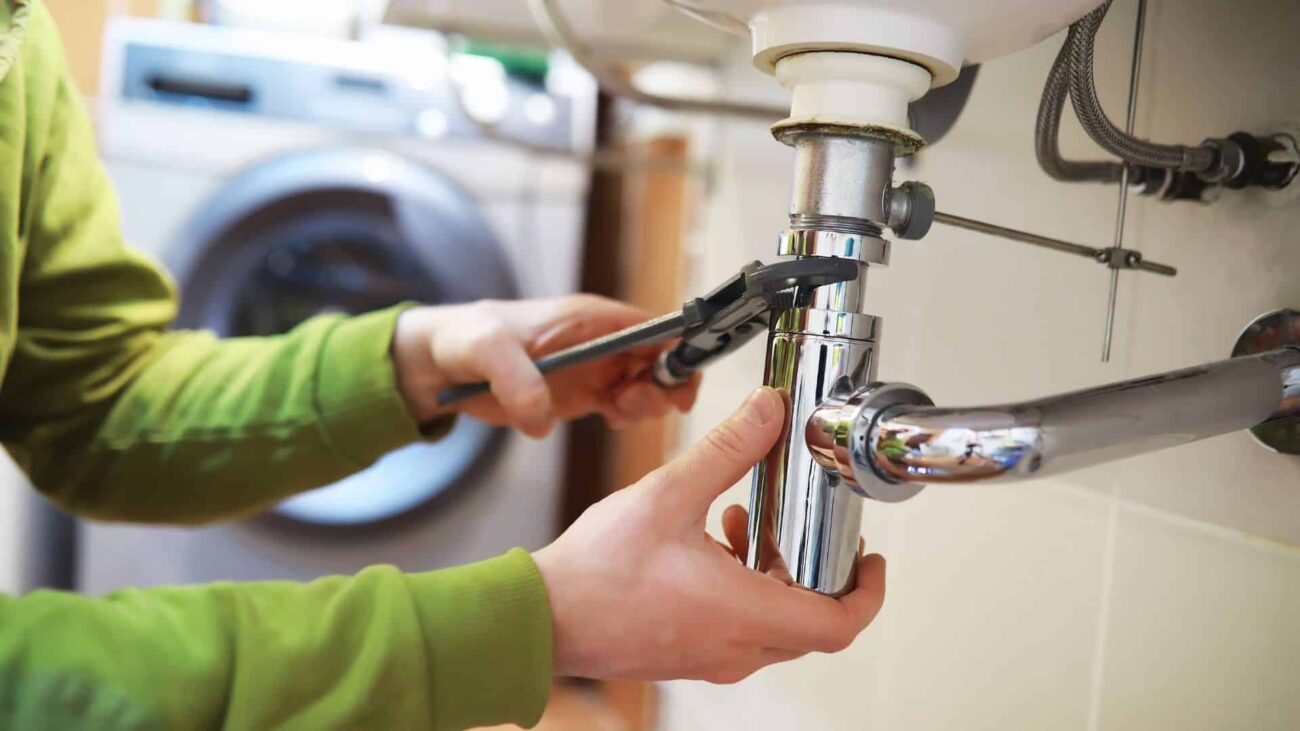
Slow drains can often be remedied by removing the trap and cleaning out accumulated debris. For more stubborn blockages, a plumbing snake can be used to reach and clear clogs deeper in the drain. Regular maintenance and cleaning can help prevent these issues from recurring.
When to Call a Professional
While many plumbing issues can be resolved with DIY solutions, there are times when it’s best to call in a professional. Persistent leaks, significant water pressure issues, and major clogs may require the expertise of a licensed plumber. Additionally, if you’re planning major renovations or need to replace old pipes, a professional plumber can ensure the job is done safely and up to code.
Conclusion
Maintaining your home’s plumbing system doesn’t have to be a daunting task. By incorporating regular inspections, preventative measures, and understanding when to seek professional help, you can ensure your plumbing system operates efficiently and smoothly. These essential plumbing system care tips not only help prevent costly repairs but also contribute to a more sustainable and eco-friendly home by reducing water waste. Taking the time to care for your plumbing system can save you time, money, and stress in the long run.
