As a homeowner, maintaining the integrity of your home’s plumbing system is crucial for ensuring both comfort and safety. Regular plumbing inspections can help prevent minor issues from escalating into costly repairs. Understanding the basics of a plumbing inspection empowers you to address potential problems proactively. This guide will walk you through essential plumbing inspection basics every homeowner should know.
The Importance of Regular Plumbing Inspections
Plumbing systems are complex networks of pipes, fixtures, and appliances that work seamlessly to provide water throughout your home. Regular inspections help maintain the efficiency and longevity of these systems. They can also prevent water damage, which can lead to structural issues, mold growth, and increased repair costs.
Undertaking regular inspections allows for the early detection of issues such as leaks, corrosion, and blockages. By addressing these problems early, you can save money in the long run and ensure the safety of your household.
Preparing for a Plumbing Inspection
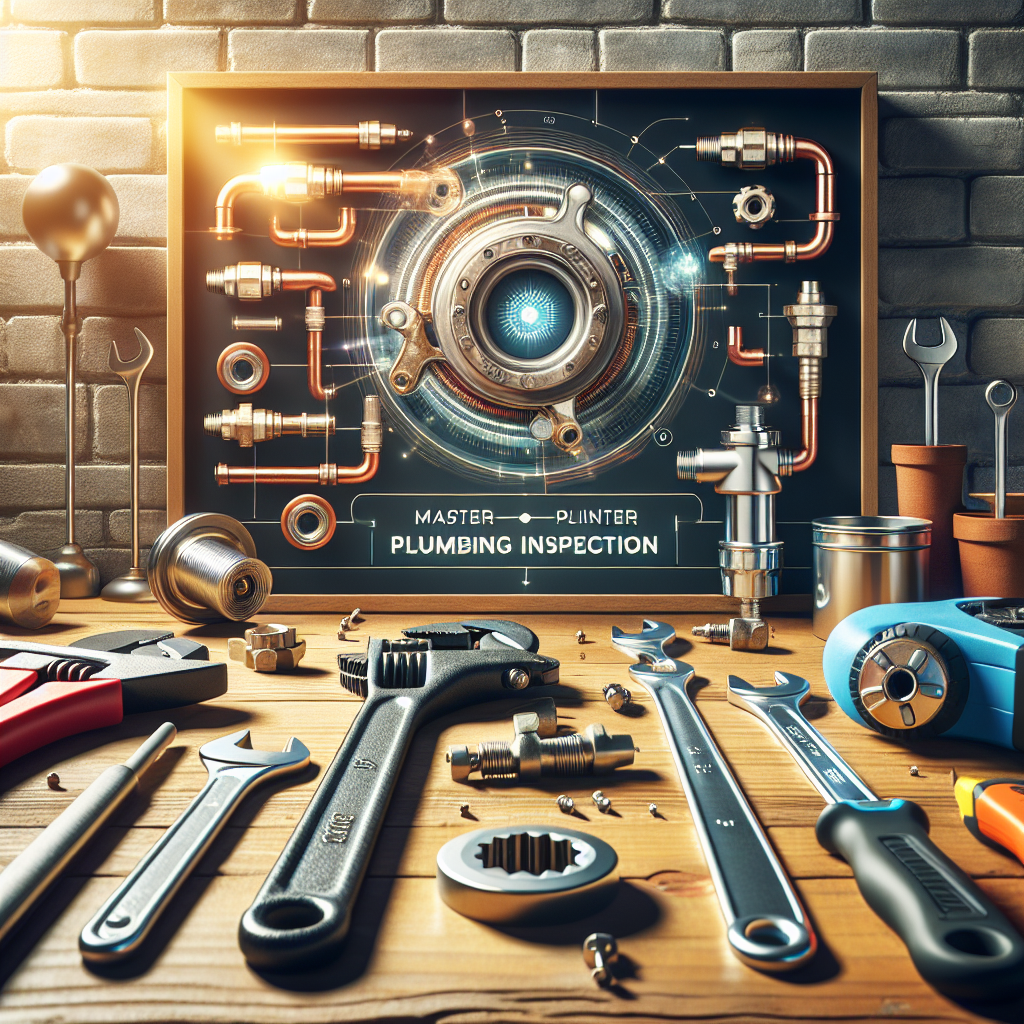
Before conducting a plumbing inspection, ensure you have the right tools on hand. Common tools include a flashlight, a wrench, a screwdriver, and plumber’s tape. Additionally, having a basic understanding of your home’s plumbing system layout will facilitate a more thorough inspection.
Key Areas to Inspect
1. Water Meter and Main Shut-off Valve
Start your inspection by locating the water meter and main shut-off valve. The water meter is typically found near the street, while the shut-off valve is generally located where the main water line enters your home. Ensure the shut-off valve is functional in case of emergencies. Familiarize yourself with how to operate it to cut off water flow quickly.
2. Kitchen and Bathroom Plumbing
Kitchens and bathrooms are high-use areas, making them hotspots for potential plumbing issues. Inspect sinks, faucets, and drains for any signs of leaks or drips. Check under sinks for moisture, which can indicate pipe leaks or poor sealing. Ensure that drains are flowing freely without any obstructions.
In bathrooms, examine toilets for leaks both around the base and within the tank. A simple food coloring test can help identify leaks: add a few drops of food coloring to the toilet tank and wait 30 minutes without flushing. If the color appears in the bowl, there’s a leak.
3. Water Heater
The water heater is a critical component of your plumbing system. Check for any signs of rust or corrosion on the tank. Ensure that the temperature setting is appropriate (typically around 120 degrees Fahrenheit) to prevent scalding and energy wastage. Additionally, test the pressure relief valve to ensure it is functioning correctly.
4. Pipes and Fittings
Inspect visible pipes for any signs of corrosion, leaks, or damage. Pay special attention to joints and fittings, which are common sites for leaks. If your home has older plumbing, consider investing in pipe insulation to prevent freezing during colder months, which can lead to burst pipes.
5. Sewer and Drain Lines
Sewer and drain lines can often be overlooked during inspections. However, these components are essential for the proper disposal of wastewater. Look for signs of slow drainage, which could indicate blockages or other issues. If you suspect a problem, consider using a plumbing snake or hiring a professional for a more in-depth inspection.
Common Plumbing Issues and Solutions
1. Leaky Faucets
Leaky faucets are not only annoying but can also lead to significant water wastage. Most leaks are caused by worn-out washers or seals, which can be easily replaced. Turn off the water supply, disassemble the faucet, and replace the faulty components to stop the leak.
2. Clogged Drains
Clogged drains are a common issue that can often be resolved with a plunger or a plumbing snake. For persistent clogs, a mixture of baking soda and vinegar can help break down blockages naturally. Pour a cup of baking soda followed by a cup of vinegar down the drain, let it sit for 15 minutes, and then flush with hot water.
3. Running Toilets
A running toilet can waste a lot of water and increase your utility bills. The most common cause is a faulty flapper valve, which can be easily replaced. Check the flush handle and chain for any tangles or misalignments that might be preventing the valve from sealing properly.
When to Call a Professional
While many plumbing issues can be resolved with basic DIY skills, some situations require professional attention. If you encounter persistent leaks, major blockages, or suspect a problem with your sewer line, it’s best to call a licensed plumber. Professionals have the tools and expertise to handle complex issues safely and efficiently.
Conclusion
Conducting regular plumbing inspections is an essential responsibility for homeowners. By familiarizing yourself with your home’s plumbing system and knowing what to look for, you can prevent minor issues from escalating into major problems. While many tasks can be handled with basic DIY skills, don’t hesitate to seek professional assistance when necessary. A proactive approach to plumbing maintenance will protect your home, save money, and ensure a safe and comfortable living environment.
Additional Resources
Consider attending local workshops or online courses to further enhance your plumbing knowledge. Many community centers and hardware stores offer classes on plumbing basics and home maintenance, providing valuable hands-on experience.
Final Thoughts
Your home is a significant investment, and maintaining the plumbing system is a crucial part of protecting that investment. Regular inspections and prompt repairs will help ensure your plumbing system remains in top condition, providing peace of mind and comfort for years to come.
