
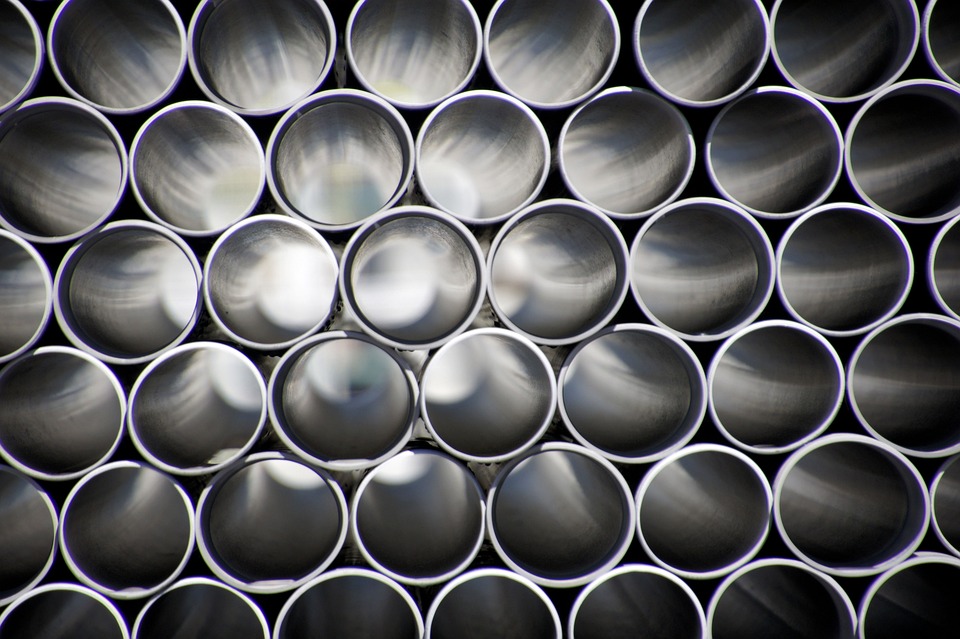
PVC Pipe Plumbing
Polyvinyl Chloride (PVC) pipes are a staple in modern plumbing due to their durability, cost-effectiveness, and ease of installation. Whether you’re a DIY enthusiast or a homeowner looking to make basic plumbing repairs, mastering the use of PVC pipes can save you time and money. This article explores essential tips and tricks for working with PVC pipes, ensuring your plumbing projects are successful and efficient.
Understanding PVC Pipe Types and Sizes
PVC pipes come in various types and sizes, each suited for different applications. The most common types are:
PVC-U (Unplasticized PVC)
Ideal for cold water systems, PVC-U is rigid and durable, making it perfect for potable water supply lines.
CPVC (Chlorinated PVC)
Resistant to higher temperatures, CPVC is used for hot water supply lines.
PVC-O (Oriented PVC)
Known for its high strength and flexibility, PVC-O is often used in high-pressure water distribution systems.
When selecting PVC pipes, consider the diameter and schedule, which indicates wall thickness. Common diameters range from ½ inch to 2 inches for residential plumbing, while the schedule, such as Schedule 40 or Schedule 80, determines pressure ratings.
Essential Tools for PVC Pipe Plumbing
To successfully work with PVC pipes, gather the right tools and materials:
– PVC pipe cutter or hacksaw: For precise cuts
– Deburring tool or utility knife: To remove burrs and smooth pipe edges
– Tape measure: For accurate measurements
– PVC primer and cement: For securing joints
– Sandpaper or emery cloth: To roughen pipe surfaces for better bonding
– Safety gear: Including gloves and goggles to protect against chemicals and debris
Preparing PVC Pipes and Fittings
Proper preparation is crucial for leak-proof connections. Follow these steps:
Measure and Cut
Measure the required length of PVC pipe and mark it with a pencil. Use a PVC cutter or hacksaw to make a clean, straight cut. Ensure the cut is perpendicular to the pipe’s length for a proper fit.
Deburr and Sand
After cutting, use a deburring tool or utility knife to remove burrs from the pipe’s edges. Smooth the edges with sandpaper or emery cloth. This step prevents debris from entering the pipe and promotes a secure joint.
Dry Fit
Before applying primer and cement, perform a dry fit to ensure all components fit snugly. This allows you to make necessary adjustments without wasting materials.
Joining PVC Pipes and Fittings
Creating strong, leak-proof joints is essential in PVC pipe plumbing. Follow these steps for a successful bond:
Apply Primer
Primer softens the PVC surface, allowing cement to weld the pieces together. Apply primer to the outside of the pipe end and the inside of the fitting using the applicator provided.
Apply Cement
Immediately after priming, apply a generous layer of PVC cement to the same surfaces. Work quickly, as the cement dries fast.
Join and Hold
Insert the pipe into the fitting with a twisting motion to evenly distribute the cement. Hold the joint together for 30 seconds to ensure a strong bond.
Allowing for Proper Curing
Curing time is critical for a durable PVC joint. Follow the manufacturer’s instructions for curing times, typically ranging from 15 minutes to 2 hours. Avoid applying pressure or stress to the joints during this period.
Common Mistakes and How to Avoid Them
Even seasoned DIYers can make mistakes when working with PVC. Here are some common pitfalls and tips to avoid them:
Using the Wrong Type of PVC
Ensure you’re using the appropriate type of PVC for your project. Using PVC-U for hot water lines, for example, can lead to failure. Always check the specifications before purchasing.
Skipping Primer
Primer is essential for a strong bond. Skipping this step can result in weak joints and leaks.
Applying Cement Incorrectly
Apply cement evenly and generously, but avoid excess that can clog the pipe. Work quickly to ensure the cement doesn’t dry before joining the pieces.
Improper Curing
Rushing the curing process can compromise joint integrity. Allow sufficient time for the cement to set before applying pressure.
Advanced Tips for PVC Pipe Plumbing
Once you’ve mastered the basics, consider these advanced tips for more complex projects:
Using Unions and Adapters
For systems that may require future modifications, use unions and adapters. These fittings allow for easy disassembly and reconfiguration without cutting pipes.
Managing Temperature Changes
PVC expands and contracts with temperature fluctuations. Allow for expansion by leaving small gaps between pipe ends and fittings or using expansion joints in long runs.
Preventing Pipe Sagging
Long horizontal runs can sag over time. Support pipes at regular intervals using hangers or brackets to prevent stress on joints.
Maintaining Your PVC Plumbing System
Proper maintenance extends the life of your PVC plumbing system. Regularly check for leaks, especially around joints. Keep pipes clean and free of debris. Avoid harsh chemicals that can degrade PVC over time.
Conclusion
Mastering PVC pipe plumbing empowers you to tackle a variety of plumbing projects with confidence. By understanding the types of PVC, using the right tools, and following proper techniques, you can ensure durable, leak-free plumbing systems. Whether you’re repairing a leak or installing a new water line, these essential tips and tricks will help you achieve professional results.
