
Showers are an essential part of our daily routines, offering a moment of relaxation and refreshment. However, like any other household plumbing fixture, showers are susceptible to a variety of issues that can disrupt their functionality and convenience. Understanding common shower plumbing problems and their solutions can save you time, money, and frustration. In this article, we will explore some prevalent shower plumbing issues and provide practical solutions to address them.
Low Water Pressure
Causes
Low water pressure in a shower can be frustrating, affecting the quality of your shower experience. This issue may be caused by several factors, including mineral buildup in the showerhead, a partially closed valve, or problems in the plumbing system such as leaks or blockages.
Solutions
To address low water pressure, start by checking the showerhead for mineral buildup. Remove the showerhead and soak it in a mixture of vinegar and water to dissolve any deposits. Additionally, ensure that the main water valve is fully open. If these steps do not resolve the issue, inspect the plumbing system for leaks or blockages, and consider consulting a professional plumber for further assistance.
Clogged Shower Drain
Causes
A clogged shower drain is a common issue that can lead to water pooling and unpleasant odors. Hair, soap scum, and other debris are typical culprits that accumulate in the drain, obstructing water flow.
Solutions
To clear a clogged shower drain, start by removing visible debris with a pair of tweezers or a drain snake. For more persistent blockages, use a plunger or a chemical drain cleaner. Alternatively, a natural solution of baking soda and vinegar can also help dissolve the clog. Regularly cleaning the drain cover and using a drain catcher can prevent future blockages.
Leaky Showerhead
Causes
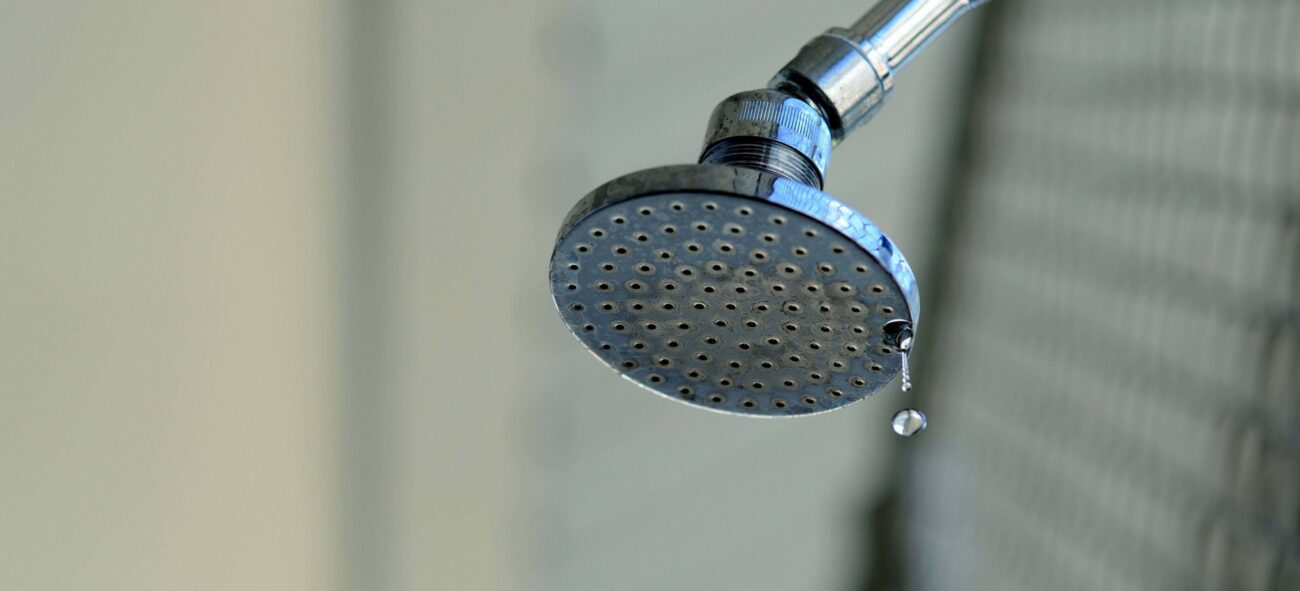
A leaking showerhead not only wastes water but can also lead to higher utility bills. This issue is often caused by worn-out washers or seals in the showerhead, or a loose connection between the showerhead and the pipe.
Solutions
Begin by checking the connection between the showerhead and the pipe. Tighten it if necessary using a wrench, but be careful not to over-tighten as this can cause damage. If the leak persists, disassemble the showerhead and inspect the washer or O-ring. Replace any worn-out parts to restore a tight seal. Applying plumber’s tape to the threads can also help prevent leaks.
Constant Dripping
Causes
A shower that continues to drip after being turned off can be both annoying and wasteful. This issue is typically caused by a faulty shower valve or cartridge, which fails to close completely and allows water to drip through.
Solutions
To fix a constantly dripping shower, you may need to replace the faulty valve or cartridge. Begin by turning off the water supply to the shower. Remove the handle and trim to access the valve or cartridge. Once identified, replace the defective part with a matching component. This task can be intricate, so if you are unsure, consider contacting a professional plumber for assistance.
Temperature Fluctuations
Causes
Sudden changes in water temperature during a shower can be uncomfortable and even dangerous. This problem often arises from issues with the water heater, mixing valve, or pressure-balancing valve.
Solutions
Begin by checking the water heater settings to ensure it is functioning correctly and set to an appropriate temperature. If the issue persists, inspect the mixing valve and pressure-balancing valve for signs of wear or malfunction. Replacing these components may be necessary to maintain consistent water temperature. Consulting a professional plumber can ensure a proper diagnosis and solution.
Shower Valve Malfunctions
Causes
Shower valves control the flow and temperature of water in your shower. Malfunctions can lead to issues such as difficulty in adjusting water temperature or reduced water flow. These problems are often caused by mineral deposits, worn-out parts, or improper installation.
Solutions
To address shower valve malfunctions, start by cleaning the valve to remove any mineral deposits. If cleaning does not resolve the issue, you may need to replace worn-out parts such as the cartridge or seals. Ensure proper installation and alignment of the valve to prevent future problems. If necessary, seek professional plumbing assistance to avoid further complications.
Faucet Handle Issues
Causes
Problems with the shower faucet handle, such as stiffness or difficulty in turning, can affect the ease of use and water flow control. These issues are often caused by wear and tear, corrosion, or mineral buildup around the handle mechanism.
Solutions
To fix faucet handle issues, start by removing the handle and cleaning any visible mineral deposits or corrosion. Lubricate the handle mechanism with plumber’s grease to ensure smooth operation. If the handle is damaged or worn out, consider replacing it with a new one to restore functionality.
Conclusion
Showers are a vital part of our daily lives, and maintaining their proper function is essential for a comfortable and efficient bathroom experience. By understanding common shower plumbing problems and their solutions, you can address issues promptly and prevent further complications. Whether it’s low water pressure, a clogged drain, or a malfunctioning valve, the solutions provided in this article can help you restore your shower’s functionality and enjoy a refreshing shower experience once again. For complex issues or if you’re unsure of your plumbing skills, don’t hesitate to seek the expertise of a professional plumber.
