
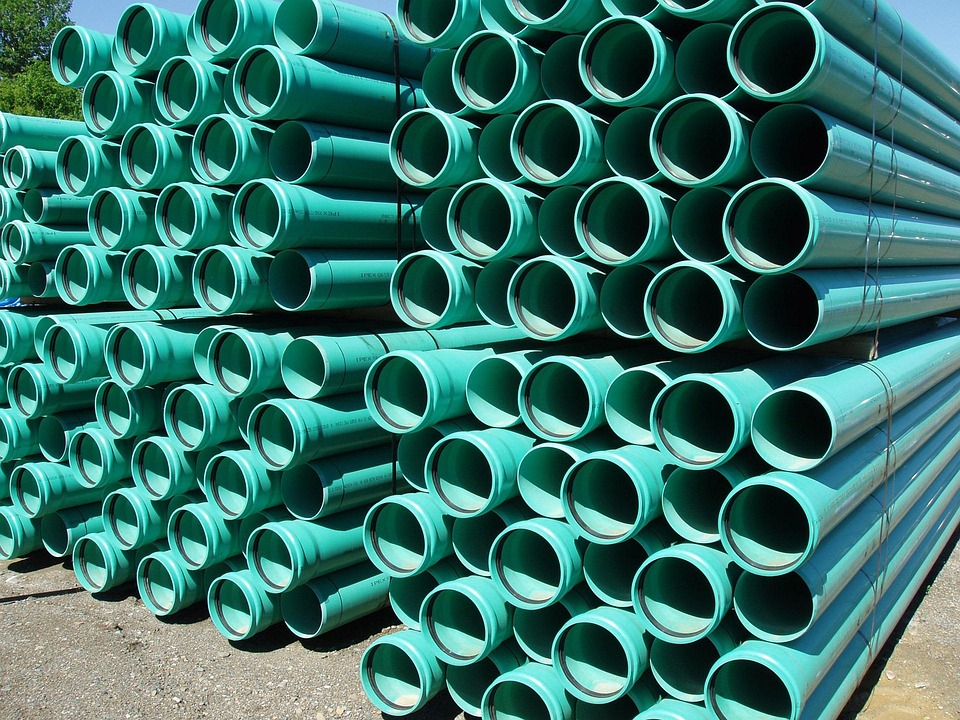
Embarking on a DIY plumbing project can be a rewarding endeavor, allowing you to save money, learn new skills, and customize your home’s plumbing system. One of the most crucial decisions in any plumbing project is choosing the right type of pipe. With various materials available, each offering distinct advantages and suited to specific applications, understanding the differences between pipe types is essential. This article explores the top plumbing pipe types ideal for DIY projects, providing insights to help you make informed decisions.
Copper Pipes
Copper pipes have been a staple in plumbing for decades due to their durability and reliability. They are known for their excellent thermal conductivity, making them perfect for hot water supply lines. Copper’s resistance to corrosion and its ability to withstand high temperatures make it a popular choice for both professionals and DIY enthusiasts.
Types of Copper Pipes
- Type K: This type has the thickest walls, making it suitable for underground installations and main water lines.
- Type L: Commonly used in interior plumbing and some outdoor applications, Type L offers a good balance between cost and durability.
- Type M: With thinner walls, Type M is more affordable but less durable, making it suitable for above-ground installations.
Advantages of Copper Pipes
- Longevity: Copper pipes can last over 50 years if installed properly.
- Heat Resistance: They can handle high temperatures without degrading.
- Corrosion Resistance: Copper does not rust, making it ideal for water lines.
Limitations of Copper Pipes
- Cost: Copper is more expensive than many other materials.
- Installation: Requires soldering skills, which may be challenging for beginners.
PEX Pipes
PEX (cross-linked polyethylene) pipes have become increasingly popular in recent years, especially among DIYers. They offer flexibility and ease of installation, making them a favorite for both new constructions and remodeling projects. PEX pipes are suitable for both hot and cold water supply lines.
Advantages of PEX Pipes
- Flexibility: PEX can bend around corners, reducing the number of fittings needed.
- Ease of Installation: Requires fewer tools and fittings, making it ideal for DIY projects.
- Cost-Effective: Generally cheaper than copper and requires less labor for installation.
Limitations of PEX Pipes
- UV Sensitivity: PEX should not be exposed to direct sunlight, which can degrade the material.
- Not Suitable for Outdoors: Not recommended for outdoor use due to its susceptibility to UV damage and potential for freezing in cold climates.
PVC Pipes
Polyvinyl Chloride (PVC) pipes are widely used in plumbing for both drainage and water supply applications. They are especially popular in DIY projects because they are lightweight, easy to work with, and relatively inexpensive.
Types of PVC Pipes
- Schedule 40: Commonly used for drainage, waste, and vent applications. It has a thinner wall than Schedule 80.
- Schedule 80: Has thicker walls and is used in applications where higher pressure is expected.
Advantages of PVC Pipes
- Corrosion Resistance: PVC does not rust or corrode, making it suitable for a wide range of applications.
- Affordability: PVC is one of the most cost-effective plumbing materials available.
- Ease of Use: Easy to cut, join, and install.
Limitations of PVC Pipes
- Temperature Sensitivity: Not suitable for hot water applications as it can warp or melt.
- Chemical Sensitivity: Can be degraded by certain solvents and chemicals.
CPVC Pipes
Chlorinated Polyvinyl Chloride (CPVC) is similar to PVC but treated with chlorine, making it suitable for hot water applications. CPVC is a versatile material used in both residential and commercial plumbing projects.
Advantages of CPVC Pipes
- Heat Resistance: Can handle higher temperatures than standard PVC, making it suitable for hot water lines.
- Corrosion Resistance: Like PVC, CPVC does not corrode or rust.
Limitations of CPVC Pipes
- Brittleness: CPVC is more brittle than other materials, making it susceptible to cracking.
- Cost: More expensive than PVC, though generally cheaper than copper.
Galvanized Steel Pipes
Galvanized steel pipes were once the standard for water supply lines but have fallen out of favor due to the introduction of more modern materials. However, they are still found in older homes and are suitable for certain applications.
Advantages of Galvanized Steel Pipes
- Durability: Known for their strength and ability to withstand high pressure.
- Corrosion Resistance: The zinc coating on galvanized pipes helps protect against rust.
Limitations of Galvanized Steel Pipes
- Weight: Heavier than other materials, making installation more labor-intensive.
- Corrosion Over Time: The zinc coating wears off over time, leading to rust and potential leaks.
Conclusion
Choosing the right type of plumbing pipe is critical to the success of any DIY plumbing project. Each material offers unique benefits and is suited to specific applications. Copper pipes are known for their durability and resistance to high temperatures, while PEX pipes offer flexibility and ease of installation. PVC and CPVC pipes provide cost-effective solutions for various plumbing needs, with CPVC being suitable for hot water lines. Galvanized steel pipes, although less common today, are still used in certain situations for their strength and durability.
When selecting the appropriate pipe type for your project, consider factors such as the intended application, environmental conditions, budget, and your level of expertise in handling the material. By understanding the characteristics and limitations of each pipe type, you can make informed decisions and ensure the success and longevity of your DIY plumbing endeavors.
Remember, while DIY plumbing projects can be fulfilling, they also require careful planning and execution. If you’re unsure about any aspect of your project, consult with a professional to avoid costly mistakes and ensure the safety and efficiency of your plumbing system.
