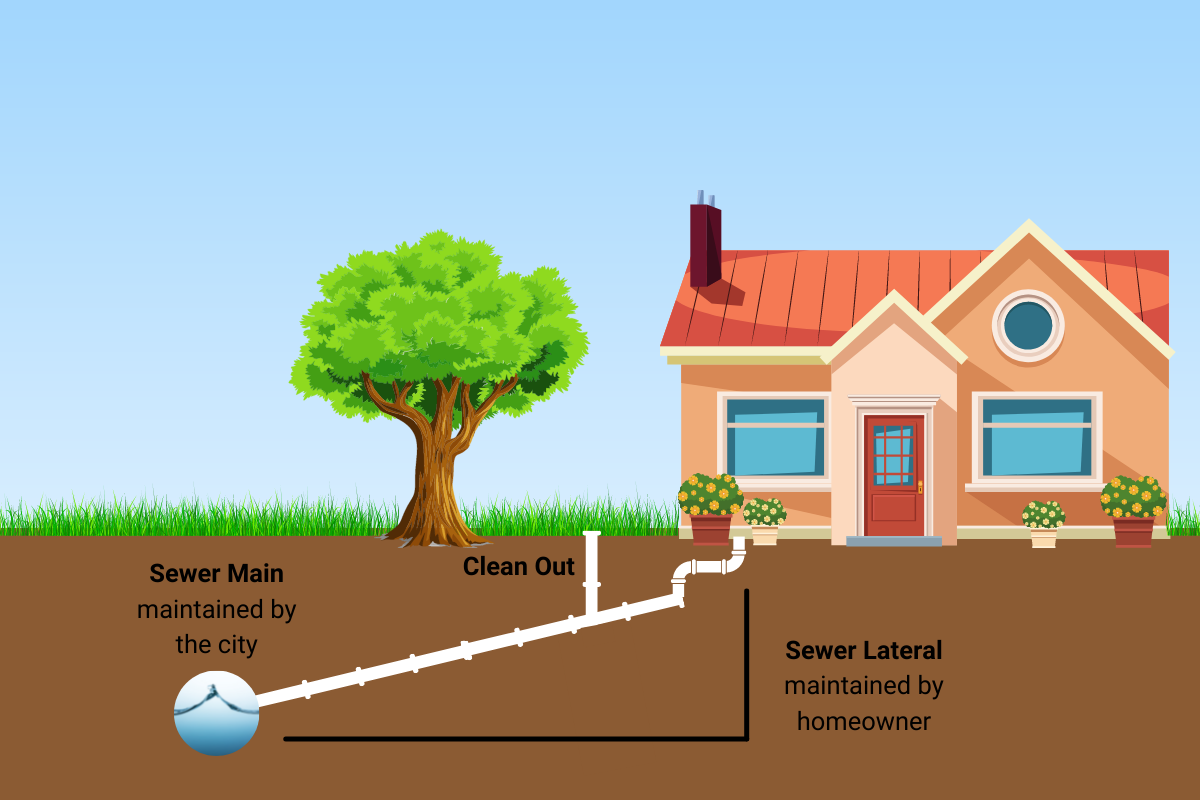
Sewer line issues can be a homeowner’s nightmare, often leading to unpleasant odors, slow drains, or even water damage. Addressing these problems promptly and effectively is crucial to maintaining a healthy and functional home environment. This article provides a comprehensive guide to understanding and implementing effective sewer line repair techniques for homeowners.
Understanding Sewer Line Issues
Before diving into repair techniques, it’s essential to understand the common causes of sewer line issues. These can include:
- Tree Root Intrusion: Tree roots naturally seek moisture and can infiltrate sewer lines through small cracks or joints, causing blockages or even pipe collapse.
- Pipe Corrosion: Older homes may have pipes made from materials like cast iron, which can corrode over time, leading to leaks and breaks.
- Blockages: Accumulation of debris, grease, or non-flushable items can cause blockages, reducing the efficiency of your sewer system.
- Ground Shifts: Natural shifts in the earth can cause pipes to misalign, crack, or break.
Initial Assessment and Diagnosis
Before performing any repair work, it’s crucial to thoroughly assess the situation. Here are some steps to follow:
Visual Inspection
Begin with a visual inspection of the property. Look for signs of sewer line issues such as soggy patches in the yard, foul odors, or slow drains. These indicators can help you pinpoint the problem area.
Using a Sewer Camera
A sewer camera inspection is a non-invasive method that allows you to visually inspect the interior of your sewer lines. By inserting a flexible camera into the pipes, you can identify the exact location and cause of the problem, be it a blockage, root intrusion, or pipe damage.
Hydrostatic Pressure Testing
This test helps identify leaks by monitoring water pressure levels within the sewer lines. A significant drop in pressure indicates a leak, helping to pinpoint areas in need of repair.
Effective Repair Techniques
Once the problem has been diagnosed, homeowners can explore several effective sewer line repair techniques. Here are some of the most common methods:
Pipe Relining
Pipe relining is an innovative and less invasive technique that involves creating a new pipe within the existing damaged pipe. Here’s how it works:
- Cleaning: The damaged pipe is thoroughly cleaned using a hydro jet to remove debris and blockages.
- Lining the Pipe: A flexible, resin-coated tube is inserted into the damaged pipe. Once in place, the tube is inflated, pressing the resin against the inner walls of the existing pipe.
- Curing: The resin is allowed to cure, forming a new, durable pipe within the old one.
This method is cost-effective and minimizes the need for excavation, preserving landscaping and reducing repair time.
Pipe Bursting
Pipe bursting is a trenchless method used to replace severely damaged pipes. The process involves:
- Inserting a Bursting Head: A bursting head is pulled through the old pipe, breaking it apart while simultaneously laying a new pipe behind it.
- Replacing the Pipe: The new pipe is installed in the same path as the old one, ensuring proper alignment and functionality.
This technique is ideal for replacing long stretches of pipe without the need for extensive excavation, making it less disruptive and more efficient.
Spot Repair
For localized damage, spot repair can be a practical solution. This technique involves:
- Excavating the Affected Area: A small section of the ground is excavated to access the damaged portion of the pipe.
- Replacing the Damaged Section: The damaged section of the pipe is removed and replaced with a new, compatible segment.
Spot repair is suitable for isolated issues and can be completed relatively quickly, though it may require some excavation work.
Root Removal and Prevention
If tree roots are the primary cause of your sewer line issues, removing and preventing them is essential:
- Mechanical Augers: A mechanical auger can be used to cut and clear roots from the sewer line.
- Chemical Root Killers: Applying chemical root killers can prevent future root growth in sewer lines. These chemicals are flushed down the toilet to target the roots directly.
Regular maintenance and inspections can help prevent root-related issues from recurring.
Preventative Measures
Prevention is key to avoiding costly sewer line repairs in the future. Here are some preventative measures homeowners can take:
Regular Inspections
Schedule regular inspections of your sewer lines to catch potential issues early. Early detection can prevent minor problems from escalating into major repairs.
Proper Waste Disposal
Avoid flushing non-biodegradable items, grease, and large debris down the drains. Proper waste disposal can prevent blockages and maintain the integrity of your sewer lines.
Tree and Plant Placement
Be mindful of where trees and large shrubs are planted in relation to sewer lines. Opt for trees with less aggressive root systems, and consider installing root barriers to protect your pipes.
Water Pressure Management
Ensuring that your home’s water pressure is at an optimal level can prevent stress on pipes and reduce the risk of leaks and breaks.
Conclusion
Effective sewer line repair techniques are essential for homeowners to maintain the functionality and integrity of their plumbing systems. By understanding the common causes of sewer line issues, performing thorough assessments, and selecting appropriate repair methods, homeowners can address problems efficiently and prevent future complications. Implementing preventative measures further ensures the long-term health of your sewer lines, saving time, money, and stress in the long run. Regular maintenance and a proactive approach are key to keeping your sewer system in optimal condition.
#ChatGPT assisted in the creation of this article.
