
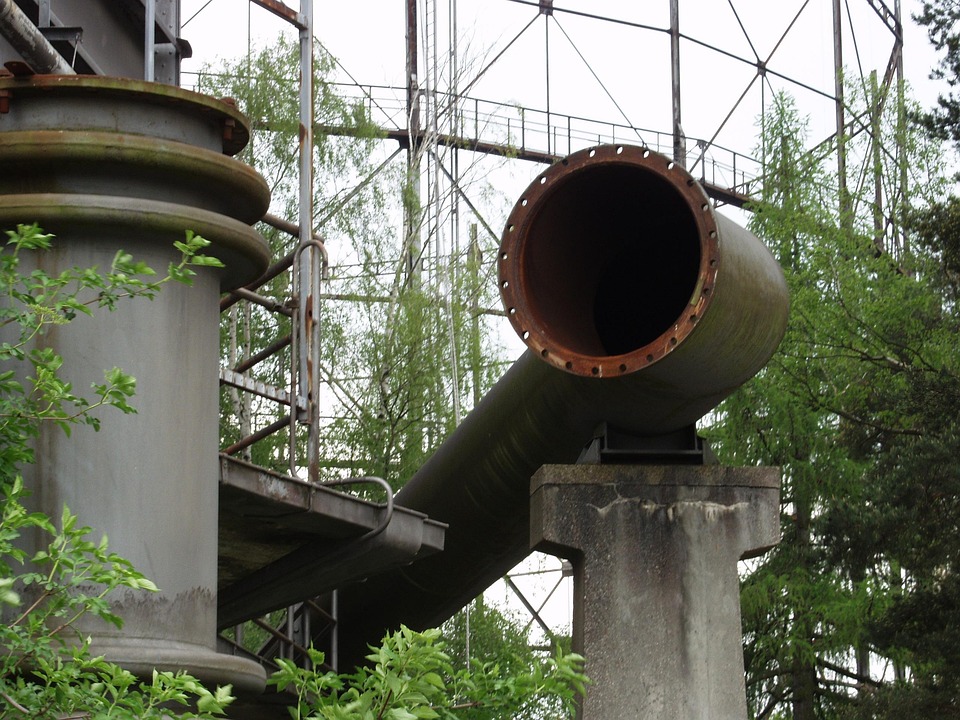
Pipe corrosion is a persistent challenge in various industries, from oil and gas to water treatment facilities. Corrosion can lead to leaks, system failures, and costly repairs if not addressed promptly and effectively. Understanding effective strategies for pipe corrosion repair is crucial for maintaining the integrity and longevity of piping systems. This article explores various methods and approaches to ensure successful pipe corrosion repair.
Understanding Pipe Corrosion
Causes of Pipe Corrosion
Pipe corrosion occurs when metals in the pipes react with environmental elements, leading to the gradual deterioration of the pipe material. Common causes include:
– **Electrochemical Reactions**: Often occur due to the presence of water and oxygen, leading to rust.
– **Microbial Influences**: Certain bacteria can accelerate corrosion through biological activity.
– **Chemical Exposure**: Pipes exposed to harsh chemicals can corrode quickly.
– **Physical Damage**: Scratches or dents can remove protective coatings, exposing the metal to corrosive elements.
Types of Corrosion
Understanding the types of corrosion can inform the repair strategy:
– **Uniform Corrosion**: Evenly distributed across the surface.
– **Pitting Corrosion**: Localized, leading to small holes.
– **Crevice Corrosion**: Occurs in shielded areas where stagnant fluid is present.
– **Galvanic Corrosion**: Happens when two different metals are in contact in a corrosive environment.
Strategies for Pipe Corrosion Repair Success
1. Regular Inspection and Monitoring
Regular inspection and monitoring are foundational to any effective corrosion management strategy. Implementing periodic checks helps in early detection of corrosion, allowing for timely interventions:
– **Visual Inspections**: Regular visual checks can help identify signs of corrosion such as discoloration or flaking.
– **Ultrasonic Testing**: Measures the thickness of the pipe walls to detect thinning.
– **Corrosion Coupons**: Small metal pieces placed within the system to monitor corrosion rates.
– **Smart Sensors**: Advanced sensors can provide real-time data on corrosion progression.
2. Cathodic Protection
Cathodic protection is a widely used method to control the corrosion of metal surfaces by making them the cathode of an electrochemical cell. This strategy can be implemented through:
– **Sacrificial Anodes**: Made of metals like magnesium or zinc, these anodes corrode instead of the pipe.
– **Impressed Current Systems**: Use an external power source to provide a constant protective current.
3. Coatings and Linings
Applying protective coatings or linings can significantly extend the life of pipes by providing a barrier between the metal and the corrosive environment:
– **Epoxy Coatings**: Provide a durable protective layer against chemical exposure.
– **Polyurethane Linings**: Offer flexibility and excellent abrasion resistance.
– **Cement Mortar Linings**: Common in water pipes, providing a barrier against corrosive elements.
4. Material Selection
Choosing the right material for pipes is a proactive step in preventing corrosion:
– **Stainless Steel**: Resists corrosion due to its chromium content.
– **Copper**: Naturally resistant to certain types of corrosion and biofouling.
– **Plastic Pipes**: Inert to most chemical reactions, though not suitable for high-pressure systems.
5. Pipe Replacement
In cases where corrosion damage is extensive, replacing the affected sections of the piping may be the most viable solution:
– **Partial Replacement**: Targeting specific sections that are severely corroded.
– **Complete Overhaul**: Necessary when the entire system is compromised.
6. Advanced Repair Techniques
Innovative repair techniques can offer more efficient solutions to pipe corrosion:
– **Pipe Relining**: Involves inserting a new liner into the existing pipe, forming a corrosion-resistant barrier.
– **Spray-On Liners**: Utilize a spray technique to apply protective coatings to the interior of pipes.
– **Composite Wraps**: Wraps made of composite materials are used to reinforce and seal damaged areas.
Case Studies of Successful Pipe Corrosion Repair
Oil and Gas Industry
In the oil and gas sector, a company faced severe corrosion in its pipeline network due to harsh environmental conditions. By implementing cathodic protection and regular ultrasonic testing, they were able to reduce corrosion rates significantly, avoiding potential system shutdowns and severe financial losses.
Municipal Water Systems
A city’s aging water infrastructure was plagued by frequent leaks caused by corrosion. The municipality opted for a comprehensive approach, including cement mortar linings and the use of smart sensors for real-time monitoring, resulting in a significant reduction in water loss and maintenance costs.
Conclusion
Effective strategies for pipe corrosion repair are essential for ensuring the safety, reliability, and longevity of piping systems across various industries. By understanding the causes and types of corrosion, implementing regular monitoring, and utilizing both traditional and advanced repair techniques, organizations can not only mitigate the impact of corrosion but also enhance operational efficiencies. The adoption of a proactive approach in corrosion management will ultimately lead to improved system integrity and cost savings.
Future Trends in Pipe Corrosion Repair
The future of pipe corrosion repair lies in the integration of technology and innovative materials. Developments in smart coatings that can self-heal minor damages and advancements in AI-driven monitoring systems hold great promise for the industry. Moreover, increasing focus on sustainability is likely to drive the adoption of eco-friendly materials and processes in corrosion management.
In conclusion, while pipe corrosion remains a complex challenge, a strategic approach combining preventative measures and cutting-edge repair techniques can lead to successful outcomes. By staying informed about the latest trends and technologies, industries can effectively combat corrosion and ensure the longevity of their piping systems.
