Pipes are integral components of any plumbing system, whether in residential, commercial, or industrial settings. They are responsible for transporting water, gases, and waste, making them critical to the overall functionality and efficiency of various systems. Proper maintenance of pipes ensures not only optimal performance but also extends their lifespan, prevents costly repairs, and safeguards against potential hazards. This article will delve into essential pipe maintenance tips that will help maintain optimal performance and ensure safety and efficiency in your plumbing system.
Understanding Your Plumbing System
Before diving into maintenance tips, it’s crucial to understand your plumbing system’s layout and the materials used in your pipes. This knowledge will guide you in applying the correct maintenance techniques and using appropriate products.
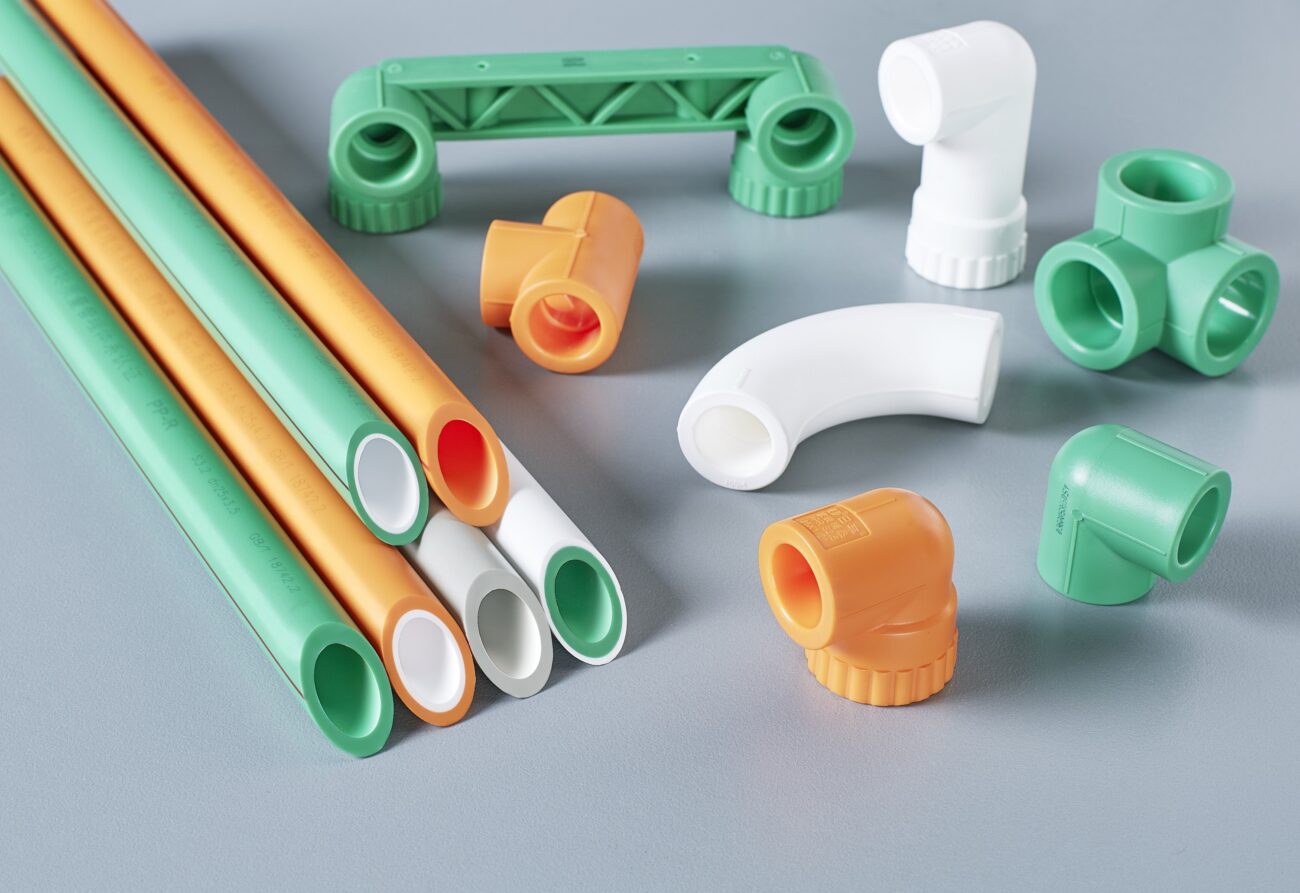
Types of Pipes
1. **Copper Pipes:** Known for durability and resistance to corrosion, copper pipes are commonly used for water supply lines.
2. **PVC Pipes:** These are lightweight and used for drainage, waste, and vent systems.
3. **Galvanized Steel Pipes:** Once popular for water supply, these pipes are prone to rust and corrosion over time.
4. **PEX Pipes:** Flexible and resistant to scale and chlorine, PEX pipes are ideal for water supply lines.
5. **Cast Iron Pipes:** Often used for sewer systems, they are known for their durability and soundproofing qualities.
Understanding the types of pipes in your system will help you tailor your maintenance approach accordingly.
Regular Inspections
Conducting regular inspections is the cornerstone of effective pipe maintenance. Inspections help identify potential problems before they escalate into significant issues.
Visual Inspections
Perform visual inspections at least twice a year. Look for signs of leaks, corrosion, and any visible damage. Pay attention to wet spots, discoloration, and unusual odors, as these may indicate hidden leaks.
Professional Inspections
Consider hiring a professional plumber for a comprehensive inspection every few years. Professionals use specialized tools and techniques, such as camera inspections, to identify hidden issues within your pipes.
Preventive Cleaning
Keeping pipes clean is essential in preventing clogs and ensuring smooth flow. Different types of pipes require different cleaning methods.
Drain Cleaning
1. **Regular Flushing:** Flush drains with hot water once a month to prevent buildup.
2. **Use of Baking Soda and Vinegar:** For a natural cleaning solution, pour a mixture of baking soda and vinegar down the drain, followed by hot water.
3. **Avoid Chemical Cleaners:** While effective, chemical drain cleaners can damage pipes over time.
Pipe Descaling
For metal pipes, descaling is crucial to remove mineral deposits that accumulate over time. Use descaling solutions specifically designed for plumbing systems or hire a professional for this task.
Leak Detection and Repair
Leaks can cause significant water damage and increase utility bills. Early detection and repair are vital.
Signs of Leaks
1. **Water Stains:** Look for stains on walls, ceilings, and floors.
2. **Unusual Water Bills:** A sudden increase in your water bill might indicate a hidden leak.
3. **Mold and Mildew:** Excess moisture from leaks fosters mold and mildew growth.
Repair Techniques
1. **Patch Kits:** Use pipe patch kits to fix small leaks temporarily.
2. **Pipe Clamps:** For larger leaks, pipe clamps offer a more robust temporary solution until professional repair is possible.
3. **Professional Repairs:** For permanent solutions, hire a licensed plumber to repair or replace damaged pipes.
Insulating Pipes
Insulating pipes is essential to prevent them from freezing in cold weather and to maintain energy efficiency.
Benefits of Pipe Insulation
1. **Prevents Freezing:** Insulated pipes are less likely to freeze and burst during winter.
2. **Energy Efficiency:** Insulation helps maintain the temperature of hot water, reducing energy consumption.
3. **Condensation Control:** Prevents moisture buildup and mold growth.
Types of Pipe Insulation
1. **Foam Insulation:** Easy to install and suitable for most pipe types.
2. **Fiberglass Insulation:** Ideal for high-temperature pipes.
3. **Rubber Insulation:** Flexible and resistant to UV rays, making it suitable for outdoor pipes.
Pressure Regulation
High water pressure can strain pipes, leading to leaks and damage. Maintaining optimal water pressure is crucial for pipe longevity.
Check and Adjust Pressure
1. **Install a Pressure Regulator:** If your water pressure is consistently high, install a pressure regulator to maintain it within safe levels.
2. **Monitor Pressure Regularly:** Use a pressure gauge to check water pressure periodically and adjust as needed.
Addressing Corrosion
Corrosion is a common issue, particularly in metal pipes. Addressing corrosion promptly prevents leaks and structural damage.
Corrosion Prevention
1. **Use Corrosion-Resistant Materials:** Opt for pipes made from materials resistant to corrosion, such as copper or PEX.
2. **Apply Protective Coatings:** For metal pipes, consider applying protective coatings to prevent rust and corrosion.
Corrosion Treatment
1. **Replace Corroded Sections:** Severely corroded pipes should be replaced to prevent further damage.
2. **Cathodic Protection:** This technique involves using a sacrificial anode to prevent corrosion in metal pipes.
Implementing Safety Measures
Safety should be a priority when maintaining pipes, especially when dealing with repairs and inspections.
Safety Precautions
1. **Use Protective Gear:** Wear gloves, goggles, and masks when handling chemicals or working in confined spaces.
2. **Turn Off Water Supply:** Before performing any repairs, turn off the water supply to prevent accidents.
3. **Follow Manufacturer Guidelines:** Adhere to the manufacturer’s instructions when using cleaning products or tools.
Hiring Professionals
While DIY maintenance is feasible for minor tasks, hiring professionals for complex repairs ensures safety and compliance with regulations.
Conclusion
Regular maintenance is key to ensuring the optimal performance and longevity of your piping system. By understanding your plumbing system and implementing these essential pipe maintenance tips, you can prevent costly repairs, enhance efficiency, and ensure safety. Whether through regular inspections, preventive cleaning, leak detection, or pressure regulation, each aspect of maintenance plays a crucial role in the proper functioning of your pipes. Remember, when in doubt, always consult with a professional plumber to safeguard your system and investment.
