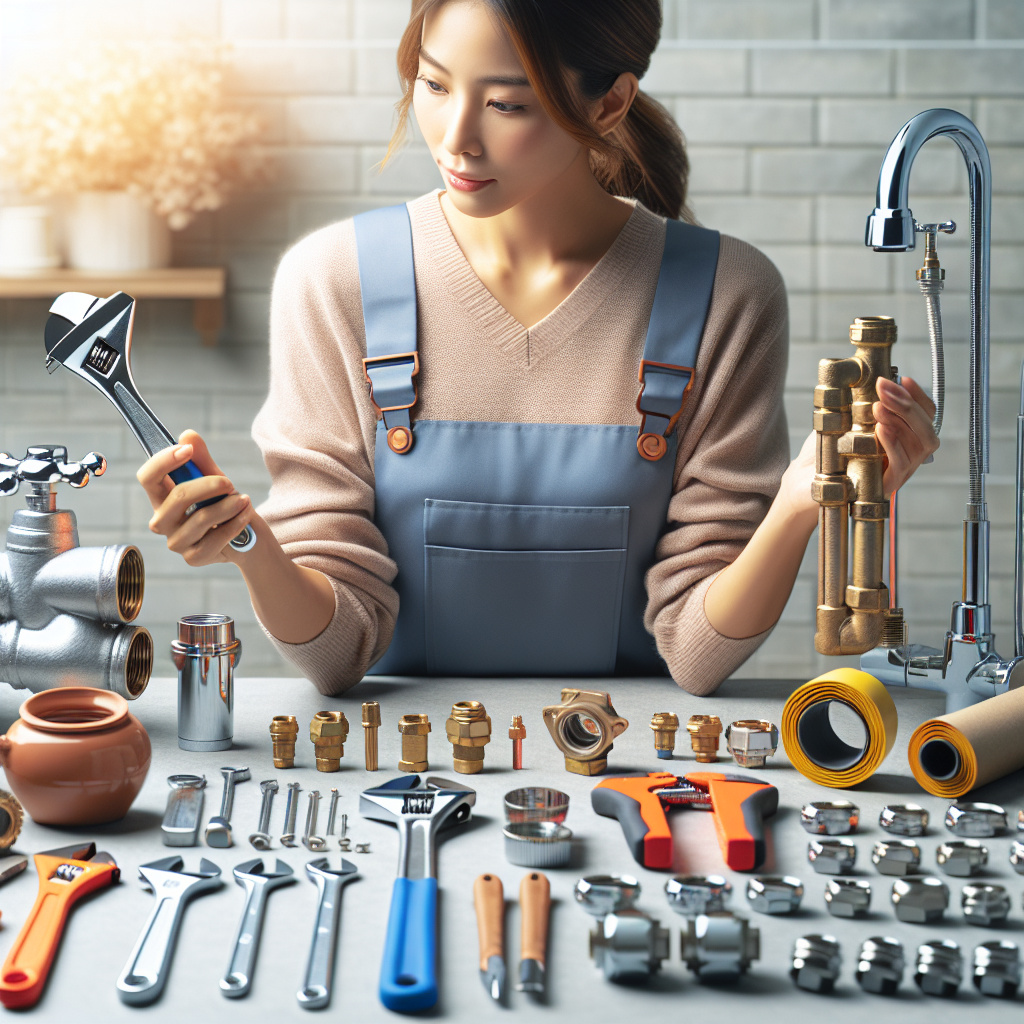
Plumbing is an essential aspect of any home, ensuring that water flows smoothly and waste is efficiently disposed of. However, like any other system in your home, plumbing requires regular maintenance to function optimally. Neglecting plumbing maintenance can lead to costly repairs, water damage, and potential health hazards. This article outlines an essential plumbing maintenance checklist for homeowners, helping you keep your plumbing system in top condition.
Inspect for Leaks
One of the most critical aspects of plumbing maintenance is checking for leaks. Leaks can occur in faucets, toilets, pipes, and other fixtures. Regularly inspect all visible pipes and fixtures for signs of leaks, such as water puddles, damp spots, or mold growth. Even minor leaks can lead to significant water wastage and damage if left unaddressed.
Faucets and Showerheads
Check faucets and showerheads for drips or leaks. Replacing worn-out washers or seals can often fix these issues. If the leak persists, consider replacing the entire fixture.
Toilets
Toilets are notorious for hidden leaks. Add a few drops of food coloring to the toilet tank and wait 15-20 minutes without flushing. If the color appears in the bowl, there is a leak that needs fixing, often by replacing the flapper valve.
Clear and Clean Drains
Drains can easily become clogged with hair, soap scum, grease, and other debris. Regularly cleaning and maintaining drains prevents blockages and reduces the risk of water damage.
Kitchen Drains
Avoid pouring grease or oil down the kitchen sink. Use strainers to catch food particles and regularly flush the drain with hot water and baking soda to break down buildup.
Bathroom Drains
Use a hair catcher in the shower or bathtub drain to prevent clogs. Clean the drain with a mixture of vinegar and baking soda monthly to keep it clear and odor-free.
Maintain Water Heater
The water heater is a crucial component of your plumbing system. Regular maintenance ensures it operates efficiently and extends its lifespan.
Check Temperature Settings
Ensure the water heater temperature is set to a safe level, typically around 120°F (49°C). This prevents scalding and reduces energy consumption.
Flush the Tank
Over time, sediment can accumulate in the water heater tank, reducing efficiency. Flush the tank annually to remove sediment and improve performance.
Inspect and Insulate Pipes
Exposed pipes, especially in unheated areas like basements or crawl spaces, are vulnerable to freezing and bursting in cold weather. Insulating them can prevent this and improve energy efficiency.
Check for Corrosion or Damage
Regularly inspect pipes for signs of corrosion, leaks, or damage. Replace any damaged sections promptly to prevent further issues.
Insulate Exposed Pipes
Use foam pipe insulation to cover exposed pipes, especially in areas prone to freezing. This helps maintain consistent water temperature and prevents freezing.
Test Water Pressure
Water pressure that is too high or too low can indicate underlying plumbing issues. Test water pressure using a pressure gauge attached to an outdoor faucet. Ideal residential water pressure is typically between 40-60 psi.
Adjust Pressure Regulator
If water pressure is too high, adjust the pressure regulator to a safer level. If the pressure is too low, check for leaks or blockages in the system.
Examine Sump Pump
A sump pump is vital for preventing basement flooding. Regular maintenance ensures it functions correctly when needed.
Test the Pump
Pour water into the sump pit to ensure the pump activates and drains the water efficiently. Test the pump at least once a year, preferably before the rainy season.
Clean the Pit
Remove debris and sediment from the sump pit regularly to prevent clogs and pump failure.
Inspect Sewer Lines
Sewer line issues can lead to severe plumbing problems and health hazards. Regular inspections can prevent costly repairs and inconvenience.
Look for Signs of Blockage
Watch for slow drains, gurgling sounds, or foul odors, which can indicate sewer line blockages. Address these issues promptly to prevent backups.
Consider a Professional Inspection
Every few years, consider hiring a professional plumber to inspect your sewer lines with a camera. This can identify potential issues before they become major problems.
Check for Mold and Mildew
Mold and mildew thrive in damp environments, often indicating leaks or poor ventilation. Regular inspections can prevent health risks and property damage.
Inspect Bathrooms and Kitchens
Check for mold or mildew around sinks, tubs, showers, and under cabinets. Address any leaks or ventilation issues to prevent growth.
Improve Ventilation
Ensure proper ventilation in bathrooms and kitchens to reduce humidity and prevent mold growth. Use exhaust fans or open windows when bathing or cooking.
Know When to Call a Professional
While many plumbing maintenance tasks can be handled by homeowners, some issues require professional expertise. Know when to call a licensed plumber to avoid exacerbating problems or causing damage.
Persistent Leaks or Blockages
If leaks or blockages persist despite your efforts, it’s time to call a professional. They can diagnose and resolve complex plumbing issues efficiently.
Major Repairs or Installations
For major repairs or new fixture installations, rely on a professional plumber to ensure the work is done correctly and complies with local codes.
Conclusion
Regular plumbing maintenance is essential for preventing costly repairs and ensuring the efficient operation of your home’s plumbing system. By following this essential plumbing maintenance checklist, homeowners can protect their property, conserve water, and maintain a safe and healthy living environment. Remember that while many tasks can be performed independently, seeking professional assistance for complex issues is always a wise decision. Prioritize plumbing maintenance to enjoy peace of mind and a well-functioning home.
