Maintaining a home’s plumbing system is crucial for ensuring longevity, efficiency, and safety. While it might not be the most glamorous aspect of homeownership, regular plumbing maintenance can prevent costly repairs and extend the life of your fixtures and pipes. This guide will provide homeowners with essential tips and practices to keep their plumbing systems running smoothly.
Understanding Your Plumbing System
Before diving into maintenance tips, it’s important to understand the basic components of your plumbing system. A typical home plumbing system includes water supply lines, drain lines, fixtures (such as sinks, toilets, and showers), and various valves. Knowing the location of your main water shut-off valve and understanding how to turn it off in an emergency is crucial.
Regular Inspection
One of the most effective ways to prevent plumbing issues is through regular inspection. Check under sinks, around toilets, and near water heaters for signs of leaks. Look for corrosion on pipes and any signs of moisture or mold, which could indicate a hidden leak.
Inspecting Faucets and Fixtures
Faucets and fixtures should be checked for drips or leaks. Even a small drip can waste a significant amount of water over time and increase your water bill. In many cases, replacing a washer or seal can fix the problem.
Checking for Toilet Leaks
Toilets can develop leaks in the tank or bowl. One simple test is to add a few drops of food coloring to the tank and wait about 30 minutes. If the color appears in the bowl without flushing, there is a leak. Often, replacing the flapper valve can resolve this issue.
Maintaining Drains
Clogged drains are a common issue in homes, but they can often be prevented with regular maintenance.
Using Drain Strainers
Install drain strainers in sinks, showers, and tubs to catch hair, soap scum, and other debris. Clean these strainers regularly to ensure they remain effective.
Avoiding Chemical Drain Cleaners
Chemical drain cleaners can be harsh on pipes and are not always effective. Instead, use a plunger or a plumber’s snake to clear clogs. For routine maintenance, a mixture of baking soda and vinegar followed by hot water can help keep drains clear.
Water Heater Maintenance
Your water heater is an essential component of your plumbing system, and regular maintenance can help it operate efficiently.
Flushing the Tank
Over time, sediment can build up in the tank, reducing efficiency and potentially causing damage. Flushing the tank annually will help remove sediment. This involves turning off the water heater, attaching a hose to the drain valve, and directing the water to a safe drainage point.
Inspecting the Anode Rod
The anode rod helps prevent tank corrosion. Check the rod annually and replace it if it’s less than half an inch thick or coated with calcium. This small maintenance task can significantly extend the life of your water heater.
Pipe Maintenance
Pipes are the backbone of your plumbing system, and keeping them in good condition is essential.
Insulating Pipes
In colder climates, insulating pipes can prevent them from freezing and bursting. Use foam pipe insulation to cover exposed pipes, particularly those in basements, attics, or exterior walls.
Monitoring Water Pressure
High water pressure can stress pipes and lead to leaks. Use a pressure gauge to check your home’s water pressure. Ideally, it should be between 40-60 psi. If it’s too high, consider installing a pressure-reducing valve.
Septic System Maintenance
If your home uses a septic system, regular maintenance is crucial to prevent failures and costly repairs.
Pumping the Septic Tank
Septic tanks should be pumped every 3-5 years, depending on usage and tank size. Regular pumping prevents solids from overflowing into the drain field, which can cause significant damage.
Avoiding Certain Chemicals
Harsh chemicals can disrupt the balance of bacteria in your septic system, which are essential for breaking down waste. Avoid flushing or draining bleach, paint, or other hazardous chemicals.
Emergency Preparedness
Despite regular maintenance, plumbing emergencies can still occur. Being prepared can minimize damage and stress.
Knowing When to Call a Professional
While many plumbing tasks can be handled by homeowners, some situations require professional intervention. If you encounter major leaks, sewer backups, or have any doubts about your ability to fix a problem, it’s best to call a licensed plumber.
Keeping Emergency Tools Handy
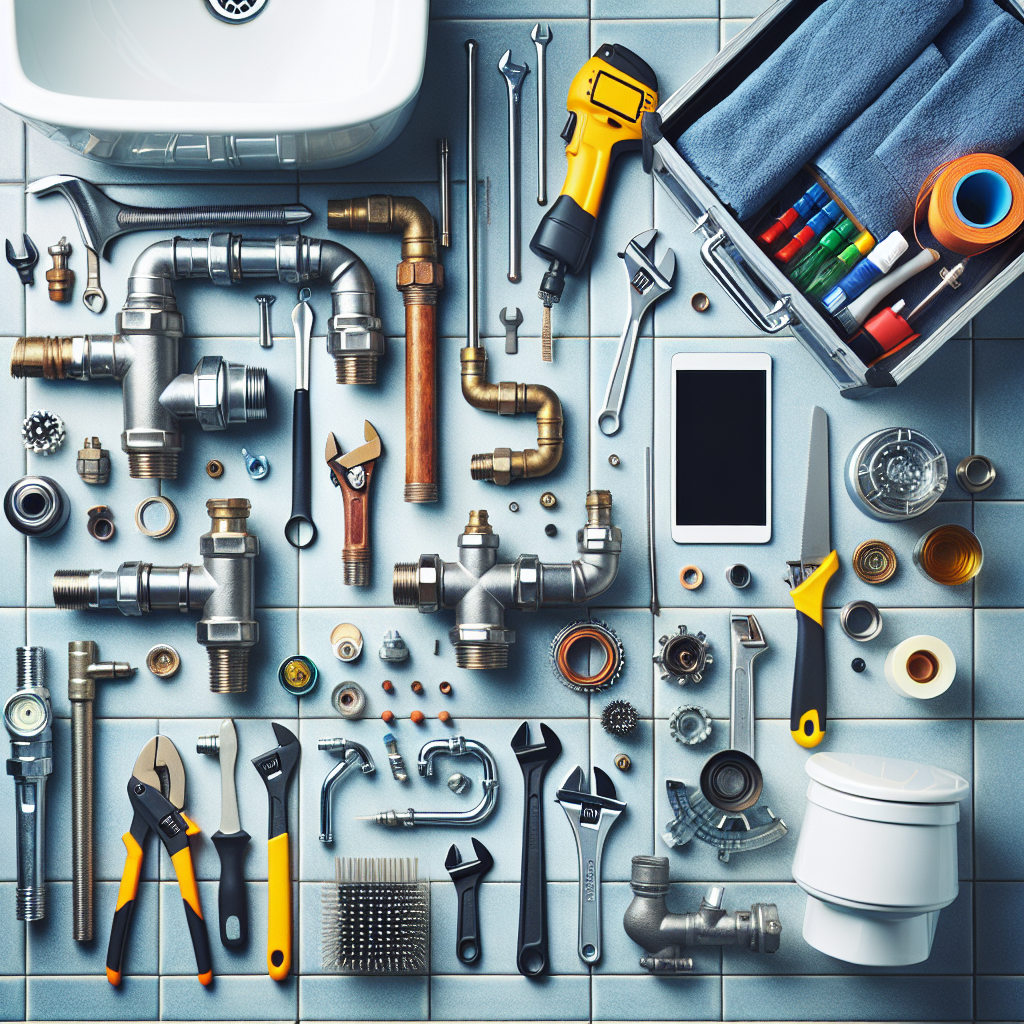
Have basic plumbing tools readily available, such as a plunger, wrench, and plumber’s tape. Knowing how to quickly shut off the main water valve can prevent extensive water damage during a leak.
Conclusion
Regular plumbing maintenance is an essential responsibility for homeowners. By understanding your plumbing system, conducting regular inspections, and performing basic maintenance tasks, you can prevent many common plumbing issues. Remember that professional help is always available for more complex problems. Taking the time to maintain your plumbing system will not only save you money in the long run but also ensure your home remains a safe and comfortable place to live.
#ChatGPT assisted in the creation of this article.
