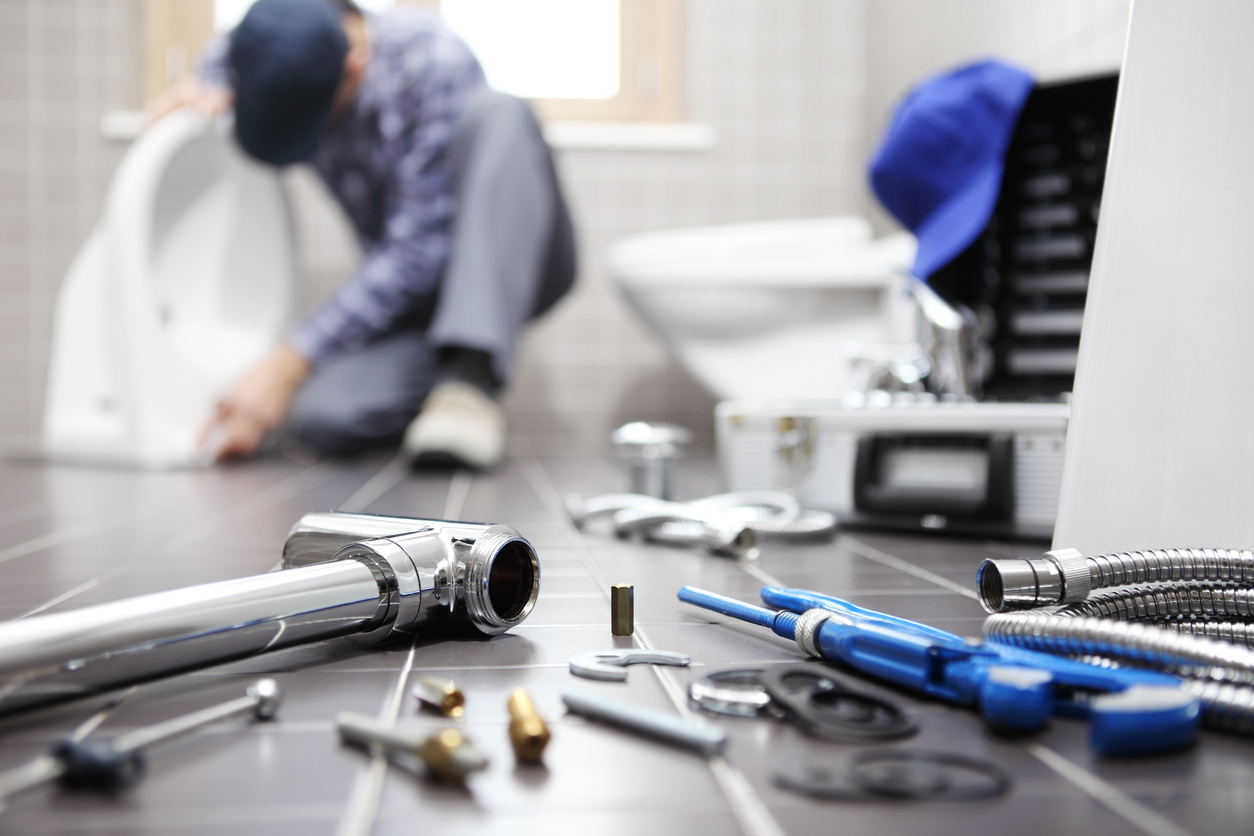
Plumbing is an integral part of any home, responsible for delivering clean water and removing waste efficiently. However, even a minor plumbing issue can lead to significant problems if not addressed promptly. Leaks, in particular, can cause structural damage, mold growth, and increased water bills. This article provides essential plumbing maintenance tips to help homeowners maintain a leak-free home.
Regular Inspection: The First Line of Defense
One of the simplest yet most effective ways to prevent plumbing leaks is through regular inspections. Homeowners should make it a habit to check their plumbing system for signs of wear and tear at least once a year. Key areas to inspect include:
Check for Visible Signs of Leaks
Start by examining all visible pipes under sinks, in basements, and around the house for any signs of moisture or water damage. Look out for water stains on ceilings, walls, and floors, as they can indicate a leak somewhere in the plumbing system.
Inspect Faucets and Showerheads
Leaky faucets and showerheads are common sources of water waste. Even a slow drip can waste gallons of water over time. Ensure that faucets are tightly closed and inspect showerheads for any signs of leakage.
Monitor Water Pressure
High water pressure can put a strain on pipes and lead to leaks. Use a water pressure gauge to check that your home’s water pressure is within the recommended range of 40 to 60 psi. If it exceeds this range, consider installing a pressure-reducing valve.
Maintain Your Water Heater
A well-maintained water heater is crucial for an efficient plumbing system. Regular maintenance can prevent leaks and extend the life of the appliance.
Flush the Tank Annually
Sediment buildup in the water heater tank can cause corrosion and reduce efficiency. Flushing the tank annually helps remove sediment and prevents potential leaks. Turn off the power supply, attach a hose to the drain valve, and direct the water to a suitable drainage area.
Check for Signs of Corrosion
Inspect the water heater tank and its connections for any signs of rust or corrosion. If you notice any, it may be time to replace the unit or the affected parts to prevent leaks.
Care for Your Pipes
Pipes form the backbone of your plumbing system. Taking care of them can prevent leaks and costly repairs.
Insulate Exposed Pipes
During cold weather, exposed pipes are at risk of freezing and bursting. Insulating pipes in unheated areas like basements and attics can prevent this. Use foam pipe insulation or heat tape to protect your pipes.
Be Mindful of What Goes Down the Drain
Clogged drains can lead to increased pressure on pipes and result in leaks. Avoid pouring grease, oil, or large food particles down the kitchen sink. In the bathroom, use drain covers to catch hair and other debris.
Be Aware of Tree Roots
Tree roots can infiltrate underground pipes and cause severe damage. If you have large trees near your home, be vigilant for signs of root intrusion, such as slow drains or gurgling sounds. If suspected, consult a professional plumber to assess and address the issue.
Maintain Your Plumbing Fixtures
Proper maintenance of plumbing fixtures can prevent leaks and prolong their lifespan.
Replace Worn-Out Washers and Seals
Washers and seals in faucets and valves can wear out over time, leading to leaks. Regularly inspect these components and replace them as needed to maintain a watertight seal.
Inspect Toilet Components
Toilets are a common source of plumbing leaks. Check the toilet tank and bowl for cracks, and inspect the flapper valve for wear and tear. A faulty flapper valve can cause water to leak from the tank into the bowl, wasting water.
Professional Help: Know When to Call a Plumber
While many plumbing maintenance tasks can be handled by homeowners, certain situations require professional intervention.
Major Leaks or Pipe Bursts
If you experience a significant leak or a burst pipe, it’s crucial to contact a professional plumber immediately to mitigate damage and ensure proper repairs.
Complex Plumbing Issues
For complex plumbing issues like sewer line problems, extensive pipe replacements, or major installations, it’s advisable to rely on the expertise of a professional plumber to avoid costly mistakes.
Educate Your Household
Educating household members about proper plumbing use and maintenance can go a long way in preventing leaks.
Teach Proper Usage
Ensure that everyone in the household knows the importance of not flushing non-biodegradable items down the toilet and avoiding overloading the garbage disposal with inappropriate waste.
Emergency Shut-Off
Make sure all family members know the location of the main water shut-off valve and how to use it. In the event of a major leak, quickly shutting off the water supply can prevent extensive damage.
Conclusion
Maintaining a leak-free home requires regular inspection, proper care of plumbing components, and timely intervention when issues arise. By following these essential plumbing maintenance tips, homeowners can protect their homes from the damaging effects of leaks and ensure a reliable plumbing system. Remember, proactive maintenance is always more cost-effective than reactive repairs. Stay vigilant, educate your household, and don’t hesitate to call in the professionals when necessary.
