Plumbing is a critical aspect of maintaining the functionality and safety of any residential or commercial property. However, it comes with its own set of risks and hazards. Whether you are a professional plumber or a DIY enthusiast, ensuring your safety while working on plumbing projects is paramount. This guide delves into the essential protective gear needed to maximize safety during plumbing tasks, highlighting the importance of each piece of equipment and how it contributes to a safer work environment.
The Importance of Protective Gear in Plumbing
Plumbing tasks can expose workers to various hazards, including sharp tools, heavy materials, hazardous chemicals, and awkward working conditions. Protective gear serves as a critical barrier against these hazards, minimizing the risk of injury and ensuring that tasks are completed safely and efficiently. By investing in the right protective equipment, plumbers can protect themselves from common injuries such as cuts, burns, and chemical exposure, while also improving their overall work performance.
Essential Protective Gear for Plumbing
1. Safety Glasses or Goggles
Eye protection is crucial in plumbing due to the risk of debris, chemical splashes, and flying particles. Safety glasses or goggles provide a shield against these hazards, preventing eye injuries that could lead to long-term damage. Look for glasses with side protection and anti-fog features to maintain visibility in humid environments.
2. Protective Gloves
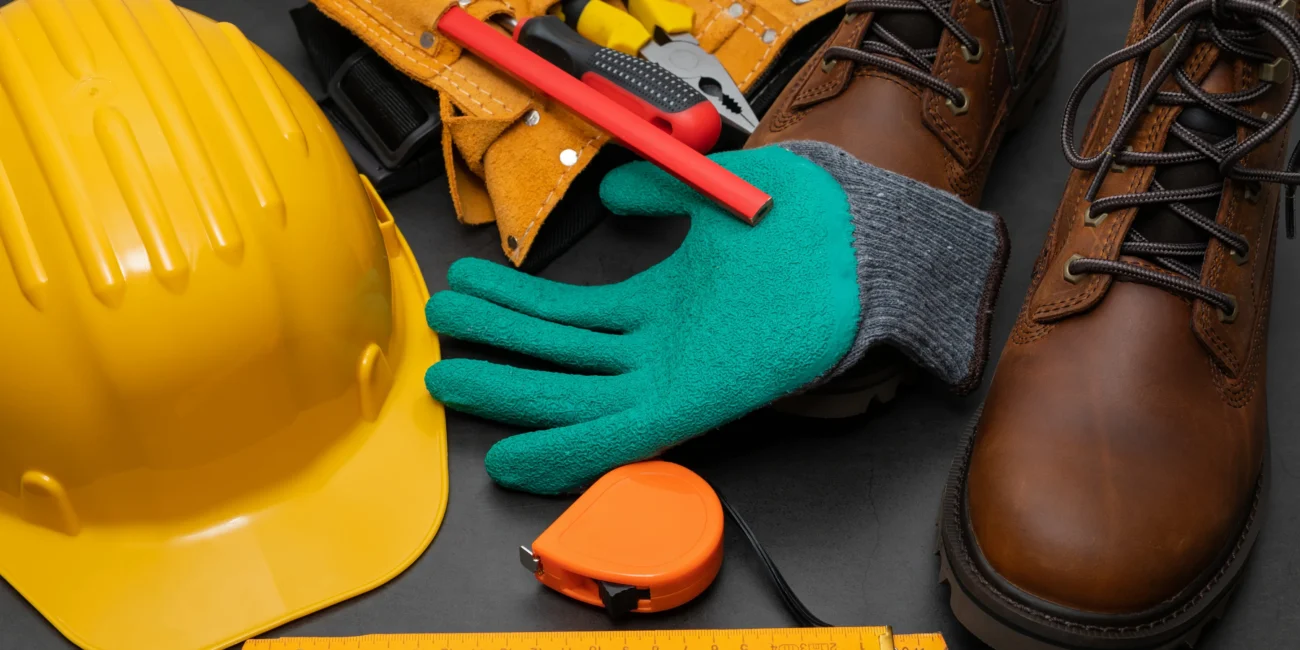
Hands are the most used tools in plumbing, making them susceptible to cuts, abrasions, and chemical burns. Protective gloves are essential for safeguarding your hands against these risks. Choose gloves made from durable materials like nitrile, latex, or rubber, depending on the specific task. These materials offer excellent protection while maintaining dexterity and grip.
3. Steel-Toed Boots
Foot protection is vital in plumbing, where heavy tools and materials pose a significant risk. Steel-toed boots offer robust protection against falling objects and sharp debris. Additionally, they provide slip resistance, which is crucial for maintaining stability on wet or uneven surfaces commonly encountered in plumbing environments.
4. Ear Protection
Plumbing tasks often involve the use of loud power tools, which can lead to hearing damage over time. Ear protection, such as earplugs or earmuffs, helps reduce noise exposure, preventing hearing loss and ensuring compliance with occupational safety standards. Choose ear protection that offers a comfortable fit and appropriate noise reduction rating.
5. Respiratory Protection
Exposure to dust, fumes, and harmful chemicals is a common risk in plumbing. Respiratory protection, such as masks or respirators, is essential for preventing inhalation of hazardous substances. Depending on the task, you may need a simple dust mask or a more sophisticated respirator with filters for chemical protection.
6. Knee Pads
Plumbing often requires working in cramped spaces and on hard surfaces, putting strain on the knees. Knee pads provide cushioning and support, reducing the risk of knee injuries and long-term joint damage. Look for knee pads with adjustable straps and durable padding for maximum comfort and protection.
7. Work Clothing
Appropriate work clothing is crucial for protecting the body from cuts, abrasions, and chemical exposure. Opt for durable, long-sleeved shirts and pants made from materials that resist tears and punctures. Additionally, clothing with reflective strips improves visibility in low-light conditions, enhancing safety on the job site.
Additional Safety Tips for Plumbers
In addition to wearing protective gear, plumbers should adhere to several safety practices to further reduce the risk of injury:
- Conduct Risk Assessments: Before starting any plumbing task, assess the potential risks and prepare accordingly. This step involves identifying hazards, evaluating the risks, and implementing control measures to mitigate them.
- Maintain Proper Tool Usage: Use the right tools for the job and ensure they are well-maintained. Faulty or inappropriate tools can lead to accidents and injuries.
- Keep Workspaces Organized: A cluttered work area increases the risk of trips and falls. Keep tools and materials organized and ensure pathways are clear.
- Stay Informed About Safety Regulations: Stay updated on industry safety standards and regulations to ensure compliance and promote a safe work environment.
Conclusion
Ensuring safety in plumbing projects is a multifaceted approach that requires the right protective gear and adherence to safety practices. By equipping yourself with essential protective equipment such as safety glasses, gloves, steel-toed boots, ear protection, respiratory protection, knee pads, and appropriate work clothing, you can significantly reduce the risk of injury. Additionally, implementing safety measures and staying informed about regulations further enhances the safety of plumbing tasks. Prioritizing safety not only protects workers but also contributes to the successful completion of plumbing projects, benefiting both professionals and DIY enthusiasts alike.
