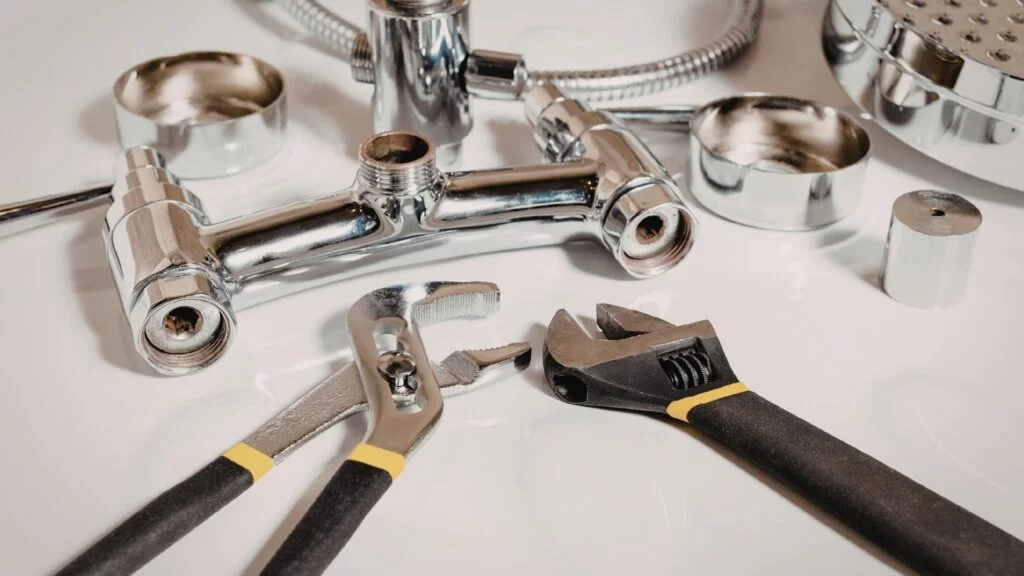
Every homeowner will eventually face a plumbing issue, whether it’s a leaky faucet, a clogged drain, or a running toilet. Having the right tools at your disposal can save you time, money, and the inconvenience of waiting for a professional plumber. This article will guide you through the essential plumbing repair tools that every homeowner should have in their toolkit to handle common plumbing problems efficiently.
Basic Plumbing Tools
Let’s start with the basic tools that are fundamental for any plumbing repair. These tools are versatile, easy to use, and often the first line of defense in any plumbing issue.
Adjustable Wrench
An adjustable wrench is indispensable for a variety of plumbing tasks. This tool is perfect for loosening and tightening nuts and bolts of different sizes. Look for a wrench with a wide jaw capacity and a comfortable grip to ensure you can handle it with ease during repairs.
Pipe Wrench
The pipe wrench is a heavy-duty tool used to grip and turn pipes and fittings with a rounded surface. It’s especially useful for larger pipes and is designed to provide maximum torque. Having both a large and a medium-sized pipe wrench ensures you are prepared for any pipe-related task.
Plunger
No plumbing toolkit is complete without a plunger. This simple tool is crucial for unclogging toilets, sinks, and drains. A flange plunger is particularly effective for toilets because its shape allows for a better seal in the bowl. For sinks, a cup plunger is more appropriate.
Advanced Plumbing Tools
While basic tools can handle many plumbing problems, having a few advanced tools will allow you to tackle more complex issues that may arise.
Plumber’s Tape (Teflon Tape)
Plumber’s tape, also known as Teflon tape, is used to seal pipe threads and prevent leaks at the joints. This thin, white tape is wrapped around threads of pipes and fittings to provide a watertight seal. It’s an essential tool for any repair involving threaded pipes.
Pipe Cutter
A pipe cutter is a specialized tool used to cut pipes cleanly and accurately. There are different types of pipe cutters for various materials, such as copper, PVC, and PEX. Having the right cutter ensures you can make precise cuts, which is crucial when fitting pipes together.
Pipe and Basin Wrench
The pipe wrench is great for larger pipes, but for nuts and bolts in tight spaces, a basin wrench is unbeatable. This tool is designed to reach into hard-to-access areas, such as behind sinks, making it ideal for tightening or loosening nuts that connect the faucet to the sink.
Diagnostic Tools
Identifying the problem accurately is half the battle in plumbing repairs. These diagnostic tools help you determine the cause of issues quickly and effectively.
Plumber’s Snake (Drain Auger)
A plumber’s snake is a flexible tool used to remove clogs from pipes. It is more effective than a plunger when dealing with stubborn blockages. A hand auger is designed for smaller drains, while a power auger can tackle tougher clogs in larger pipes.
Leak Detection Tools
Detecting leaks early can prevent significant water damage and costly repairs. Leak detection tools, such as electronic leak detectors, can help pinpoint the source of a leak by using sound waves or thermal imaging. While these tools can be a bit pricey, they are invaluable for diagnosing hidden leaks.
Pressure Gauge
A pressure gauge is used to measure the water pressure in your plumbing system. Proper water pressure is essential for the efficiency of your plumbing fixtures. A pressure gauge can help you identify if the pressure is too high or too low, which can lead to leaks or inefficiency.
Essential Accessories
In addition to the tools mentioned above, a few essential accessories can make your plumbing repairs more efficient and effective.
Bucket
A sturdy bucket is a must-have for any plumbing project. It’s useful for catching water when you’re working on pipes, carrying tools, or mixing solutions. Choose a durable bucket with a handle for easy transport.
Gloves
Plumbing work can be messy and involves handling sharp tools and materials. A good pair of gloves will protect your hands from cuts and exposure to potentially harmful substances. Look for gloves that are water-resistant and provide a good grip.
Flashlight
Plumbing repairs often require you to work in poorly lit or hard-to-reach areas. A reliable flashlight ensures you can see what you’re doing, reducing the risk of mistakes and accidents. Consider a hands-free headlamp for convenience.
Safety Considerations
While having the right tools is important, safety should always be your top priority when performing plumbing repairs. Here are some safety considerations to keep in mind:
Turn Off Water Supply
Always turn off the water supply before beginning any plumbing repair. This prevents accidental flooding and water damage.
Protective Gear
Wear appropriate protective gear, such as gloves and safety goggles, to protect yourself from injury.
Follow Manufacturer Instructions
Read and follow the manufacturer’s instructions for any tools and materials you use. This ensures you are using them correctly and safely.
Conclusion
Having a well-equipped plumbing toolkit is essential for every homeowner. By investing in the right tools, you can handle common plumbing issues quickly and efficiently, saving you time and money. Remember to prioritize safety and follow best practices to ensure successful repairs. With these essential plumbing tools at your disposal, you’ll be well-prepared to tackle any plumbing challenge that comes your way.
