
Plumbing is an essential aspect of modern living, playing a crucial role in maintaining the functionality and comfort of homes and businesses alike. However, plumbing tasks, whether for repairs, installations, or maintenance, can pose significant safety risks if not handled properly. This guide aims to provide a comprehensive overview of the essential safety tips and best practices for plumbing in 2026, ensuring that both DIY enthusiasts and professional plumbers can operate safely and efficiently.
Understanding the Risks
Before delving into specific safety tips, it’s important to understand the types of risks associated with plumbing work. These can range from exposure to hazardous materials and chemicals to physical injuries from the misuse of tools. Furthermore, improper plumbing can lead to water damage, mold growth, and even structural issues in buildings.
Essential Personal Protective Equipment (PPE)
Eye Protection
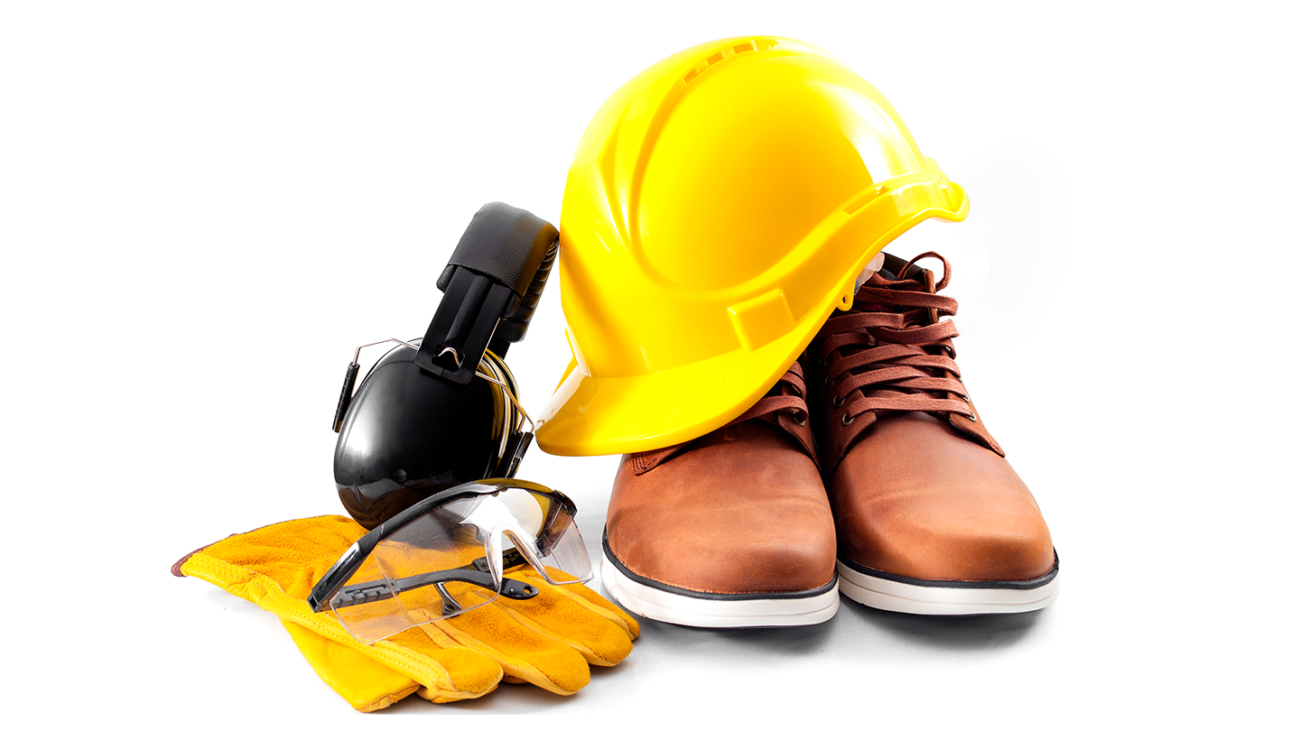
When performing plumbing work, it’s crucial to protect your eyes from debris, splashes, and harmful chemicals. Safety goggles or face shields should be worn at all times, especially when cutting pipes or working with corrosive substances.
Gloves
Gloves are essential for protecting your hands from cuts, abrasions, and chemical burns. Depending on the task, different types of gloves may be required, such as heavy-duty leather gloves for handling tools or nitrile gloves for dealing with chemicals.
Protective Clothing
Wearing appropriate clothing is vital in minimizing exposure to harmful substances. Long-sleeved shirts and pants made from durable materials can offer added protection against splashes and sharp objects.
Footwear
Proper footwear is essential for maintaining stability and preventing injuries. Steel-toed boots with non-slip soles are ideal for plumbing work, providing both protection and grip on wet surfaces.
Safe Handling of Tools and Equipment
Tool Maintenance
Regular maintenance and inspection of tools are crucial for ensuring their safe operation. Check for any signs of wear or damage, and repair or replace tools as necessary. Clean tools after each use to prevent rust and corrosion.
Proper Tool Usage
Understanding how to use each tool correctly is fundamental to preventing accidents. Always follow the manufacturer’s instructions and guidelines, and never use a tool for a purpose other than its intended use.
Power Tools
Power tools present additional risks due to their mechanical nature. Ensure that all power tools are properly grounded and equipped with safety features such as guards and automatic shut-off mechanisms. Always disconnect power tools when not in use.
Safe Work Practices
Understanding the Plumbing System
Before beginning any plumbing work, familiarize yourself with the plumbing system in the building. This includes knowing the location of shut-off valves, understanding the layout of pipes, and being aware of any potential hazards such as asbestos or lead pipes.
Identifying and Mitigating Hazards
Conduct a thorough assessment of the work area to identify potential hazards. This includes checking for leaks, unstable surfaces, and other risks. Implement measures to mitigate these hazards, such as using barriers or signage to warn others of potential dangers.
Working in Confined Spaces
Plumbing work often requires operating in confined spaces, which can pose unique risks such as limited ventilation and restricted movement. Ensure that there is adequate airflow, and be aware of the symptoms of oxygen deficiency and toxic exposure.
Lifting and Carrying
Plumbing work frequently involves lifting heavy objects such as pipes and fixtures. Use proper lifting techniques to prevent strains and injuries. Lift with your legs, keep the load close to your body, and avoid twisting your back while carrying heavy items.
Dealing with Hazardous Materials
Chemicals and Solvents
Plumbing work often involves the use of chemicals and solvents that can be hazardous if mishandled. Always read labels and safety data sheets before using any chemical, and store them in a safe and secure location. Use appropriate PPE when handling chemicals.
Asbestos and Lead
Older buildings may contain asbestos or lead pipes, which pose significant health risks. If you suspect the presence of these materials, stop work immediately and contact a professional for assessment and removal.
Emergency Preparedness
First Aid
Having a well-stocked first aid kit on hand is essential for responding to injuries that may occur during plumbing work. Ensure that all workers are trained in basic first aid and know how to respond to common plumbing-related injuries such as cuts, chemical burns, and electrical shocks.
Emergency Contacts
Keep a list of emergency contacts readily available, including local emergency services, utility companies, and professional contractors. In the event of a serious incident, having these contacts on hand can facilitate a quick and effective response.
Conclusion
Plumbing safety is a critical component of ensuring the well-being of both workers and the occupants of a building. By adhering to the essential tips and best practices outlined in this guide, plumbers can minimize risks and perform their work safely and efficiently. Whether you’re a seasoned professional or a DIY enthusiast, prioritizing safety will ultimately lead to better outcomes and a safer working environment.
