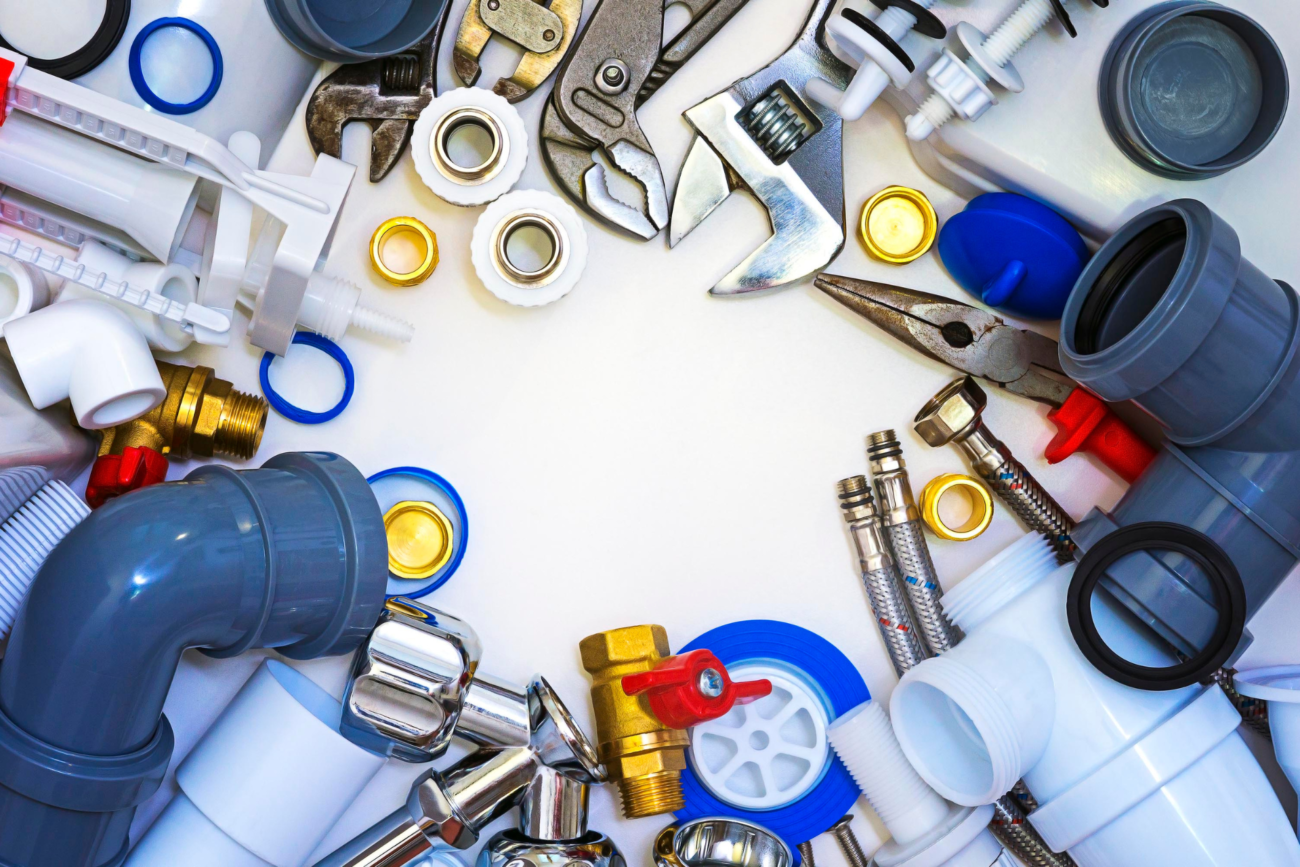
For many homeowners, tackling basic plumbing tasks is a rewarding and cost-effective way to maintain and improve their homes. Whether you’re fixing a leaky faucet, unclogging a drain, or installing a new fixture, having the right tools on hand is crucial to successfully completing any DIY plumbing project. This article will guide you through the essential plumbing tools that every DIY enthusiast should have in their toolkit. Armed with these tools, you can handle a wide range of plumbing challenges with confidence and ease.
Basic Plumbing Tools
Adjustable Wrench
An adjustable wrench is a versatile tool that is essential for any plumbing job. It is used to tighten or loosen nuts and bolts of various sizes. The adjustable feature allows you to use it on different fittings and fasteners, making it a must-have for any toolkit. Look for an adjustable wrench with a comfortable grip and a smooth adjustment mechanism for ease of use.
Pliers
Pliers are indispensable when it comes to gripping, twisting, and turning pipes and fittings. There are several types of pliers, but the most useful for plumbing are slip-joint pliers and tongue-and-groove pliers (often referred to as Channellocks). Slip-joint pliers are great for general purposes, while tongue-and-groove pliers are ideal for gripping larger pipes and fittings.
Pipe Wrench
A pipe wrench is a heavy-duty tool designed specifically for working with pipes. Its serrated jaws provide a strong grip on round objects, making it ideal for turning threaded pipes and fittings. A pipe wrench is essential for any plumbing job that involves tightening or loosening pipes. It’s a good idea to have both a small and a large pipe wrench to handle pipes of varying sizes.
Plumber’s Tape
Also known as Teflon tape, plumber’s tape is a thin white tape used to seal threaded pipe connections. It helps to prevent leaks by filling in the gaps between threads, creating a watertight seal. Plumber’s tape is easy to use; simply wrap it around the male threads of a fitting before connecting it to ensure a leak-free joint.
Plunger
A plunger is an essential tool for clearing clogs in toilets, sinks, and drains. The most common type is the cup plunger, which features a rubber cup attached to a wooden handle. For toilets, a flange plunger is more effective, as it has a narrow extension that fits into the toilet drain to create a better seal. A good plunger can save you time, money, and frustration by quickly resolving minor clogs.
Advanced Plumbing Tools
Basin Wrench
A basin wrench is a specialized tool used to tighten or loosen nuts on faucet connections beneath sinks. Its long shaft and pivoting jaw make it ideal for reaching into tight spaces that are difficult to access with other wrenches. If you’re planning to replace or repair a faucet, a basin wrench is indispensable.
Pipe Cutter
A pipe cutter is used to make clean, precise cuts in copper, PVC, or PEX pipes. There are two main types of pipe cutters: manual and ratcheting. Manual pipe cutters are more affordable and work well for small jobs, while ratcheting pipe cutters provide more leverage for cutting through thicker pipes with ease. A good pipe cutter ensures a smooth, even cut that reduces the risk of leaks.
Drain Snake
A drain snake, or plumber’s auger, is a flexible tool used to clear stubborn clogs in drains and pipes. It consists of a long, flexible cable with a corkscrew-like end that is inserted into the drain to break up and remove blockages. Drain snakes come in various lengths and sizes, so choose one that suits your needs. Electric drain snakes are available for larger or more stubborn clogs but may require additional skills to operate safely.
Hacksaw
A hacksaw is a versatile cutting tool used to cut through metal or plastic pipes, nuts, and bolts. Its fine-toothed blade ensures a clean cut, and the adjustable frame allows for different blade lengths. Make sure to use the appropriate blade for the material you’re cutting, and replace dull blades to maintain efficiency and safety.
Safety Equipment
Safety Glasses
Protecting your eyes is crucial when working on plumbing projects, as debris, chemicals, and water can pose a hazard. Safety glasses shield your eyes from potential injuries and should be worn at all times during any plumbing task. Choose a pair with clear lenses and a comfortable fit to ensure maximum protection and comfort.
Gloves
Sturdy work gloves protect your hands from sharp edges, hot surfaces, and harmful chemicals. They also provide a better grip on tools and materials, reducing the risk of accidents. Choose gloves made from durable materials such as leather or rubber, and make sure they fit well to allow for dexterity and ease of movement.
Respirator or Mask
When working with chemicals, such as drain cleaners or adhesives, or in poorly ventilated areas, a respirator or mask can protect your lungs from harmful fumes and particles. Choose a mask with the appropriate filtration level for the task at hand and ensure it fits snugly for effective protection.
Organizing Your Plumbing Toolkit
Having a well-organized plumbing toolkit can make your DIY projects more efficient and enjoyable. Consider investing in a sturdy toolbox or tool bag with compartments to keep your tools organized and easily accessible. Labeling compartments or using color-coded tools can also help you quickly locate the right tool for the job. Regularly inspect and maintain your tools to ensure they remain in good working condition.
Conclusion
Equipping yourself with the essential plumbing tools outlined in this article will empower you to tackle a wide range of DIY plumbing projects with confidence. From basic tools like adjustable wrenches and plungers to more advanced tools like basin wrenches and pipe cutters, having the right equipment on hand will save you time and money while ensuring successful results. Remember to prioritize safety by wearing protective gear and maintaining your tools in good condition. With the right tools and knowledge, you can become a proficient DIY plumber and keep your home’s plumbing system in top shape.
