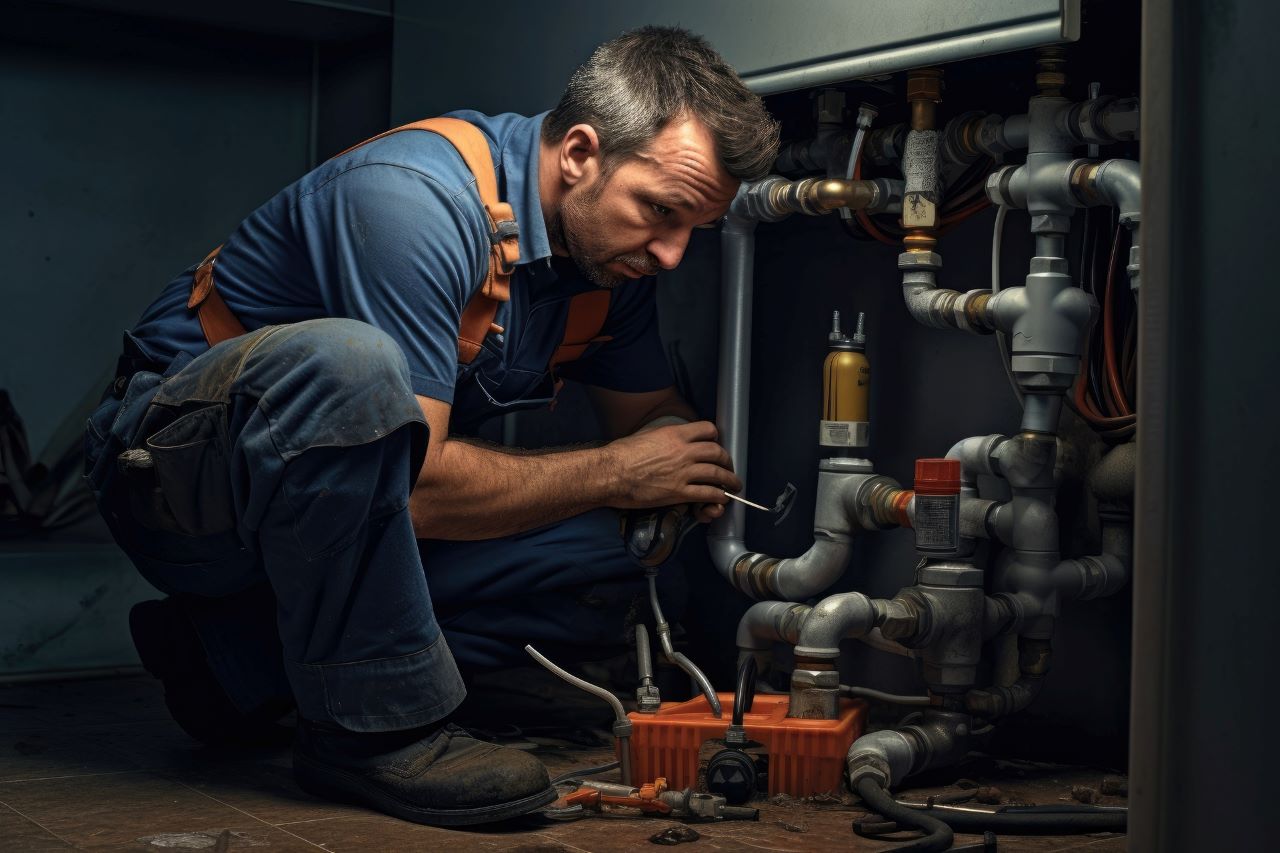
Plumbing systems are an essential part of any home, ensuring the efficient delivery of water for drinking, cooking, cleaning, and waste removal. However, like any other system, your home’s plumbing requires regular maintenance to function optimally. Preventive plumbing maintenance can save homeowners a significant amount of money by avoiding costly repairs and ensuring the longevity of the plumbing infrastructure. This article will provide you with essential preventive plumbing maintenance tips to help you maintain your home’s plumbing system effectively.
Regular Inspection of Pipes and Fixtures
One of the most fundamental preventive maintenance activities is the regular inspection of your home’s pipes and fixtures. Look for signs of leaks, corrosion, or damage, which might indicate a need for repairs or replacements. Pay particular attention to areas under sinks and around toilets, as these are common spots for leaks. Early detection of issues can prevent more extensive damage and higher repair costs in the future.
Checking for Leaks
Leaks are one of the most common plumbing issues and can lead to water damage and mold growth. Regularly check for leaks by examining visible pipes and using your senses – listen for the sound of dripping water and watch for puddles or dampness. For hidden leaks, monitor your water bill for unexplained increases, which might indicate a leak somewhere in the system.
Inspecting Faucets and Showerheads
Faucets and showerheads are high-use fixtures that can develop drips over time. Ensure these are tightly closed when not in use and periodically check for drips. If you find a leak, it often requires simple repairs like replacing a washer or O-ring.
Maintain Water Pressure
Maintaining the correct water pressure is crucial for the longevity of your plumbing system. Excessively high water pressure can cause damage to pipes and fixtures, while low pressure can indicate a blockage or leak. Use a pressure gauge to check your water pressure and ensure it remains within a safe range, typically between 40 to 60 psi.
Installing a Pressure Regulator
If your water pressure is consistently high, consider installing a pressure regulator. This device will help maintain a steady pressure level, reducing stress on your plumbing system and prolonging the life of your pipes and fixtures.
Drain Maintenance
Drains are susceptible to clogs from hair, grease, food particles, and other debris. Regular maintenance can help prevent these clogs from forming.
Using Drain Guards
One of the simplest ways to prevent clogs is by using drain guards in sinks, showers, and tubs. These inexpensive devices catch debris before it enters the plumbing system, making them a practical preventive measure.
Regular Cleaning
Regularly clean drains to remove buildup and prevent clogs. Use a mixture of vinegar and baking soda to naturally clean and deodorize your drains. Avoid chemical drain cleaners, as they can be harsh on pipes and the environment.
Water Heater Maintenance
Water heaters require regular maintenance to ensure they operate efficiently and last longer. Sediment buildup inside the tank can reduce efficiency and damage the unit.
Flushing the Water Heater
Annually flush your water heater to remove sediment buildup. This process involves draining the tank to clear out any accumulated sediment, which helps improve heating efficiency and extend the life of the heater.
Inspecting the Anode Rod
The anode rod is a crucial component that prevents tank corrosion. Check it annually and replace it if it’s significantly corroded. A well-maintained anode rod can significantly prolong the life of your water heater.
Toilet Maintenance
Toilets are another critical component of your plumbing system that require regular maintenance to function properly.
Checking for Leaks
Toilets can develop leaks, often noticeable by a continuously running toilet or water around the base. Replace the flapper or wax ring if necessary to fix leaks promptly.
Testing the Flush Mechanism
Ensure the flush mechanism is working correctly and doesn’t require excessive force. Adjust or replace components as necessary to ensure a smooth flush, which can help prevent clogs and save water.
Know the Location of Your Main Water Valve
In the event of a major leak or plumbing emergency, you should know the location of your main water valve and how to shut it off. This knowledge can prevent extensive water damage and give you time to contact a professional plumber for repairs.
Preventing Freezing Pipes
In colder climates, pipes can freeze and burst, causing significant water damage. Take steps to prevent pipe freezing during the winter months.
Insulating Pipes
Insulate pipes in unheated areas such as basements, attics, and crawl spaces. Pipe insulation is an inexpensive way to prevent freezing and protect your plumbing system.
Allowing Faucets to Drip
During extremely cold weather, allow faucets to drip slightly to prevent pressure from building up in the pipes. This simple trick can help avoid costly burst pipes.
Conclusion
Preventive plumbing maintenance is an essential part of homeownership, helping to ensure the longevity and efficiency of your plumbing system. By regularly inspecting your pipes and fixtures, maintaining water pressure, cleaning drains, and performing other routine maintenance tasks, you can prevent costly repairs and keep your plumbing system running smoothly. Remember, when in doubt, it’s always best to consult with a professional plumber to address complex issues and ensure your home’s plumbing system is in top condition.
