The bathroom is an essential part of any home, providing a space for personal hygiene and relaxation. However, without proper maintenance, bathroom plumbing can quickly become a source of frustration and costly repairs. From clogged drains to leaky faucets, plumbing issues can disrupt your daily routine and lead to significant water wastage. This article will provide essential tips to ensure your bathroom plumbing remains in optimal condition, helping you avoid unnecessary hassles and expenses.
Regular Inspection and Maintenance
Regular inspection and maintenance are crucial for preventing plumbing problems before they escalate. By routinely checking your bathroom plumbing, you can identify potential issues early and address them promptly.
Check for Leaks
Leaks are one of the most common plumbing problems in bathrooms. Regularly inspect all visible pipes, faucets, and connections for any signs of moisture or drips. Even a small leak can lead to water damage and increased utility bills over time. Repair any leaks immediately to prevent further complications.
Inspect the Toilet
Toilets are often the source of plumbing issues due to their frequent use. Check for any signs of leaks around the base of the toilet and ensure that it flushes properly. If your toilet runs continuously or has difficulty flushing, it may need a new flapper or fill valve. Addressing these issues promptly can save water and prevent more serious problems.
Examine Faucets and Showerheads
Faucets and showerheads are prone to mineral buildup, especially in areas with hard water. This can restrict water flow and reduce efficiency. Regularly clean these fixtures and replace any worn-out washers or seals to maintain optimal performance.
Preventive Measures
Taking preventive measures can significantly reduce the likelihood of plumbing problems. Simple actions can go a long way in maintaining your bathroom plumbing system.
Use Drain Strainers
Hair, soap scum, and other debris can easily clog bathroom drains. To prevent this, use drain strainers or guards in sinks, showers, and tubs. These simple devices catch debris before it can enter the drain, reducing the risk of blockages.
Avoid Chemical Drain Cleaners
While chemical drain cleaners can be effective for clearing clogs, they can also damage your pipes over time. The harsh chemicals can corrode pipes and create more significant issues in the long run. Instead, opt for natural or enzymatic drain cleaners, or use a plunger or plumber’s snake to clear blockages.
Insulate Pipes
Insulating your bathroom pipes can prevent them from freezing during cold weather, which can cause pipes to burst and lead to costly repairs. Foam pipe insulation is affordable and easy to install, providing a simple way to protect your plumbing system.
Emergency Preparedness
Despite your best efforts, plumbing emergencies can still occur. Being prepared can help minimize damage and ensure a quick resolution.
Know the Location of Shut-Off Valves
Familiarize yourself with the location of your bathroom’s shut-off valves. In the event of a major leak, shutting off the water supply quickly can prevent extensive damage. Ensure that everyone in your household knows where these valves are located and how to operate them.
Have Basic Plumbing Tools on Hand
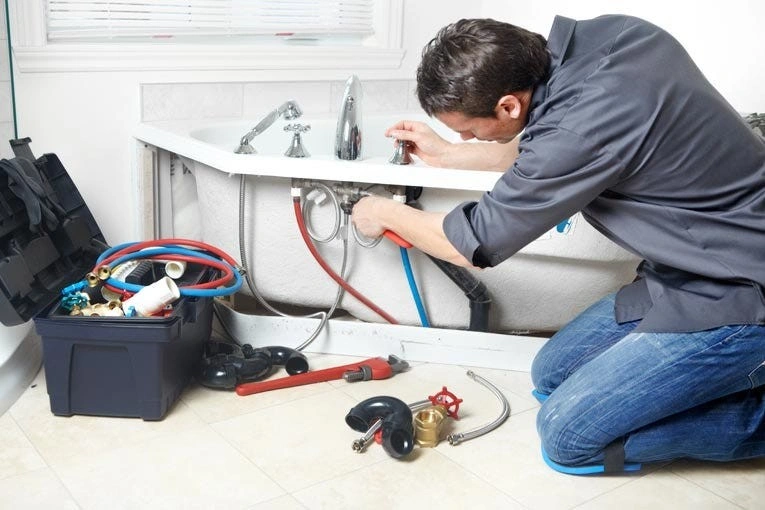
Keeping a few essential plumbing tools in your home can help you address minor issues without the need for a plumber. A plunger, adjustable wrench, and plumber’s tape are useful tools for handling common plumbing problems.
Professional Maintenance and Repairs
While many plumbing tasks can be handled by homeowners, some situations require professional expertise. Knowing when to call a plumber can save you time, money, and frustration.
Annual Professional Inspection
Consider scheduling an annual inspection with a licensed plumber to assess the condition of your bathroom plumbing. A professional can identify potential problems and perform necessary maintenance tasks, such as water heater servicing or pipe cleaning, to keep your system running smoothly.
Address Complex Issues Promptly
If you encounter a plumbing issue that seems beyond your capability, such as a persistent leak or a significant drop in water pressure, don’t hesitate to call a professional. Attempting to fix complex problems without the right knowledge and tools can lead to further damage and costly repairs.
Conclusion
Maintaining your bathroom plumbing system is essential for ensuring its longevity and efficiency. By conducting regular inspections, taking preventive measures, and knowing when to call a professional, you can keep your bathroom plumbing in optimal condition. These tips will help you avoid common plumbing problems, reduce water waste, and enjoy a well-functioning bathroom for years to come.
