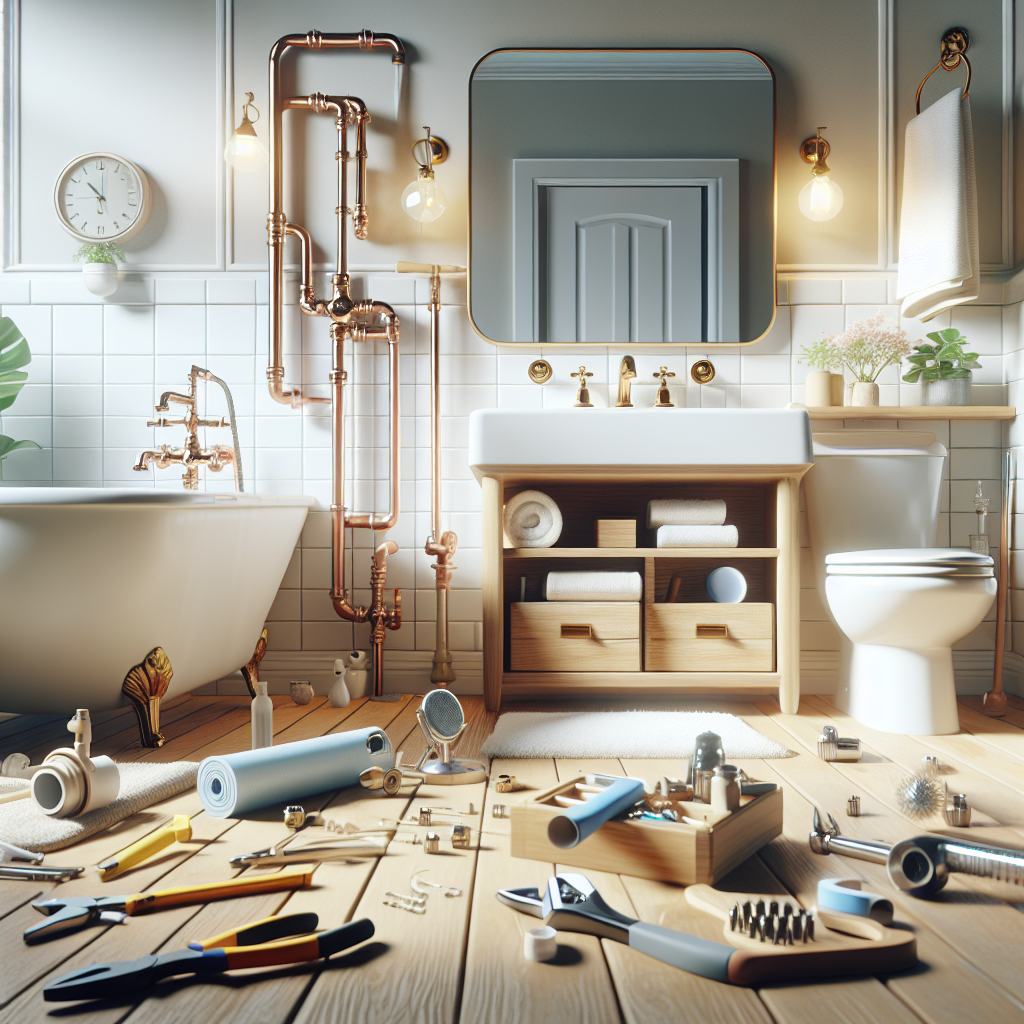
A master bathroom is a sanctuary within a home, offering a space to relax and rejuvenate. However, plumbing issues can quickly turn this haven into a source of stress. Fortunately, many common plumbing problems can be addressed with a bit of knowledge and some elbow grease. This article unveils expert tips for troubleshooting these issues, helping you maintain your master bathroom in optimal condition.
Understanding Your Plumbing System
Before diving into troubleshooting, it’s crucial to understand the basic components of your plumbing system. This includes the water supply lines, drainage system, and fixtures such as sinks, toilets, showers, and bathtubs. Each component plays a vital role in the overall functionality of your bathroom, and knowing how they work together can make troubleshooting much simpler.
Water Supply Lines
Water supply lines bring fresh water into your home. In a master bathroom, this typically includes hot and cold water lines connected to sinks, bathtubs, and showers. Understanding the layout and function of these lines can help you diagnose issues related to water pressure or temperature.
Drainage System
The drainage system is responsible for removing wastewater from your bathroom. This system includes pipes connected to your sink, shower, bathtub, and toilet. Proper drainage is essential to prevent backups and overflows.
Fixtures
Fixtures like faucets, showerheads, and toilets are the most visible components of your bathroom plumbing. Issues with these fixtures are often the easiest to spot and typically involve leaks, clogs, or malfunctions.
Common Plumbing Issues and Solutions
Armed with a basic understanding of your plumbing system, let’s explore some common plumbing issues in master bathrooms and how to troubleshoot them.
Low Water Pressure
Low water pressure can be frustrating, especially when it affects daily activities like showering or washing hands. This issue can result from several factors, including clogged aerators, leaks, or problems with the pressure regulator.
Solution: Start by checking the aerators on your faucets and showerheads. Mineral buildup can restrict water flow, so soak the aerators in vinegar to dissolve deposits. If the problem persists, inspect for leaks in visible pipes and check the water pressure regulator, adjusting it if necessary.
Clogged Drains
Clogged drains are a common nuisance in bathrooms, often caused by hair, soap scum, and other debris. Slow-draining water or complete blockages can be signs of a clogged drain.
Solution: Use a plunger to attempt to clear the clog. For stubborn blockages, a drain snake or auger can be highly effective. Regularly cleaning drains with a mixture of baking soda and vinegar can help prevent future clogs.
Running Toilets
A running toilet can waste a significant amount of water and increase your utility bills. This issue is usually due to a faulty flapper, float, or fill valve.
Solution: Start by inspecting the flapper for damage or wear. If it doesn’t seal properly, replace it. Check the float and adjust its position to ensure proper water level in the tank. Finally, inspect the fill valve and replace it if it’s malfunctioning.
Leaky Faucets
Leaky faucets are not only annoying but can also lead to increased water usage and higher bills. This problem typically stems from worn-out washers or seals.
Solution: Disassemble the faucet to access the washer or seal. Replace any worn or damaged components and reassemble the faucet. Ensure all connections are tight to prevent future leaks.
Water Temperature Issues
Inconsistent water temperature can make showering uncomfortable and difficult. This issue often relates to the water heater or mixing valve.
Solution: Check the water heater for proper functionality and temperature settings. If the water heater is functioning correctly, inspect the mixing valve in the shower for blockages or wear, replacing it if necessary.
Preventative Maintenance Tips
Regular maintenance is key to preventing plumbing issues and prolonging the life of your bathroom fixtures. Here are some expert tips for maintaining your master bathroom plumbing system:
Regular Inspection
Conduct regular inspections of all visible plumbing components. Look for signs of leaks, corrosion, or wear that could indicate potential problems.
Clean Drains Regularly
Prevent clogs by cleaning drains regularly. Use natural solutions like baking soda and vinegar to break down buildup and maintain clear pipes.
Monitor Water Pressure
Keep an eye on your water pressure to ensure it’s within a normal range. High pressure can strain pipes and fixtures, leading to damage over time.
Flush Water Heater
Sediment buildup can affect water heater performance. Flush the water heater annually to remove sediment and improve efficiency.
When to Call a Professional
While many plumbing issues can be resolved with DIY methods, some situations require professional expertise. Call a plumber if you encounter:
- Persistent leaks or clogs that DIY methods can’t resolve.
- Unusual noises or smells coming from pipes or drains.
- Frequent or severe fluctuations in water pressure or temperature.
- Visible water damage or mold growth caused by plumbing issues.
Conclusion
Master bathroom plumbing issues can be daunting, but with the right knowledge and tools, many problems can be resolved quickly and efficiently. By understanding your plumbing system, identifying common issues, and applying preventative maintenance, you can keep your master bathroom in top condition. Remember, when in doubt, don’t hesitate to call a professional plumber to ensure the longevity and functionality of your bathroom plumbing.
