Copper Pipes
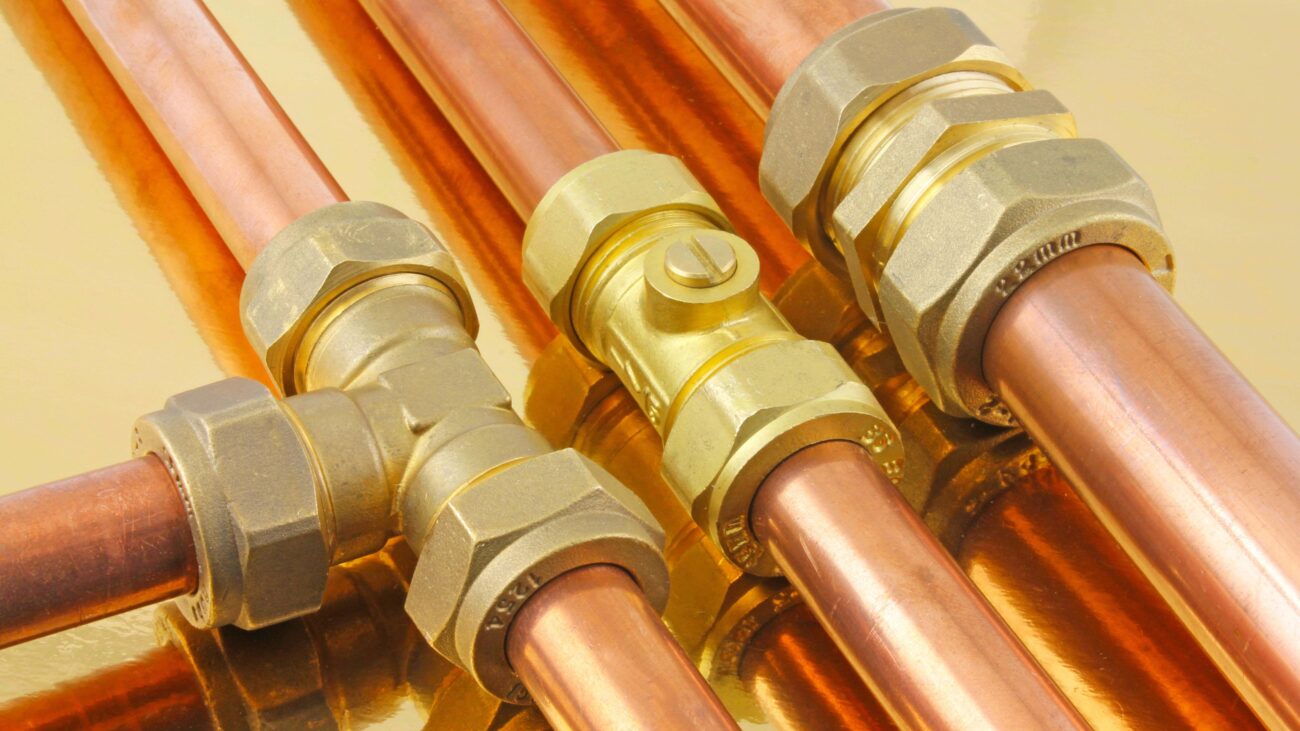
Copper pipes have been a staple in plumbing systems for decades due to their durability, reliability, and resistance to corrosion. Whether you’re a seasoned DIY enthusiast or a beginner looking to tackle your first plumbing project, understanding the basics of copper piping is crucial. This guide aims to equip you with the essential knowledge and skills needed to master copper pipe plumbing in your home.
Why Choose Copper Pipes?
Copper pipes are renowned for their longevity and ability to withstand extreme temperatures. Unlike other materials, copper does not degrade easily, making it an ideal choice for both hot and cold water supply lines. Additionally, copper’s natural resistance to bacteria makes it a safe option for potable water systems.
Types of Copper Pipes
Before diving into your DIY plumbing project, it’s important to understand the different types of copper pipes available:
Type K
Type K copper pipes have the thickest walls and are commonly used for underground installations, such as water mains. Their durability makes them suitable for high-pressure applications.
Type L
Type L pipes are slightly thinner than Type K and are often used for interior plumbing, including hot and cold water supply lines. They offer a good balance between strength and flexibility.
Type M
Type M copper pipes have the thinnest walls and are typically used for low-pressure applications, such as drainage lines. They are more affordable but less durable than Types K and L.
Essential Tools for Working with Copper Pipes
To successfully work with copper pipes, you’ll need a few essential tools:
Pipe Cutter
A pipe cutter is a must-have for cutting copper pipes to the desired length. It provides a clean, precise cut, ensuring a proper fit during installation.
Pipe Reamer
After cutting a copper pipe, it’s important to remove any burrs or sharp edges using a pipe reamer. This step ensures a smooth interior surface, promoting better water flow.
Propane Torch
For soldering copper pipes, a propane torch is essential. It heats the pipes to the necessary temperature, allowing the solder to flow and create a watertight seal.
Solder and Flux
Solder and flux work together to create a strong bond between copper pipes and fittings. Flux cleans and prepares the surfaces, while solder melts and flows into the joint.
Preparing Copper Pipes for Installation
Proper preparation of copper pipes is crucial for a successful installation. Follow these steps to ensure optimal results:
Measure and Cut
Begin by measuring the length of copper pipe needed for your project. Use a pipe cutter to make a clean cut, ensuring the pipe fits snugly within the designated space.
Deburr the Edges
Use a pipe reamer to remove any burrs or sharp edges from the cut end of the pipe. A smooth edge is essential for preventing leaks and promoting efficient water flow.
Clean the Surfaces
Use emery cloth or a wire brush to clean the exterior of the pipe and the interior of the fitting. Clean surfaces ensure a strong bond during the soldering process.
Soldering Copper Pipes
Soldering is a critical skill for DIY plumbing projects involving copper pipes. Follow these steps to achieve a secure, watertight joint:
Apply Flux
Apply a thin, even layer of flux to the cleaned surfaces of the pipe and fitting. Flux prevents oxidation and facilitates the flow of solder into the joint.
Assemble the Joint
Insert the pipe into the fitting, ensuring a snug fit. Twist the pipes slightly to distribute the flux evenly across the surfaces.
Heat the Joint
Use a propane torch to evenly heat the joint. Move the flame around the pipe and fitting to ensure uniform heating. The metal should be hot enough to melt the solder but not burn the flux.
Apply Solder
Touch the solder to the joint opposite the heat source. The solder should melt and flow into the joint, creating a secure bond. Be sure to fill the entire joint with solder for a watertight seal.
Cool and Clean
Allow the joint to cool naturally. Once cooled, wipe away any excess flux with a clean cloth. Inspect the joint for any gaps or imperfections that may compromise the seal.
Common Mistakes and How to Avoid Them
While working with copper pipes, it’s easy to make mistakes that can lead to leaks or other issues. Here are some common mistakes and tips on how to avoid them:
Overheating the Joint
Applying too much heat can burn the flux and prevent the solder from flowing properly. Avoid overheating by moving the torch constantly and watching for signs that the solder is melting.
Insufficient Cleaning
Failing to properly clean the pipe and fitting surfaces can hinder the bonding process. Ensure all surfaces are thoroughly cleaned before applying flux and solder.
Incorrect Soldering Technique
An improper soldering technique can result in weak joints. Practice applying solder to achieve a consistent, even flow into the joint.
Maintaining Copper Pipes
Proper maintenance is key to ensuring the longevity and efficiency of your copper plumbing system. Here are some tips for maintaining copper pipes:
Regular Inspections
Conduct regular inspections of your copper pipes to identify any signs of corrosion or leaks. Early detection can prevent costly repairs down the line.
Avoid Harsh Chemicals
Avoid using harsh chemicals or abrasive cleaning tools on copper pipes, as they can cause damage and reduce the lifespan of the pipes.
Monitor Water Quality
Ensure your water supply is free of contaminants that may corrode copper pipes over time. Installing a water filtration system can help maintain water quality.
Conclusion
Mastering copper pipe basics is a valuable skill for any DIY enthusiast. With the right tools, techniques, and knowledge, you can confidently tackle plumbing projects and maintain a reliable, efficient water supply system in your home. By following this guide, you’ll be well on your way to becoming proficient in working with copper pipes and ensuring the longevity of your plumbing system.
