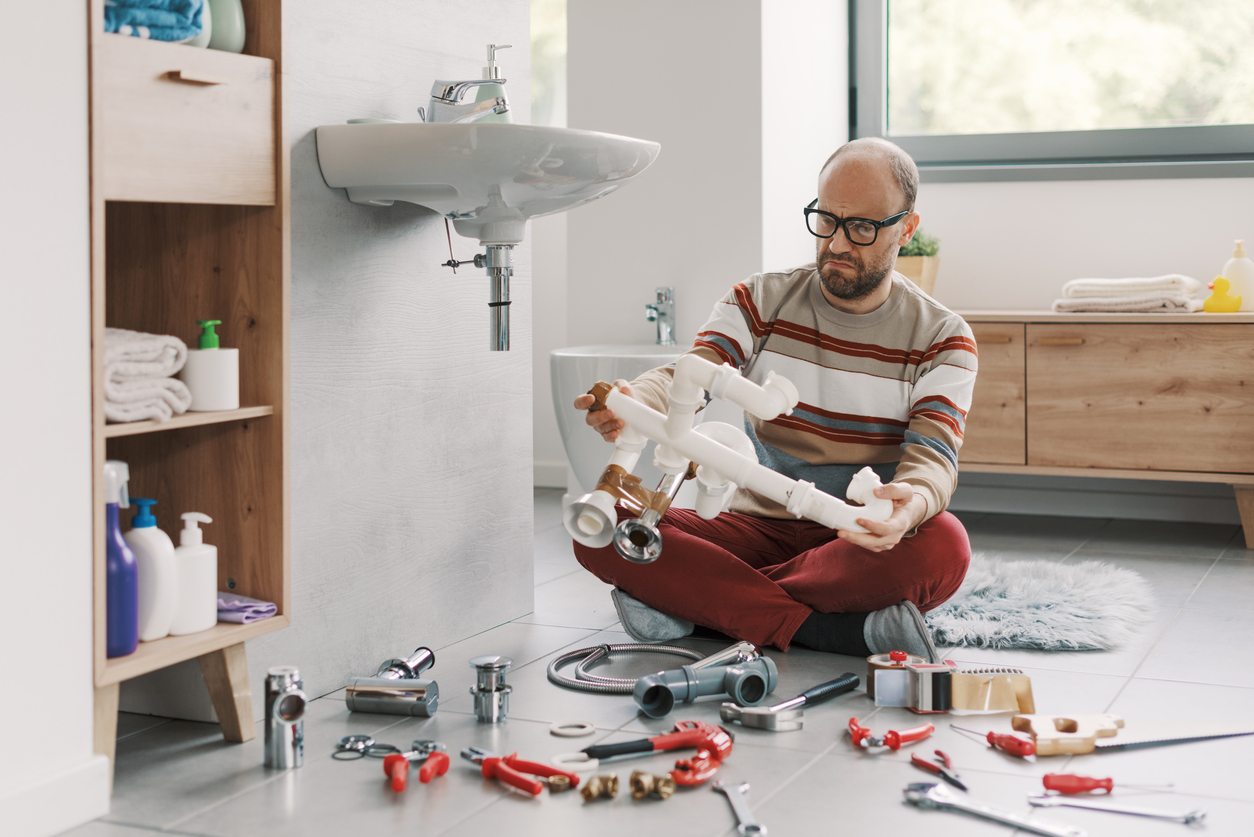
Embarking on a journey of mastering DIY plumbing can be both rewarding and practical. Not only does it save you the cost of hiring a professional, but it also empowers you to handle minor plumbing issues on your own, boosting your confidence and skill set. Whether you’re fixing a leaky faucet, unclogging a drain, or installing a new fixture, understanding the basics of plumbing is essential.
Understanding Your Home’s Plumbing System
Before diving into DIY plumbing projects, it’s crucial to have a basic understanding of your home’s plumbing system. This knowledge will help you troubleshoot issues effectively and prevent potential disasters.
The Plumbing Layout
Your home’s plumbing system comprises two subsystems: the water supply system and the drainage system. The water supply system brings fresh water into your home, while the drainage system removes wastewater. Familiarizing yourself with the layout of these systems, including the location of shut-off valves, is fundamental for any plumbing task.
Essential Plumbing Tools
Arming yourself with the right tools is a key step in mastering DIY plumbing. Here are some essential tools every beginner should have:
– **Pipe Wrench**: For gripping and turning pipes.
– **Adjustable Wrench**: For tightening and loosening nuts and bolts.
– **Plunger**: A staple for unclogging drains and toilets.
– **Pipe Cutter**: Ideal for cutting pipes to the required length.
– **Plumber’s Tape**: Essential for sealing pipe threads to prevent leaks.
– **Basin Wrench**: Perfect for accessing nuts in tight spaces, usually under sinks.
Common DIY Plumbing Tasks
Now that you have a grasp of your plumbing system and the necessary tools, let’s explore some common DIY plumbing tasks you can tackle as a beginner.
Fixing a Leaky Faucet
Leaky faucets are not only annoying but can also lead to higher water bills. Here’s a step-by-step guide to fixing a leaky faucet:
1. **Turn Off the Water Supply**: Locate the shut-off valve under the sink and turn it off.
2. **Remove the Faucet Handle**: Use a screwdriver to remove the handle, exposing the stem.
3. **Replace the Washer or O-Ring**: Check the washer or O-ring for damage and replace if necessary.
4. **Reassemble the Faucet**: Put the faucet back together and turn on the water supply to check for leaks.
Unclogging Drains
Clogged drains are a common issue faced by many homeowners. Here’s how to clear them:
1. **Use a Plunger**: For sinks and toilets, a plunger can often clear minor clogs.
2. **Try a Drain Snake**: For more stubborn clogs, use a drain snake to reach and remove the blockage.
3. **Homemade Drain Cleaner**: Mix baking soda and vinegar, pour it down the drain, and let it sit for 30 minutes before flushing with hot water.
Installing a New Showerhead
Upgrading your showerhead can enhance your shower experience and improve water efficiency:
1. **Remove the Old Showerhead**: Use an adjustable wrench to unscrew the old showerhead.
2. **Clean the Threads**: Remove any debris or old plumber’s tape from the threads.
3. **Apply Plumber’s Tape**: Wrap the threads with plumber’s tape to ensure a good seal.
4. **Attach the New Showerhead**: Screw on the new showerhead by hand, then tighten with a wrench.
Preventative Plumbing Maintenance
Preventative maintenance is key to avoiding major plumbing issues in the future. Here are some tips to keep your plumbing system in top shape:
Regular Inspections
Conduct regular inspections of your plumbing system to catch potential issues early. Look for signs of leaks, corrosion, or wear and tear on pipes and fixtures.
Water Heater Maintenance
Your water heater is an integral part of your plumbing system. Drain and flush it annually to remove sediment build-up and improve efficiency.
Pipe Insulation
Insulating pipes, especially those in cold areas of your home, can prevent them from freezing and bursting during winter months.
When to Call a Professional
While DIY plumbing can save you money, there are situations where it’s best to call a professional. If you encounter any of the following issues, seek professional help:
– **Major Leaks**: If you can’t stop a leak or if it involves a main water line, call a plumber.
– **Sewage Backups**: These can be hazardous and require professional handling.
– **Water Heater Problems**: If your water heater is malfunctioning, a professional can diagnose and fix the issue safely.
Conclusion
Mastering DIY plumbing is an invaluable skill for any homeowner. By understanding your plumbing system, equipping yourself with essential tools, and practicing common DIY tasks, you can tackle minor plumbing issues with confidence. Remember, preventative maintenance is crucial to keeping your system running smoothly. And when in doubt, don’t hesitate to call a professional. With these tips, you’re well on your way to becoming proficient in DIY plumbing.
